Motor Mouth: Fearless automotive predictions for 2023 and beyond

Motor Mouth: Fearless automotive predictions for 2023 and beyond

Elon Musk becoming president, Toyota introducing a hydrogen piston-powered GR Corolla, and supply-chain shortages easing are a little of what’s ahead in the next 12 months

Article content

As portensions of impending (automotive) apocalypse go, few match having the fate of the world’s most valuable automaker decided by Twitter poll. Forget that used-car prices are tanking faster than at any time in history, or that Canada is about to enact a ZEV mandate that outpaces even greener-than-thou California. Hell, even the doom and gloom of the impending recession pales compared with having the future of a US$350-billion company — that was worth a cool trillion just a coupla months ago! — decided by folk who get their news just 280 bytes at a time. It is the harbinger of a truly volatile — that should be read “completely bonkers” — 2023.

Advertisement 2

Article content

Elon Musk will either step down or be demoted

TSLA is down almost 75 per cent in the last 12 months, used Tesla prices are positively tanking, and the company is now resorting to the cash-in-the-trunk discounts it used to ridicule so. Things are so bad that long-time sycophants — say, for instance, Fred Lambert, editor-in-chief of Electrek, whose prior commitment to brown-nosing Lord Elon resulted in permanent ring-around-the-collar — have started questioning Tesla’s leadership.

Then there’s the whole Twitter thing, the sudden — or not-so-sudden — dive into conspiracy theories, and, perhaps most importantly, a political shift that seems to have alienated even the most cultish of true believers. That’s why the call for an experienced automotive hand to manage Tesla’s day-to-day affairs is getting louder.

Advertisement 3

Article content

Considering how quickly the stock price — Mr. Musk’s primary claim to fame amongst the moneyed who make such decisions — has dumped in the last 30 days, it can’t happen too soon. Oh, his leaving Tesla completely is probably not in the cards. Being demoted to Head Brainiac in Charge of Crazy Ideas, however, is not. Mr. Musk’s recent behaviour recently has revealed him to be mercurial, indecisive, and more than a tad juvenile, none of which are attributes that will get Tesla out of the abyss it now finds itself staring into.

Motor Mouth Probability Rating: Is Donald Trump going to say something stupid today?

Advertisement 4

Article content

Supply-chain issues and parts shortages will ease

Supply chains are being friend-shored, everyone under the sun is building new superchip factories, and, if the Wall Street Journal is to believed, the world is soon to be awash in semiconductors. Russia would appear to have done its worst in Ukraine, the Yanks seem determined to rebuild their automotive infrastructure, and, for the first time in memory, Canada has a true champion of its auto-parts industry in minister François-Philippe Champagne. So, look for the supply chain issues that have been stunting car sales to ease starting sometime this summer. Good news, right?

Unfortunately, said easing coincides with —
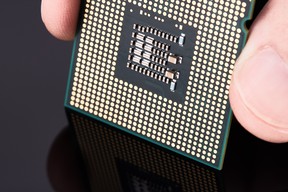
Processor chip
A close-up of a processor microchip Photo by Getty

The massive economic downturn due this spring

Advertisement 5

Article content

Pretty much everyone under the sun is calling for a recession this summer. Whether it’s the mythical “soft landing” we’re all hoping for, or the landing gear breaks on touchdown, the auto industry is going to suffer. North American sales, at least according to The Economist’s Automotive Outlook 2023, will be down some 2.4 per cent.

The upside for consumers is that there’s a decent chance that the new-car price pressures that have led to $35,000 Corollas will finally ease. But said easing of pricing will be significantly tempered by skyrocketing auto interest rates and skittish consumers. Look for auto dealers to start crying “poor” no later than June next year.

Motor Mouth Probability Rating: As certain as anything gets when you’re seeing the quickest rise in interest rates in decades.

Advertisement 6

Article content

Cash will once again be king

So, the era of cheap money is over. What many thought was a new Modern Monetary Theory turns out to have been but a temporary aberration. Oh, interest rates will (please, God) hopefully head lower some time in the second half of 2023, but the days of 0.25-per-cent Bank of Canada “policy” rates and 2.15-per-cent five-year variable-rate mortgages will soon be lore we tell our children when we regale them with tales of “the good old days.”

Used cars are displayed at a dealership on June 10, 2022 in New York City
Used cars are displayed at a dealership on June 10, 2022 in New York City Photo by Spencer Platt /Getty

With them will go eight-year auto loans, the last bastion of affordability for Canada’s working poor. Ditto subscription-based “mobility solutions.” And methinks those automakers looking to rent EV batteries in perpetuity — I’m looking at you, VinFast — are in for a rude awakening.

Advertisement 7

Article content

Indeed, according to Richr, American home buyers, wary of rising interest rates, are increasingly paying cash on the barrel for their new abode. Expect the same thing to happen in new-car sales, especially in the luxury-car segment, Cox Auto forecasting “All-Cash Deals Will Increase to Levels Not Seen in Decades.” That’s especially true in the luxury segment where, well, with the rich just getting richer, the top echelons of the automotive market are expected to grow faster than the bottom three-quarters.

Motor Mouth Probability Rating: You mean the rich aren’t like you and I?

Electric vehicles will continue to get more expensive

The cost of an EV electric battery will go up long before it goes down. It would not be impossible for a kilowatt-hour of lithium-ion to hit US$200 by 2026 or so before starting to slide back to its early-2022 low of US$130/kWh. Look for the spread between EVs and their gasoline-fuelled equivalents to widen, not narrow.

Advertisement 8

Article content

It’s a simple question of supply and demand. Raw materials account for some 50 per cent of the cost of an automotive battery and, as Motor Mouth has often noted, the International Energy Agency says we will need 40 times as much lithium and 25 times as much nickel as we currently produce to supply the EV batteries of the future.
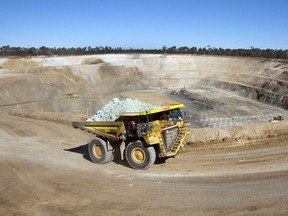
A dump truck in a nickel mine in Australia
A dump truck in a nickel mine in Australia Photo by Ron D’Raine /Bloomberg

Or, put another way, Benchmark Minerals Intelligence says we will need some 384 mines to dig up all the lithium, cobalt, nickel, and graphite needed to fill battery trays. All of which means we should not be looking for battery-powered vehicles to get cheaper in the near term. Indeed, recent EV pricing news has been of significant increases as automakers deal with rising costs and shareholder demands that EVs no longer be sold at a loss.

Advertisement 9

Article content

Motor Mouth Probability Rating: A whole bunch better than the chances of Tom Brady and Gisele Bündchen getting back together again.

ZEV subsidies are going to be with us for some time

First off, the federal gift cards to new-car purchaser are going to have to increase. Currently, the fed’s subvention to Canadian Consumer is worth CDN$5,000. By comparison, the U.S. will donate as much as US$7,500 of taxpayer monies toward the same purchase. That, at current exchange rates, is a little over twice what our Liberals have pledged.

And they don’t even have a ZEV mandate. Canada does. Oh, you might have missed it, the Liberals absolutely desperate to sneak their recent “Proposed Light Duty Zero-Emission Vehicle (ZEV) Regulations” under our radar. Not just any old ZEV quota either. No siree Bob, if the Liberals have their way, we’ll be the over-achievers in the force-feeding-EVs-down-consumer’s-throats competition, our (proposed) mandate the most aggressive electric-vehicle adoption rate in the Western Hemisphere. Zero-emissions vehicles will have to, for instance, make up fully 83 per cent of an automaker’s yearly sales by 2032. That’s an eight-fold increase in just eight years.

Advertisement 10

Article content

That’s not going to happen unless some serious money is thrown at consumers. My best guess is that EVs will have to be subvented until at least 2030. At today’s rates, that works out to be about CDN$5 billion a year. If anything, that’s going to be on the low side.

Motor Mouth Probability Rating: Have you seen Tampa Bay’s odds in the Super Bowl?

The cost of an EV electric battery will go up long before it goes down—it’s a simple question of supply and demand

Electric-vehicle sales will increase

With huge subsidies south of the border and the aforementioned ZEV mandate north of the border, sales of electric vehicles will continue to increase. Cox Automotive says EV sales will surpass one million in the U.S. in 2023, and we Canadians should see a commensurate increase. Worldwide, meanwhile, despite a slight slowing in the growth rate, EV sales will still increase by 25 per cent in 2023, says The Economist.

Advertisement 11

Article content

The limitations, at least locally, will be the diversity of support. Quebec, British Columbia, and some of the Maritime provinces, for instance, add their own provincial subsidies to the $5,000 from the federal government; Ontario and the West do not. The effect on battery-powered auto sales is as expected. Provinces that have doubled down on subvention — notably B.C. and Quebec — boast three and even four times the EV market share as the laggards. With no hint of a reversal of course — especially in Ford’s Ontario — eventually the pace of EV sales growth will diminish as sales in Canada’s heartland impede expansion.

Motor Mouth Probability Rating: As close to a sure thing as possible in these troubling economic times, but for how long?

Advertisement 12

Article content

China’s Nio will prove a bona fide competitor to Tesla’s hegemony
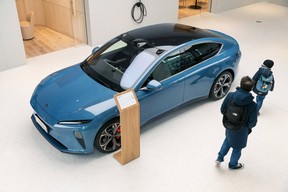
Nio Germany’s first Nio House opens in Berlin
Nio Germany’s first Nio House opens in Berlin Photo by Stefan Zeitz /Reuters

Not only is China’s premier manufacturer of electric automobiles expanding — it recently announced a serious bulking up of its presence in Europe — it’s looking to advance EV technology faster than Tesla. Or anyone else, for that matter.

Nio’s claim to fame so far has been battery-swapping stations. Taking a page out of Elon’s Musk’s playbook, the company isn’t waiting for an aftermarket supplier to build its infrastructure; it’s building its own. An ingenious proprietary system allows a quick swap of the entire battery, with no waiting for slow-charging to replenish the cells. So far, the Chinese market-leader has built over 1,000 such stations in China, there are a couple in Norway, and plans are afoot to expand the service to the rest of Europe.

Advertisement 13

Article content

Not content to revolutionize the battery-swapping biz, Nio has also released details on its first 500-kilowatt charging station. According to reports, the 500-kW 650-amp DC fast-charger can replenish a 100-kilowatt battery from 10 to 80 per cent in just 12 minutes.

Now, before you go thinking that your old Hyundai Kona is going to enjoy their flash-charging, there are some drawbacks to all this bonhomie. First, the battery-swapping stations only work with Nio batteries. Whether the company will expand it to service other brands is not known, but you can be darn sure if it does allow other marques to use its facilities, there’s going to be a significant charge.

Ditto for the 500-kilowatt charging stations. Current 350-kW chargers cost about $125,000 a unit, and Nio had to incorporate an extra-special super-duper liquid-cooling system so the charging cable could withstand the heat. Oh, and your EV needs to support an 800-volt architecture, still a rarity amongst electric vehicles. Nonetheless, Silicon Valley better watch out: the Chinese are coming.

Advertisement 14

Article content

Motor Mouth Probability Rating: Ain’t it about time someone other than Tesla is leading the charge?

Toyota will introduce a hydrogen-fuelled piston-powered Corolla

2023 GR Corolla Toyota
2023 Toyota GR Corolla Circuit Edition Photo by Toyota

Despite the headwinds — non-existent infrastructure, high cost of production, and nay-saying by the battery-electric crowd — 2023 might be the year that H2 makes a comeback.

It will, of course, have to be on the back of the long-haul trucking industry for whom batteries mean reduced payloads and excessive down time, both problems that hydrogen can easily solve. But with refuelling infrastructure for those 18-wheelers will come the feasibility of FCEV-powered automobiles like Hyundai’s Nexo and Toyota’s Mirai.

But it might not all be boring fuel cells. Toyota is making noises that it wants to put hydrogen-fuelled ICEs on the roads. In fact, it’s been racing a hydrogen-powered Corolla for the last two years, the car recently completing almost 500 laps at the 24 Hours of Fuji. The even better news? The team is run by Gazoo Racing, the same crazies that build the GR Yaris and Corolla. Can you imagine a turbocharged zero-emissions GR Corolla pumping nothing through its tailpipes but unmuffled internal-combustion and water vapour? It’s enough to give a man religion!

Advertisement 15

Article content

Motor Mouth Probability Rating: Oh, Lord, please make it so.

Net-zero synthetic fuels will take off
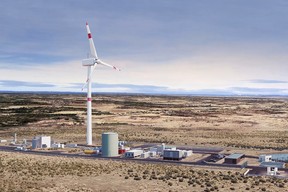
Porsche’s Haru Oni ‘green fuel’ production facility in Punta Arenas, Chile
Porsche’s Haru Oni ‘green fuel’ production facility in Punta Arenas, Chile Photo by Porsche

Porsche just opened its much-anticipated synthetic fuel plant in Chile. Essentially, it captures carbon dioxide from the air, electrolyzes water into hydrogen, and then combines the whole shebang into a hydrocarbon capable of powering internal-combustion engines. Since the CO2 the synthetic fuel emits was itself scrubbed from the atmosphere, it’s essentially a zero-sum game.

For vehicles for whom batteries simply don’t work — long-haul trucks, motorcycles, classic cars, and even airplanes — such synthetic fuels offer an escape hatch until hydrogen or some form of wireless-charging-highway system can expand the zero-emission portfolio. Look for sports cars (Porsches, of course) and racing series to be the first converts, but eventually all ICE-powered vehicles will run on something similar. This is the future of internal combustion.

Advertisement 16

Article content

Motor Mouth Probability Rating: As much as ecoweenies might hate piston-power, synthetic fuels are a better (short-term) bet than hydrogen as an alternative to battery power.

Elon Musk will become president of the United States

SpaceX owner and Tesla CEO Elon Musk poses on the red carpet of the Axel Springer Award 2020 on December 1, 2020 in Berlin, Germany.
SpaceX owner and Tesla CEO Elon Musk poses on the red carpet of the Axel Springer Award 2020 on December 1, 2020 in Berlin, Germany. Photo by Britta Pedersen /Getty

Hey, don’t blame me for this last one. This comes straight from the second-most-powerful man in Russia, former premier Dimitry Medvedev. As the person now in charge of Putin’s military-industrial complex — I’ve been waiting to use those words in a car column for eons — Medvedev’s worldview for the upcoming year is that France and Germany take up arms against one another, the United States becomes embroiled in a civil war, and Elon Musk is crowned president.

Now I gotta say that, considering the polemics south of the 49th, the possibility of an armed conflagration between political extremes is certainly not out of the question. And, hey, France and Germany have already done this dance twice before. So, who knows? I guess it could happen again.

But Elon as president? No. Nyet. No way in Hell. He’s been so busy alienating absolutely everyone — the left thanks to his Breitbart-believing Paul-Pelosi-attack conspiracy theories; and the right, well, because he thinks climate change is really a thing — these last few months that he’ll be lucky, as I said off the top, if he’s still the CEO of Tesla at the end of the year.

Motor Mouth Probability Rating: About as likely as positive reviews for Air Canada’s handling of holiday travel this year.

David Booth picture

David Booth

Canada’s leading automotive journalists with over 20+ years of experience in covering the industry

Comments

Postmedia is committed to maintaining a lively but civil forum for discussion and encourage all readers to share their views on our articles. Comments may take up to an hour for moderation before appearing on the site. We ask you to keep your comments relevant and respectful. We have enabled email notifications—you will now receive an email if you receive a reply to your comment, there is an update to a comment thread you follow or if a user you follow comments. Visit our Community Guidelines for more information and details on how to adjust your email settings.

Global Automotive Aftermarket Market Report to 2031

Global Automotive Aftermarket Market Report to 2031

DUBLIN, Dec. 29, 2022 /PRNewswire/ — The “Automotive Aftermarket By Application, By Distribution, By Vehicle Type, By Position: Global Opportunity Analysis and Industry Forecast, 2021-2031” report has been added to  ResearchAndMarkets.com’s offering.

Research and Markets Logo

Research and Markets Logo

According to this report the automotive aftermarket was valued at $438.70 billion in 2021, and is estimated to reach $828.2 billion by 2031, growing at a CAGR of 6.2{515baef3fee8ea94d67a98a2b336e0215adf67d225b0e21a4f5c9b13e8fbd502} from 2022 to 2031.

Aftermarket refers to the secondary market of the automotive industry, which is concerned with manufacturing, remanufacturing, distribution, and retailing. The aftermarket offers numerous choices to customers, where they can get their vehicles serviced, maintained, or customized. The aftermarket is gaining traction, owing to customer inclination toward installation of advanced components in vehicles to improve vehicle comfort and ensure safety while driving.

Moreover, the global automotive industry has experienced tremendous transformation in the past few years. The rise in inclination among customers leads to growth of aftermarket services, which is expected to eventually lead to growth of the market in the future.

Moreover, the COVID-19 pandemic is making the vehicle manufacturers focus on development of alternate sales channel with minimum contact. The consumer inclination towards online sales channel owing to its ease is anticipated to fortify the demand for automotive aftermarket up to a great degree during the forecast period.

The automotive aftermarket is segmented on the basis of application, distribution, vehicle type, position and region. By application, it is divided into infotainment and multimedia, engine component, tires and wheels, electrical products, seat and steering covers, and others. By distribution, it is divided into OEM and third party vendors. By vehicle type, it is segmented into two wheeler, passenger cars, and commercial vehicles. By position, it is divided into external accessories and internal accessories. By region, the market is analyzed across North America, Europe, Asia-Pacific, and LAMEA.

The growth drivers, restraints, and opportunities are explained in the report to better understand the market dynamics. This report further highlights key areas of investments. In addition, it includes Porter’s five forces analysis to understand competitive scenario of the industry and role of each stakeholder. The report features strategies adopted by key market players to maintain their foothold in the market. Furthermore, it highlights competitive landscape of key players to increase their market share and sustain intense competition in the industry.

The key players that operate in this market are Alpine Electronics, Inc., Auto Zone, Inc., Bridgestone Corporation, Continental AG, Denso Corporation, Ford Motor Company, Harman International (SAMSUNG ELECTRONICS), Hella KGaA Hueck & Co., Hyundai Mobis, Michelin, Osram Licht AG, Panasonic Corporation, Pioneer Corporation, Robert Bosch GmbH, The Goodyear Tire & Rubber Company, The Yokohama Rubber Co. Ltd., and Visteon Corporation

Key Benefits

  • This report provides a quantitative analysis of the market segments, current trends, estimations, and dynamics of the automotive aftermarket analysis from 2021 to 2031 to identify the prevailing automotive aftermarket opportunities.

  • The market research is offered along with information related to key drivers, restraints, and opportunities.

  • Porter’s five forces analysis highlights the potency of buyers and suppliers to enable stakeholders make profit-oriented business decisions and strengthen their supplier-buyer network.

  • In-depth analysis of the automotive aftermarket segmentation assists to determine the prevailing market opportunities.

  • Major countries in each region are mapped according to their revenue contribution to the global market.

  • Market player positioning facilitates benchmarking and provides a clear understanding of the present position of the market players.

  • The report includes the analysis of the regional as well as global automotive aftermarket trends, key players, market segments, application areas, and market growth strategies.

Key Topics Covered:

CHAPTER 1: INTRODUCTION

CHAPTER 2: EXECUTIVE SUMMARY

CHAPTER 3: MARKET OVERVIEW
3.1.Market definition and scope
3.2.Key findings
3.2.1.Top investment pockets
3.3.Porter’s five forces analysis
3.4.Top player positioning
3.5.Market dynamics
3.5.1.Drivers
3.5.2.Restraints
3.5.3.Opportunities
3.6.COVID-19 Impact Analysis on the market

CHAPTER 4: AUTOMOTIVE AFTERMARKET, BY APPLICATION
4.1 Overview
4.1.1 Market size and forecast
4.2 Infotainment and Multimedia
4.2.1 Key market trends, growth factors and opportunities
4.2.2 Market size and forecast, by region
4.2.3 Market analysis by country
4.3 Engine Component
4.3.1 Key market trends, growth factors and opportunities
4.3.2 Market size and forecast, by region
4.3.3 Market analysis by country
4.4 Tires and Wheels
4.4.1 Key market trends, growth factors and opportunities
4.4.2 Market size and forecast, by region
4.4.3 Market analysis by country
4.5 Electrical Products
4.5.1 Key market trends, growth factors and opportunities
4.5.2 Market size and forecast, by region
4.5.3 Market analysis by country
4.6 Seat and Steering Covers
4.6.1 Key market trends, growth factors and opportunities
4.6.2 Market size and forecast, by region
4.6.3 Market analysis by country
4.7 Others
4.7.1 Key market trends, growth factors and opportunities
4.7.2 Market size and forecast, by region
4.7.3 Market analysis by country

CHAPTER 5: AUTOMOTIVE AFTERMARKET, BY DISTRIBUTION
5.1 Overview
5.1.1 Market size and forecast
5.2 OEM
5.2.1 Key market trends, growth factors and opportunities
5.2.2 Market size and forecast, by region
5.2.3 Market analysis by country
5.3 Third Party Vendors
5.3.1 Key market trends, growth factors and opportunities
5.3.2 Market size and forecast, by region
5.3.3 Market analysis by country

CHAPTER 6: AUTOMOTIVE AFTERMARKET, BY VEHICLE TYPE
6.1 Overview
6.1.1 Market size and forecast
6.2 Two Wheeler
6.2.1 Key market trends, growth factors and opportunities
6.2.2 Market size and forecast, by region
6.2.3 Market analysis by country
6.3 Passenger Car
6.3.1 Key market trends, growth factors and opportunities
6.3.2 Market size and forecast, by region
6.3.3 Market analysis by country
6.4 Commercial Vehicle
6.4.1 Key market trends, growth factors and opportunities
6.4.2 Market size and forecast, by region
6.4.3 Market analysis by country

CHAPTER 7: AUTOMOTIVE AFTERMARKET, BY POSITION
7.1 Overview
7.1.1 Market size and forecast
7.2 External Accessories
7.2.1 Key market trends, growth factors and opportunities
7.2.2 Market size and forecast, by region
7.2.3 Market analysis by country
7.3 Internal Accessories
7.3.1 Key market trends, growth factors and opportunities
7.3.2 Market size and forecast, by region
7.3.3 Market analysis by country

CHAPTER 8: AUTOMOTIVE AFTERMARKET, BY REGION

CHAPTER 9: COMPANY LANDSCAPE
9.1. Introduction
9.2. Top winning strategies
9.3. Product Mapping of Top 10 Player
9.4. Competitive Dashboard
9.5. Competitive Heatmap
9.6. Key developments

CHAPTER 10: COMPANY PROFILES
10.1 Alpine Electronics
10.1.1 Company overview
10.1.2 Company snapshot
10.1.3 Operating business segments
10.1.4 Product portfolio
10.1.5 Business performance
10.1.6 Key strategic moves and developments
10.2 Bridgestone Corporation
10.2.1 Company overview
10.2.2 Company snapshot
10.2.3 Operating business segments
10.2.4 Product portfolio
10.2.5 Business performance
10.2.6 Key strategic moves and developments
10.3 Continental
10.3.1 Company overview
10.3.2 Company snapshot
10.3.3 Operating business segments
10.3.4 Product portfolio
10.3.5 Business performance
10.3.6 Key strategic moves and developments
10.4 DENSO Corporation
10.4.1 Company overview
10.4.2 Company snapshot
10.4.3 Operating business segments
10.4.4 Product portfolio
10.4.5 Business performance
10.4.6 Key strategic moves and developments
10.5 Ford Motor Company
10.5.1 Company overview
10.5.2 Company snapshot
10.5.3 Operating business segments
10.5.4 Product portfolio
10.5.5 Business performance
10.5.6 Key strategic moves and developments
10.6 HARMAN International
10.6.1 Company overview
10.6.2 Company snapshot
10.6.3 Operating business segments
10.6.4 Product portfolio
10.6.5 Business performance
10.6.6 Key strategic moves and developments
10.7 Hella KGaA Hueck & Co.
10.7.1 Company overview
10.7.2 Company snapshot
10.7.3 Operating business segments
10.7.4 Product portfolio
10.7.5 Business performance
10.7.6 Key strategic moves and developments
10.8 Hyundai Mobis
10.8.1 Company overview
10.8.2 Company snapshot
10.8.3 Operating business segments
10.8.4 Product portfolio
10.8.5 Business performance
10.8.6 Key strategic moves and developments
10.9 Michelin
10.9.1 Company overview
10.9.2 Company snapshot
10.9.3 Operating business segments
10.9.4 Product portfolio
10.9.5 Business performance
10.9.6 Key strategic moves and developments
10.10 Osram Licht AG
10.10.1 Company overview
10.10.2 Company snapshot
10.10.3 Operating business segments
10.10.4 Product portfolio
10.10.5 Business performance
10.10.6 Key strategic moves and developments
10.11 Panasonic Corporation
10.11.1 Company overview
10.11.2 Company snapshot
10.11.3 Operating business segments
10.11.4 Product portfolio
10.11.5 Business performance
10.11.6 Key strategic moves and developments
10.12 Pioneer Corporation
10.12.1 Company overview
10.12.2 Company snapshot
10.12.3 Operating business segments
10.12.4 Product portfolio
10.12.5 Business performance
10.12.6 Key strategic moves and developments
10.13 Robert Bosch GmbH
10.13.1 Company overview
10.13.2 Company snapshot
10.13.3 Operating business segments
10.13.4 Product portfolio
10.13.5 Business performance
10.13.6 Key strategic moves and developments
10.14 The Goodyear Tire & Rubber Company
10.14.1 Company overview
10.14.2 Company snapshot
10.14.3 Operating business segments
10.14.4 Product portfolio
10.14.5 Business performance
10.14.6 Key strategic moves and developments
10.15 The Yokohama Rubber Co. Ltd.
10.15.1 Company overview
10.15.2 Company snapshot
10.15.3 Operating business segments
10.15.4 Product portfolio
10.15.5 Business performance
10.15.6 Key strategic moves and developments
10.16 Visteon
10.16.1 Company overview
10.16.2 Company snapshot
10.16.3 Operating business segments
10.16.4 Product portfolio
10.16.5 Business performance
10.16.6 Key strategic moves and developments
10.17 Auto zone
10.17.1 Company overview
10.17.2 Company snapshot
10.17.3 Operating business segments
10.17.4 Product portfolio
10.17.5 Business performance
10.17.6 Key strategic moves and developments

For more information about this report visit https://www.researchandmarkets.com/r/yvdryd

Media Contact:

Research and Markets
Laura Wood, Senior Manager
press@researchandmarkets.com
 
For E.S.T Office Hours Call +1-917-300-0470
For U.S./CAN Toll Free Call +1-800-526-8630
For GMT Office Hours Call +353-1-416-8900
 
U.S. Fax: 646-607-1907
Fax (outside U.S.): +353-1-481-1716

Logo: https://mma.prnewswire.com/media/539438/Research_and_Markets_Logo.jpg

Cision

Cision

View original content:https://www.prnewswire.com/news-releases/global-automotive-aftermarket-market-report-to-2031—featuring-alpine-electronics-auto-zone-bridgestone-and-continental-among-others-301711091.html

SOURCE Research and Markets

Automotive trends that need to die in 2023

Automotive trends that need to die in 2023

The auto industry is rife with trends, from calling everything an ‘SUV’ to various design and technology features that proliferate across numerous brands and models.

We’ve also seen a number of trends off the back of the COVID-19 pandemic such as supply shortages, freight delays and rising costs of materials, and therefore product.

Here, the CarExpert team shares their top automotive trends that need to die out in 2023. Share yours with us in the comments!


Alborz Fallah

“Supply is limited”. No, it’s not… or it won’t be very soon

The semiconductor issue is largely resolved, interest rates are through the roof and forward orders for new cars will start seeing higher than normal cancellation rates, as the average consumer assesses their immediate need for a new car given the higher monthly repayments.

Meanwhile, the factories will need to churn out cars as they have fixed costs and producing more cars is the best way to stay profitable at scale.

Competing business priorities between the manufacturers at a factory level wanting to massively increase supply versus the local companies that want to keep supply artificially restricted to keep profit margins up – selling 10x at $2500 profit per unit is more profitable than 20x at $1000 profit – will be a big contention point for most OEMs going into 2023.

Paul Maric

Vegan interiors for the sake of vegan interiors

This year at the Polestar 3 reveal, I learned a lot about vegan interiors – a topic I never really cared about, especially given how much I like steak.

According to Polestar, most vegan interiors are produced from highly toxic chemicals that aim to mimic leather, but are actually significantly worse for the environment than cloth or fabric.
Polestar is now charging a healthy sum for full vegan interiors along with leather interiors, simply because they are passing on the cost of ethically sourcing these materials to the consumer.
Their leather is traceable and sourced using bi-products of the meat industry, while their vegan materials are sustainably produced to limit the use of toxic chemicals. So before you start feeling warm and fuzzy about your vegan interior, remember that not all materials are created equally.

Anthony Crawford

Buttons please, we’re still asking…

Perhaps its my age, but I’m still a big fan of a few dials and knobs, at least for climate-control and volume tuning. Nothing is more infuriating than having to drill down into several menus in order to lower or raise the air-con temperature in the car.

Worse still when you’re on a call and it’s getting hotter by the minute and you’ve forgotten which sub menu houses the climate control – it’s more frustrating than you can believe. 

It’s a genuine issue when carmakers choose to completely abandon actual switchgear in favour of multiple touchscreens, particularly if the interface isn’t all that intuitive and you’ve got multiple screen pages to access.

Scott Collie

Overly intrusive safety systems need to get in the bin

We’re well and truly in the semi-autonomous era. Even base city hatchbacks come with lane-keeping assist, adaptive cruise control, and speed limit warnings, and luxury carmakers have gone further with cars that’ll change lanes for themselves, or even park themselves with no-one behind the wheel.

To be clear, I’m not against these features… provided they’re well calibrated. Unfortunately, they often aren’t.

Hyundai and Kia’s latest cars, for example, beep at you every time you break what they think is the speed limit – even if they’re wrong, usually in a school zone outside of school hours.

If you’re doing 61km/h in a 60 zone, they beep. If you drop from 61 to 59km/h, and then drift back to 61km/h, they beep again. It’s utterly infuriating, and takes a minimum of three button/screen presses to turn off.

Even worse is the fact you can’t leave these systems off if they’re getting in the way, thanks in no small part to the automotive world’s helicopter parents at Euro NCAP.

Instead, you’re forced to take your eyes off the road (safety first!) to find whichever sub/sub/sub/sub/sub menu is responsible for the systems, and turn them off every single time you turn the car on.

Mike Costello

There are so many options.

Brands obsessing over tokenistic NFTs and metaverse reveals, continued over-reliance on user-unfriendly touchscreens over buttons, OTA software updates and connected services that cost too much, the slow death of cheap cars, horrendously complex controls to turn off driver-assist functions… I could go on.

But one that irks me is the trend of categorising and marketing seemingly every car as an ‘SUV’ to tap into rampant demand for these types of higher-riding vehicles, which now have more than 50 per cent market share in Australia.

Maybe it’s time we stopped calling the Suzuki Ignis, Nissan Juke, Kia Niro, Mazda MX-30, Hyundai Kona, Ford Puma and Toyota C-HR SUVs? Let’s face it: they’re design-led hatchbacks, through-and-through. Of what purpose is a catch-all with near-boundless parameters?

James Wong

Australia getting shafted with old powertrain tech

I’m well aware that our lagging emissions standards and limited access to new powertrain technologies really is a problem of our own making, but I want to see manufacturers take a stand in 2023.

I struggle to see how so many OEMs can be harping on about reducing emissions and electrification, but still be importing old Euro 5 powertrains with next to no fuel-saving technology for real-world use.

Emissions reduction and electrification needs to be approached in a holistic way, with numerous solutions gradually rolled out across various budgets and segments. Otherwise, choice is reserved the privileged few.

The CO2 as well as the petrol and diesel we’d collectively save every year if your cars turned off at the lights for example, or decoupled the transmission to coast down a hill, or shut off cylinder banks at a cruise, would all amount to a significant impact – tonnes and tonnes of CO2 would never be released into the atmosphere and the litres and litres of fuel saved over time could basically buy you one or two free tanks a year.

It’s not to say this is a new idea, either. Idle stop/start, cylinder deactivation and coasting functions have been around for years, but now these very basic technologies are being taken off Australian models in the interest of prioritising cleaner powertrains for other markets with emissions regulations, and partly due to consumers whinging about it.

Hopefully, with the new Federal Government’s planned introductions of emissions targets, fuel quality improvements and more incentives for plug-in vehicles, we might see some change.

While I’m at it, I’m also sick of manufacturers shunning interesting colour and trim palettes and bringing every new model here in four shades of grey with a sole black interior option. It’s boring, stop it.

William Stopford

Chimes that can’t be turned off

I hate repetitive sounds. It’s human nature to hate them, or why else would fire alarms blare the same tone over and over again?

So imagine my frustration when I got behind the wheel of an updated Hyundai Palisade – a genuinely good SUV – and encountered the most annoying feature of any vehicle I’ve driven all year: the speed alert.

It sounds the most annoying chime and to turn it off you have to go hunting through menus on the touchscreen. But that doesn’t kill it permanently, as once you restart the vehicle the overspeed alert comes back on.

There’s a chime when you exceed the posted speed limit, which is annoying but I can begrudgingly accept. But there’s a separate, higher-pitched chime when the vehicle detects a new speed limit. Dear god why? Doesn’t Hyundai realise I have eyes?

Hyundai says it’s due to a European-market requirement, but that is something that should be stripped out locally as far as I’m concerned. Even using a subtler chime or programming a more readily accessible button would mitigate some frustration – I think of some of the more annoying stop/start systems in some vehicles and how there’s a physical button to deactivate them.

Every time I got into that Palisade, I had to immediately turn it off, so I can’t imagine how actual owners feel. While I’m ranting, if a chime sounds in a car and it isn’t immediately clear what I’m actually being warned of, that’s poor design.

Jack Quick

NFTs

When I hear ‘NFT’ my eyes start to glaze over at a rapid pace.

I still don’t really see the connection between car companies and non-fungible tokens (NFTs), but seemingly at every new car launch there’s one now attached.

At first it was primarily the luxury brands such as Lamborghini and Rolls-Royce that were promoting their NFTs, but now consumer-level brands such as Hyundai are getting in the mix too.

I understand the word NFT has been a huge buzzword over the last two years and there’s a huge hype for these kinds of unique pieces of digital artwork.

I also get that in certain circumstances people can make a lot of money off these sought-after NFTS, but I’ve also heard a lot of people losing money too.

If you feel the opposite and think NFTs do in fact make sense in the automotive world, feel free to let me know in the comments.

Derek Fung

Incomprehensible alphanumeric naming schemes

When Volkswagen launched the 4.2m-long ID.3, the name kinda made sense. It was a Golf-sized electric hatch, adjust future model names accordingly, right? Maybe add an X somewhere for crossovers. Done!

Next came the 4.6m ID.4 crossover. Ummm, okay. So, the ID.5 should be a size larger? No, it’s a “coupe” version of the ID.4.

No, that role is filled by the ID.6, a 4.9m three-row crossover. The upcoming Passat-sized model may be the ID.Aero or ID.7. What? And, if Volkswagen ever decides to make a sedan or hatch to fill in the space between these vehicles, what will it be named?

Meanwhile, Polestar’s chronological naming system might make sense if the brand was aiming to be a niche manufacturer with a limited model range.

These brands are not the only offenders, but they sprang to my mind first because of their newness.


Have we missed anything? Tell us which trends you’d like to see die in 2023 below!

MORE: Latest Car News

If You’d Invested $3,000 in Rivian Automotive in 2021, This Is How Much You Would Have Today

If You’d Invested ,000 in Rivian Automotive in 2021, This Is How Much You Would Have Today

Rivian Automotive (RIVN -7.32{515baef3fee8ea94d67a98a2b336e0215adf67d225b0e21a4f5c9b13e8fbd502}) was one of the hottest IPOs of 2021. The maker of electric powered vehicles, SUVs, and vans went general public at $78 a share in November 2021, and it created a ton of buzz mainly because its prime investors ended up Amazon (AMZN -2.36{515baef3fee8ea94d67a98a2b336e0215adf67d225b0e21a4f5c9b13e8fbd502}) and Ford Motor Corporation (F -1.41{515baef3fee8ea94d67a98a2b336e0215adf67d225b0e21a4f5c9b13e8fbd502}). Rivian had also began mass-manufacturing its electric powered automobiles (EVs) in advance of its IPO, which created it look more trustworthy than other pre-generation EV makers that went community by merging with exclusive purpose acquisition organizations (SPACs).

Rivian’s stock opened at $106.75 on the first working day and skyrocketed to an all-time large of $172.01 just a 7 days afterwards. But these days it trades at about $20 a share. A $3,000 investment decision in its IPO would have blossomed to more than $6,600 ahead of withering to less than $800 currently. Let us see why Rivian’s inventory originally soared, why it plummeted, and in which it may be headed in a calendar year.

Rivian's R1 pickups at its plant in Normal, Illinois.

Picture source: Rivian.

Why the bulls to begin with liked Rivian

Rivian manufactures three styles of EVs: the R1T pickup truck, the R1S SUV, and Amazon’s electric shipping van (EDV). Its R1 motor vehicles start off at about $70,000 and can vacation above 300 miles on a solitary cost.

Amazon experienced also put an order of 100,000 EDVs in 2019, while Ford’s Lincoln division had been acquiring a new EV with Rivian prior to the pandemic. Rivian originally advised investors that it could produce 50,000 cars in 2022, and it anticipated to fulfill Amazon’s entire purchase by 2025. Its total amount of preorders for R1 motor vehicles (excluding Amazon’s initial EDV get) also surged from 71,000 in the 3rd quarter of 2021 to about 114,000 in the 3rd quarter of 2022.

Why the bears inevitably chased away the bulls

But soon right after Rivian’s general public debut, the cracks began to appear. Initially and foremost, the market’s untempered enthusiasm for Rivian boosted its industry cap to $153 billion — 85 periods the sales it truly is envisioned to deliver this calendar year — and designed it more precious than Ford and General Motors.

Rivian was far more than priced for perfection at that nosebleed valuation, so it could not afford to make any mistakes. But shortly immediately after its IPO, Ford abandoned its strategies to co-build new Lincoln EVs with Rivian, which had by now been suspended because the commence of the pandemic. This January, Amazon agreed to start off buying Stellantis‘ Ram ProMaster electrical vans in 2023. Amazon also postponed its target for getting the entire fleet of 100,000 Rivian EDVs from 2025 to 2030. Traders commonly interpreted all all those choices as a reduction of self-assurance in Rivian’s production capabilities.

Those fears had been verified this March when supply chain constraints forced Rivian to decrease its yearly production goal to 25,000 cars. In Might, Ford reduced its stake in Rivian from 12{515baef3fee8ea94d67a98a2b336e0215adf67d225b0e21a4f5c9b13e8fbd502} to less than 10{515baef3fee8ea94d67a98a2b336e0215adf67d225b0e21a4f5c9b13e8fbd502}, although Amazon maintained its 20{515baef3fee8ea94d67a98a2b336e0215adf67d225b0e21a4f5c9b13e8fbd502} stake and remained the automaker’s leading trader.

Rivian has created 14,317 vehicles in the first a few quarters of 2022, so it will will need to create around 10,000 cars in the fourth quarter to accomplish its total-yr concentrate on of 25,000 cars. Rivian believes it can accomplish that lofty goal, but a current recall (of practically all the vehicles it generated this year), allegations of safety violations, and the suspension of its EV joint undertaking with Mercedes-Benz to generate electric vans in Europe all elevated fresh new considerations about its generation abilities.

Soaring curiosity costs concluded off the stock (for now)

Rivian’s stock could possibly have experienced a softer landing if desire fees ended up very low and traders nevertheless experienced a nutritious appetite for speculative EV shares. Unfortunately, soaring desire prices around the past 12 months drove traders towards a lot more conservative investments and punished unprofitable organizations like Rivian, which racked up a staggering net loss of $5.03 billion in the 1st 9 months of 2022 while only making $995 million in income.

To make matters worse, Rivian’s stock nonetheless does not glance inexpensive right after its precipitous decrease. It’s still valued at about $17 billion, or 10 instances the sales it is really anticipated to deliver this yr (if it actually provides 25,000 cars). By comparison, Tesla trades at 5 instances this year’s profits.

I personally believe Rivian is much more promising than lots of of the SPAC-backed EV makers that flopped around the past calendar year. But till it properly ramps up its production and curiosity charges stabilize, it will keep on being out of favor in this challenging bear current market.

John Mackey, CEO of Total Foodstuff Sector, an Amazon subsidiary, is a member of The Motley Fool’s board of administrators. Leo Sun has positions in Amazon.com. The Motley Fool has positions in and endorses Amazon.com and Tesla. The Motley Fool has a disclosure coverage.

Top 10 automotive designs of 2022

Top 10 automotive designs of 2022

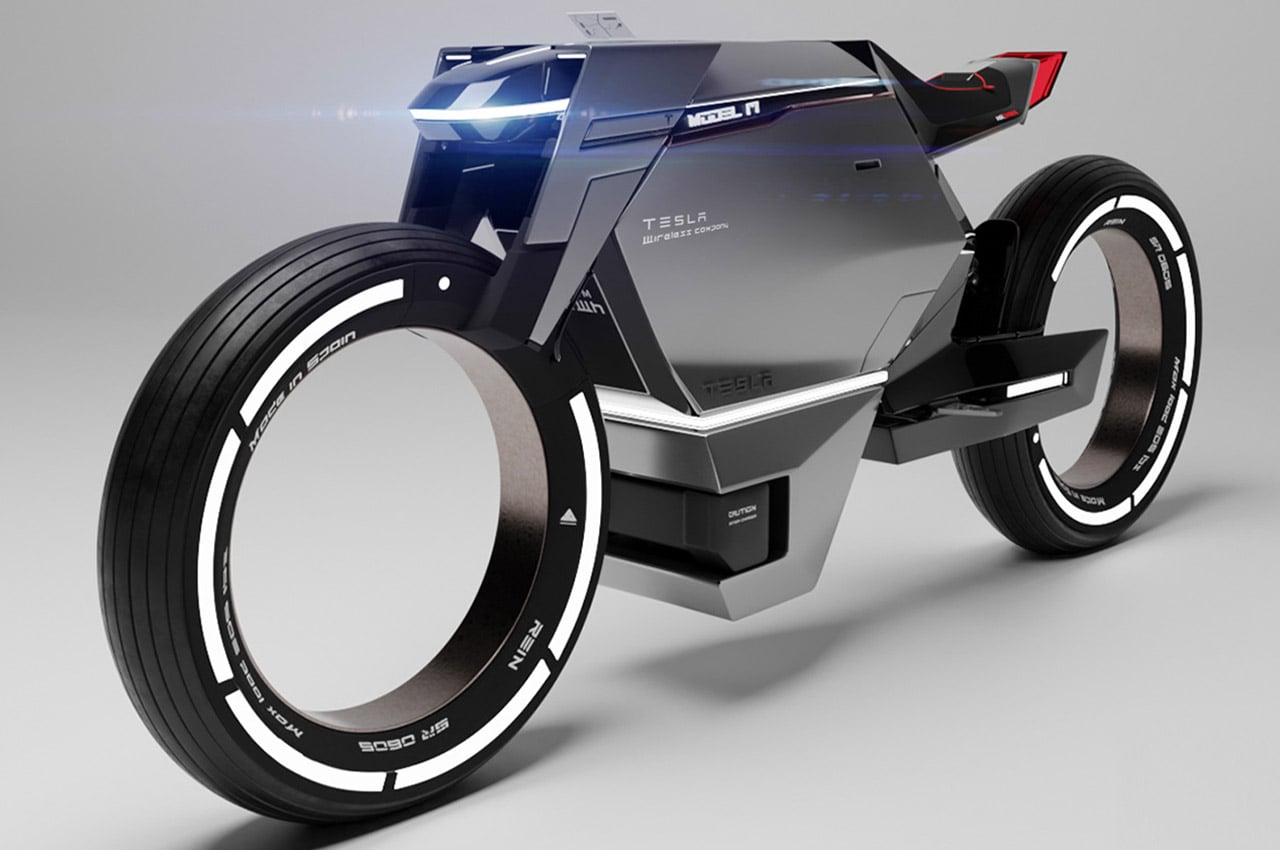
We’ve been seeing a torrential and enjoyable downpour of automotive patterns at Yanko Design in 2022. Each automotive was ground breaking, bringing to us one thing we experienced hardly ever seen nor seasoned in advance of. From killer velocity to dashing excellent looks, to impenetrable safety expectations, every single automotive we showcased at YD broke some structure barrier for us, and with any luck ,, they did the exact same for you as perfectly. As a result, we’ve curated a selection of automotive models that we truly feel were being the ideal of the large amount in 2022. From an intriguing Apple Auto 1 notion to a Cybertruck-motivated Tesla Product M bike – each and every of these drool-deserving cars is mercilessly pushing the boundaries of the automotive market. Automotive fanatics will be itching to get their palms on them, and take them for a spin on the streets!

1. Model M

Product M is designed trying to keep in brain the restricted urban areas, that’s why, the removable handlebars make entire sense. The digital kickstand makes the trip uncomplicated to park without the need of any hassles. When it arrives to adventure escapades, Tesla Model M has your desires coated. Correct wherever the gas tank of common bikes is, there is a removable bag with its very own battery that powers the lights and the multimedia program. The bag will come with its own start out/prevent technique that acts as an anti-theft system.

2. The Fordzilla Hypervan

Dubbed the Fordzilla Hypervan, this dune buggy derives its over-all inspiration from the reptilians. The matte black coloration it’s draped in is a notify-tale indicator of its Godzilla style and design impact. If you see that regular Batmobile affect, you are not on your own! The incidence of matte orange hues on the exterior and inside of highlight the sharp character of the ride. The battery on the rear indicates its rear-wheel-push origins, and hence, a much better equilibrium and managing. The Hypervan will get all glass doors that are gull-winged, and look totally lovely. These doors are an extension of the windshield and panoramic glass roof which provides a sense of airiness to the 4-wheeler.

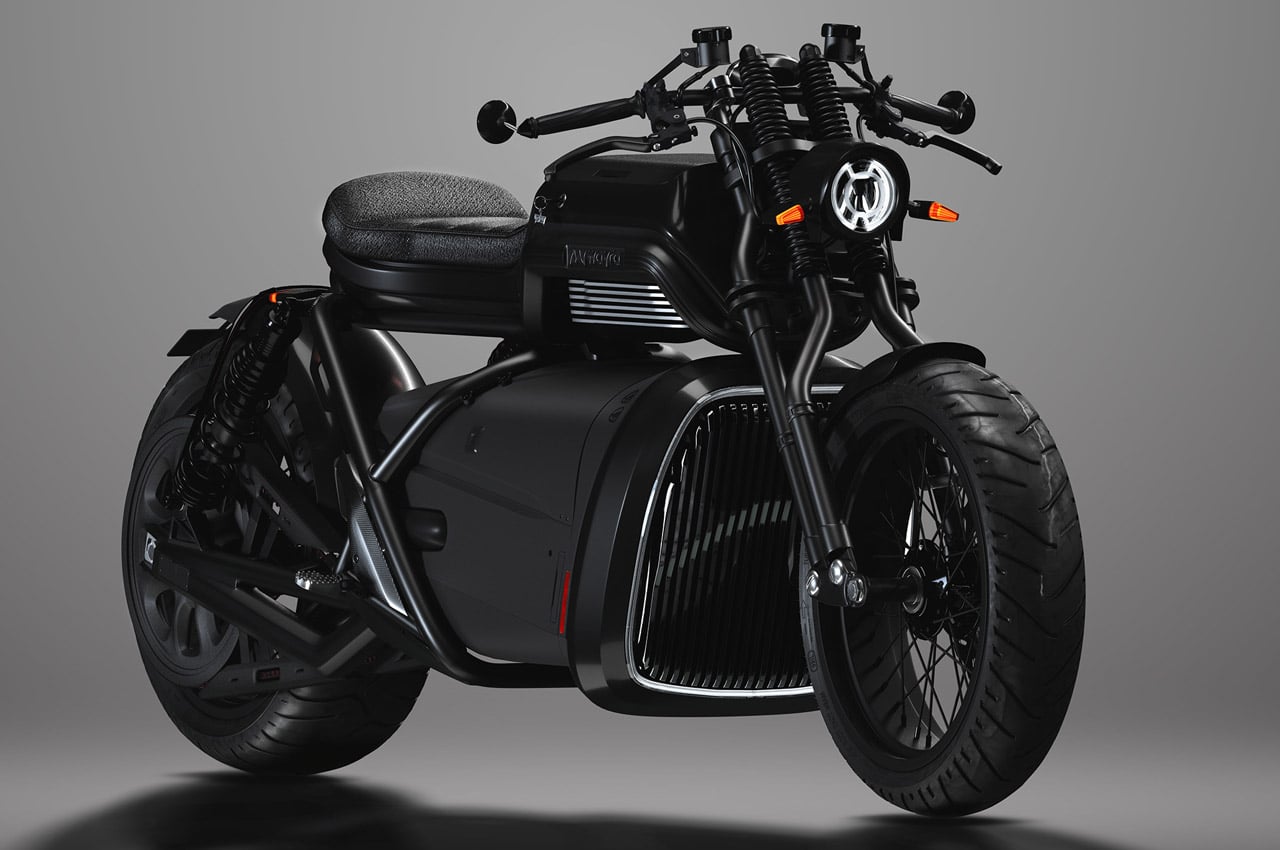
3. The WAYRA EV-03

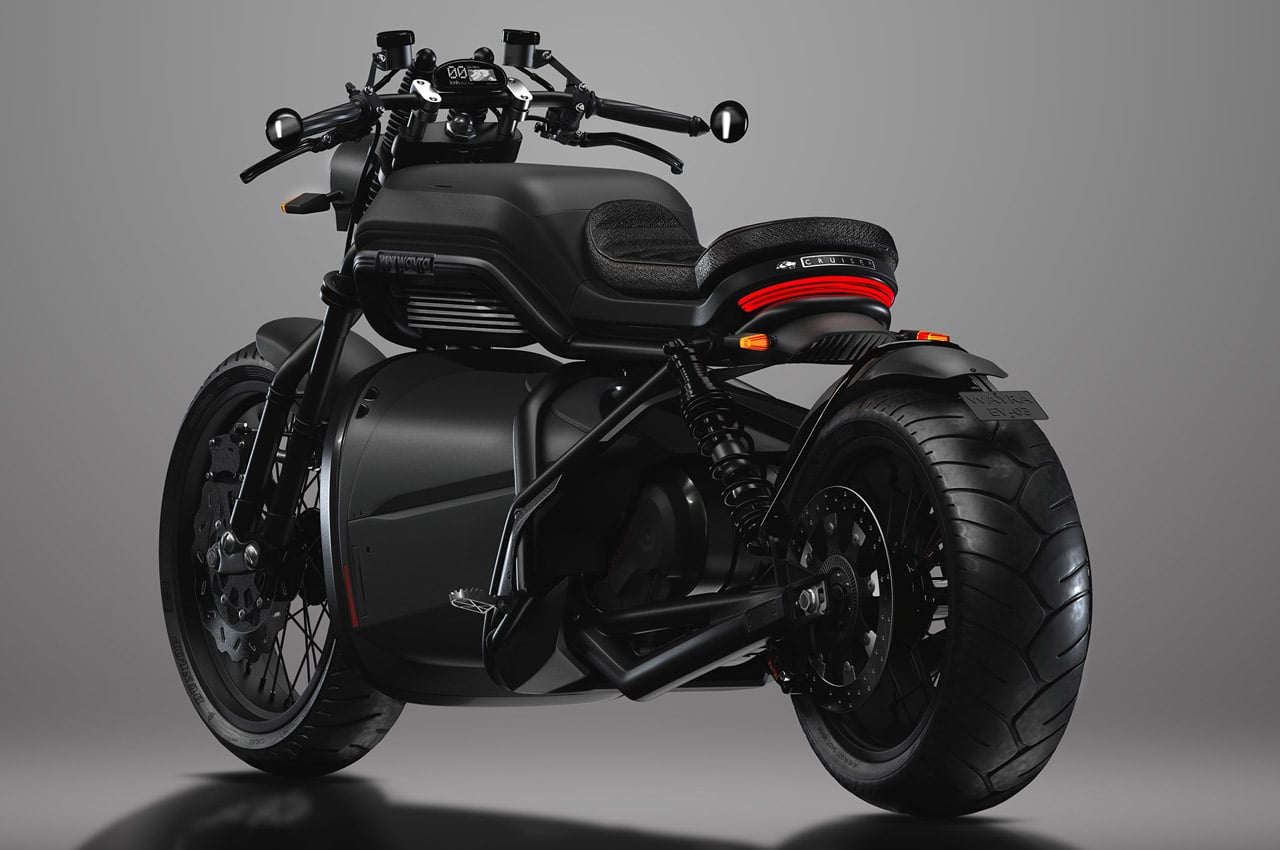
The WAYRA EV-03 electric powered cruiser motorbike is a 100 p.c no-gimmick concept that’ll be sure to every single type of rider – be it a cruiser enthusiast, functionality lover, or off-roading fanatic. WAYRA EV-03 is a bike substantial on persona, developed preserving in mind the heritage of fat-bikes and cruiser-size bikes, whilst also owning those negligible eye-catchy contemporary touches to generate visible attraction. The presence of café racer aesthetics can also not be denied owing to the low-slung rider positioning. The aspect of drag racing is evident courtesy of the stretched rear, but the high journey height presents off that grime bicycle racer vibe too.

4. The Muji Honda MS01 Electric Bicycle

Meet the Muji Honda MS01 electrical bike inspired by the MUJI H-Sort bicycle. The black and white theme on this 1 is a testomony to the MUJI’s mellowed-down styling – in point, the company’s creative director Kenya Hara did most of the style little bit of the bike himself. All the machines and electric power of the MS01 occur from the dwelling of Honda. It is a incredibly balanced collaboration, resulting in this minimalist two-wheeler great for metropolis rides and past.

5. Citroën La 2 Deuche Thought

The legendary 1945 Citroën 2CV frequently referred to as the umbrella on wheels experienced a fastened profile convertible bodywork and roll-back sunroof. To revive the nostalgic reminiscences of this financial system relatives car or truck, designer Jean Louis Bui has penned an electric thought in a modern-day avatar. Dubbed the Citroën La 2 Deuche Strategy, this cheeky mini automobile has a sense of airiness to it. Retro DNA of the vehicle is visible in the segment about the wheels, the headlights, and the accordion-like retracting rooftop which turns it into a convertible.

6. Yamaev’s Tricycle Scooter

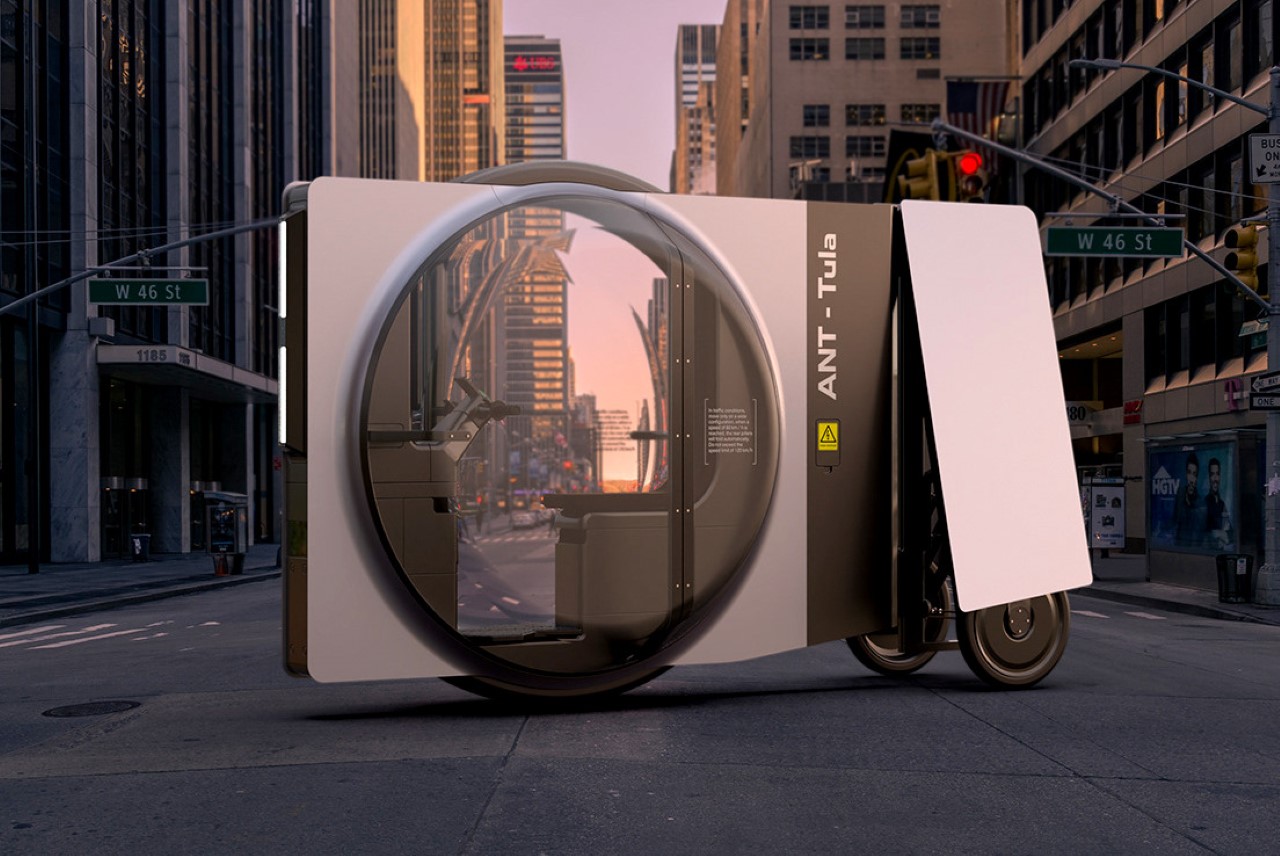
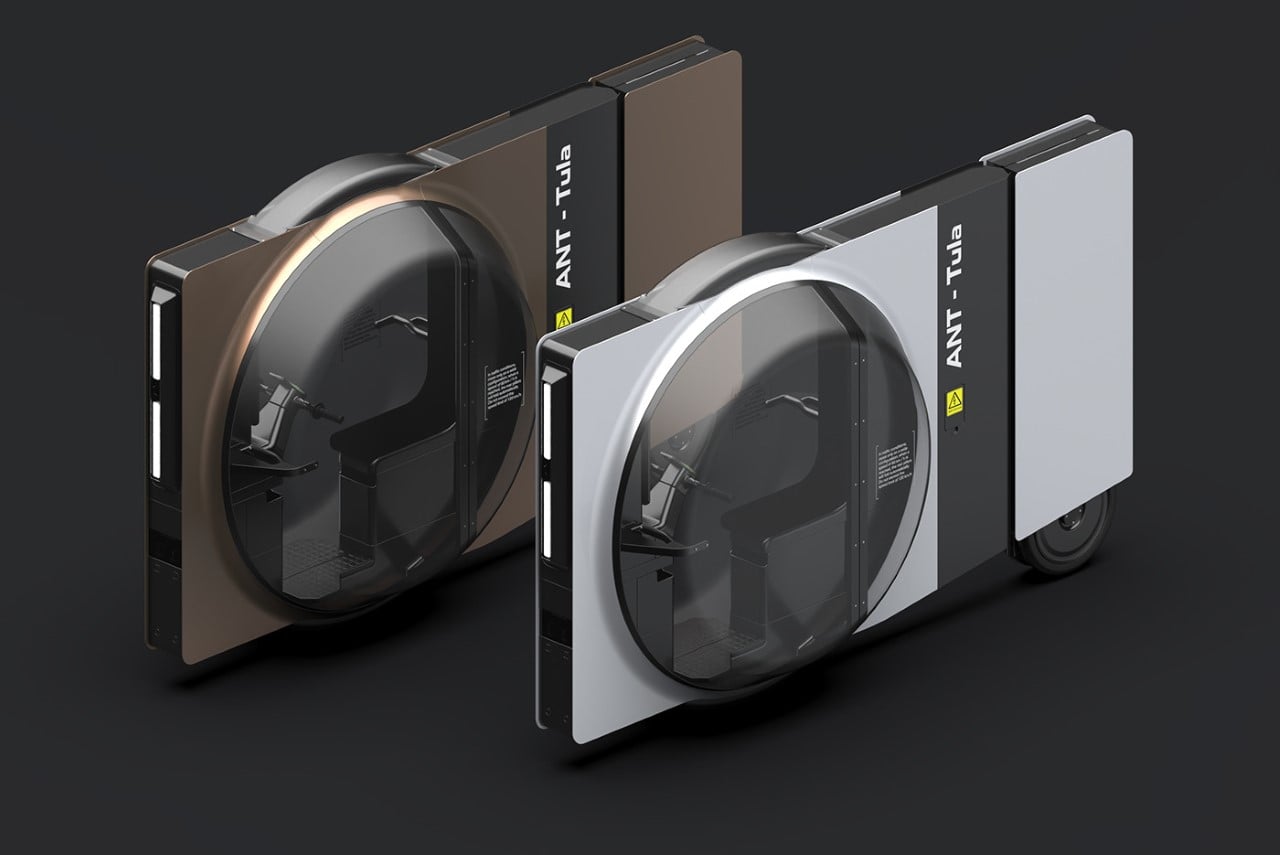
Built by Alexander Yamaev, this oddly eye-catching tricycle scooter concept will come with a rectangular side profile that slices as a result of the air the way a credit history card swipes by a payment machine, and a unique wheel set up that includes a enormous entrance wheel that surrounds the scooter’s clear bubble-formed cockpit, and two rear wheels that separate at reduced speeds for security and unite at higher speeds for maneuverability. The thoughts that Yamaev’s notion offers are definitely radical, with a design and style so groundbreakingly special it’ll make the Cybertruck seem outdated.

7. Volvo EV

Created as a weekend task by the designer, this sustainable vehicle design is shockingly rooted in a phone doodle inspiration. The normal electrical auto aesthetics are clear in the kind of a sharp, edgy design language. The hood of the automobile has a geometric pattern that gives it a sci-fi attractiveness and the rear has a ordinarily squarish persona to it. Right from the headlights, aspect profile to the taillights and the roof provider all have a definitive geometry to them. The designer has stored the widebody stance of this Volvo very upfront, suggesting its dominating road existence.

8. The Apple Auto 1 Idea

The Apple Car 1 concept is nonetheless another iteration of the Cupertino giant’s most expected job to date that is longing for fruition. The main concept of Apple’s notion car or truck gravitates all-around a minimalistic and classy kind. That Magic Mouse resemblance is deliberate, defining the flowing strains of the next-era automobile that’ll most likely be an progressed self-driving car. The Magic Mouse inspiration lends the Apple Car 1 a dropping motion to the entrance and rear for well balanced volume. Another inspiration comes from the Airpods Pro for a heightened feeling of electric power and dominance on the street – therefore the bulged-out wheel area for muscular profile and all round contrast.

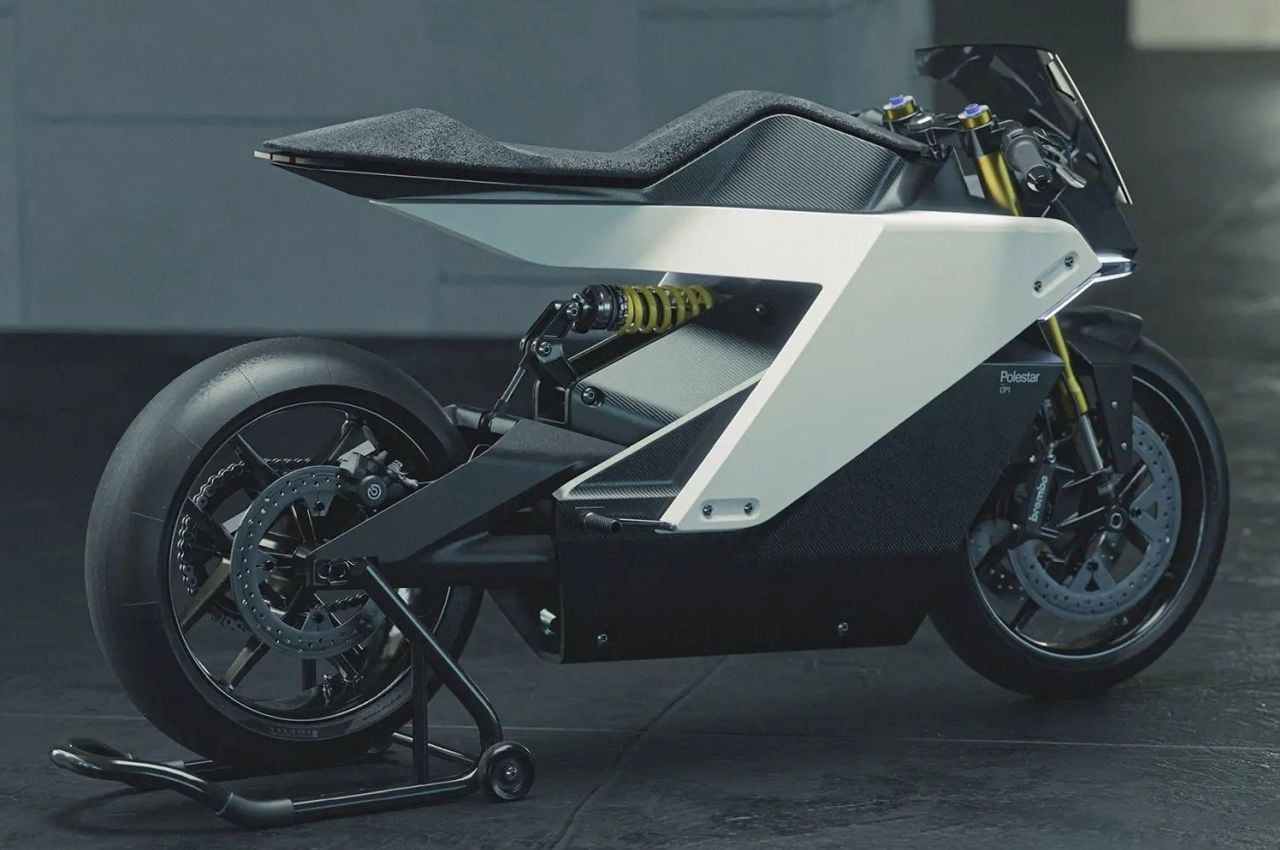
9. The Polestar CP1 Thought

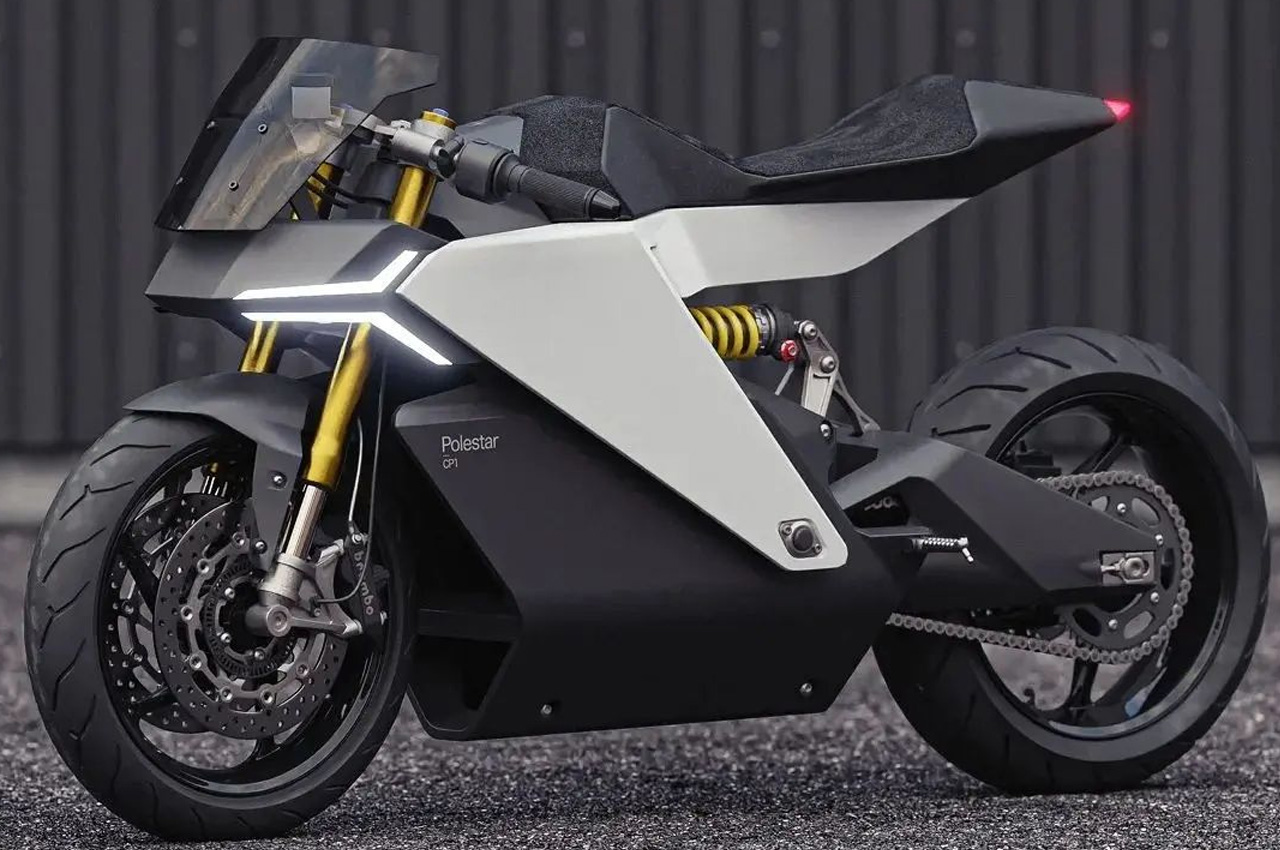
The Polestar CP1 Concept is a culmination of the future polestar bike with a general performance akin to recent-working day gas-powered bikes. The brainchild of Lukasw Wenzhöfer will take form as a likable practical edition of the Polestar athletics bicycle you’d see until some other designer envisions it better. Like the 4-wheeled counterparts, this Polestar EV bicycle has a extremely geometric, edgy style and design. The large riding place reinforces the ride’s efficiency position backed with the significant-grade suspension procedure. The concentrate of this structure is on ergonomics and features. So, individuals very good appears to be are not just for the eye sweet aspect, but instead for a described condition that can make comprehensive simple feeling.

10. The 2024 Ford Mustang

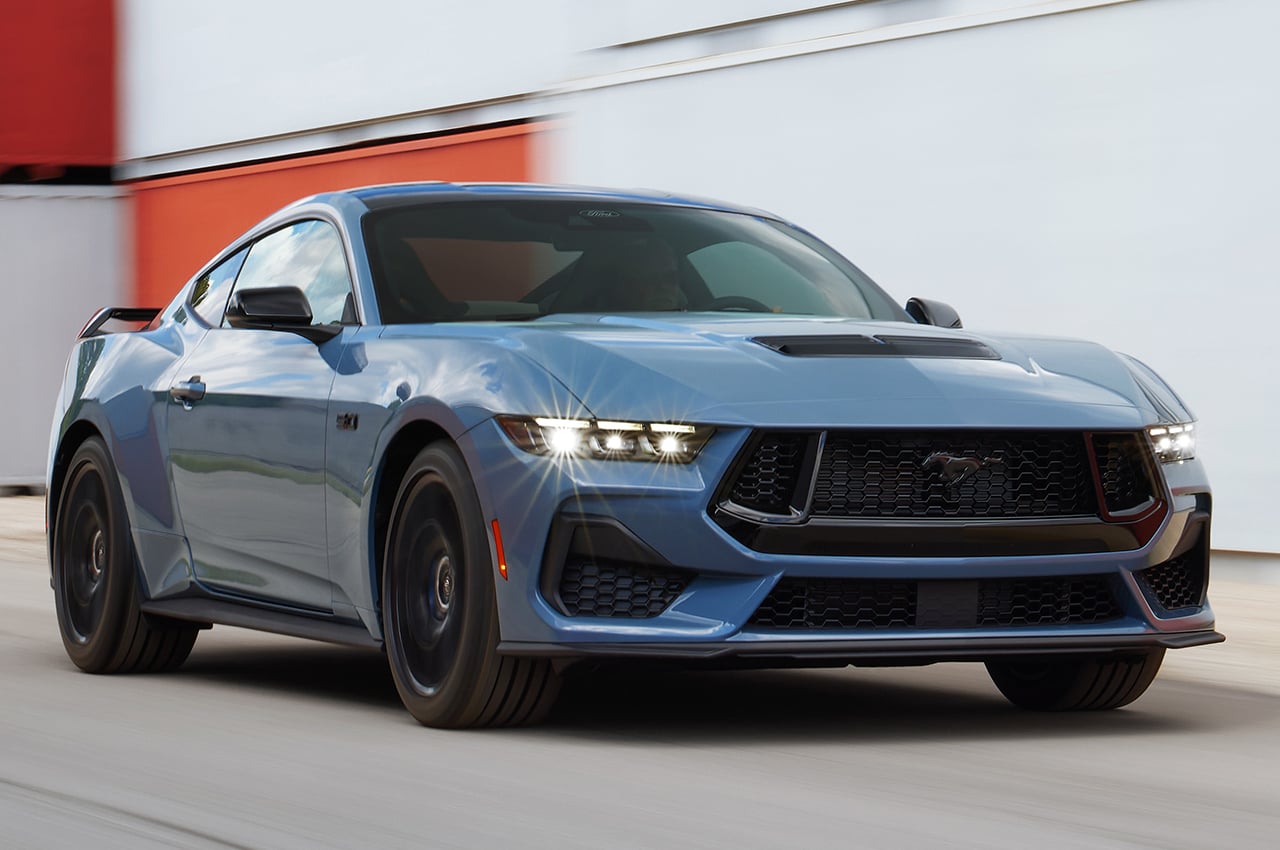
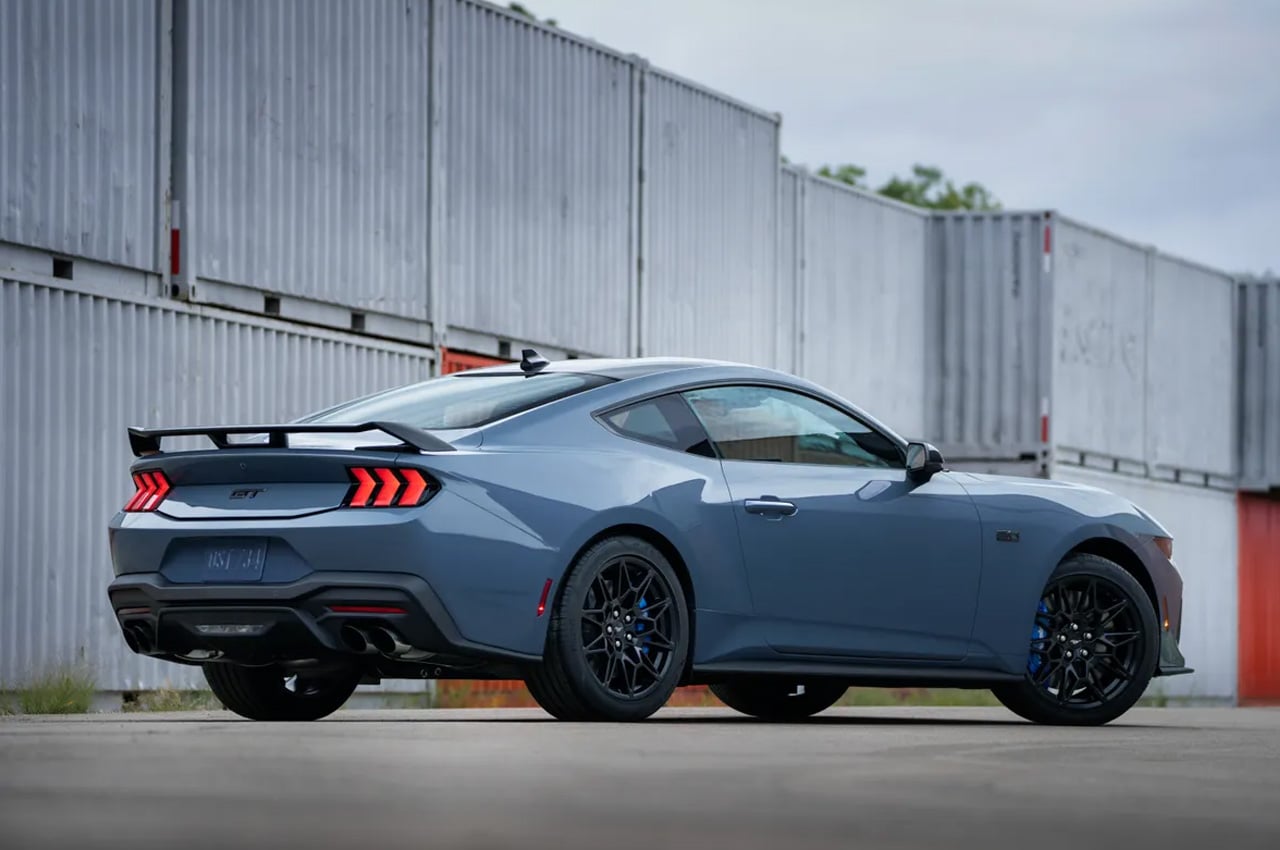
The 2024 Ford Mustang is here with a toned muscular glance (the four-wheeler has been doing the job out it appears to be) and tech-infused interiors. The bodywork is now edgier and loses some of the contours, confirming its attraction to the new era. Of training course, the 2024 Mustang retains the eye-catching proportions of its predecessors, and that is a significant relief. The front end is impressed by the original Mustang with a far more squarish aesthetic. That’s contrasted by the headlights with tri-bar LED features and the a few-bar taillights which are even a lot more popular now. The rear overhang is now shorter and the hips are somewhat wider for that sexual intercourse enchantment.

LMP Automotive under contract to sell 2 more dealerships as it continues plans for liquidation

LMP Automotive under contract to sell 2 more dealerships as it continues plans for liquidation

Expanding Morgan Automotive Group of Tampa, Fla., bought two Florida Kia dealerships from LMP Automotive Holdings Inc. previous 7 days and purchased a Florida Stellantis retail outlet in a separate, unrelated November transaction.

It marks the 3rd dealership sale announced by smaller car retailer LMP in three months. The Fort Lauderdale, Fla., firm claimed in a Monday information launch that it is below agreement to sell two extra dealerships and is promoting its two remaining franchised merchants.

The deal for Kia of Cape Coral and Kia of Port Charlotte shut on Dec. 15, in accordance to Morgan Automotive CEO Brett Morgan. The dealerships’ names continue being, he stated.

“That was variety of 3rd time’s the charm attempting to receive all those shops for the reason that we bid on them when Fuccillo [Automotive Group] was advertising,” Brett Morgan told Automotive Information, referring to when LMP acquired the dealerships in March 2021. And he mentioned his team was intrigued when LMP brought the Kia suppliers to sector this year.

LMP was set to sell the two Kia Florida dealerships and four other West Virginia merchants to Atlantic Coast Automotive Team. On the other hand, in October, LMP said that deal experienced been terminated by the customer.

“We had been delighted to be ready to have a further option to get people two dealerships,” Morgan stated of the Kia stores. “We love Kia and appreciate those people two marketplaces.”

The acquisition adds to Morgan Automotive’s footprint in Southwest Florida. “It truly is a developing sector in Florida,” Brett Morgan reported.

The Kia dealership acquisitions are the hottest invest in by Morgan Automotive in a busy 12 months.

Final thirty day period, the group purchased Tallahassee Dodge-Chrysler-Jeep-Ram, which also bought Fiat autos. Brett Morgan reported it marks his group’s first retail outlet in Tallahassee, Florida’s funds.

Morgan Automotive purchased the retail store on Nov. 11 from vendor Ken Marks, Brett Morgan mentioned. The dealership was renamed Tallahassee Chrysler-Dodge-Jeep-Ram-Fiat.

The Tallahassee acquisition was the initially considering the fact that August when Morgan Automotive bought 3 dealerships in Sarasota, Fla. In June, Morgan Automotive acquired Ford of Clermont and offered its Genesis of Fort Myers dealership, the two in Florida. In Might, Morgan Automotive purchased Fuccillo Kia of Clermont, furthermore two domestic-branded dealerships in Tampa.

Morgan Automotive does not have any other acquisitions underneath contract, even though Brett Morgan indicated he expects his team will be in the hunt for extra in 2023.

“We are even now a really acquisitive organization,” he claimed. “The actuality is it will almost certainly seem a lot like this yr and the yr prior. But tough to participate in crystal ball. If the right chances are out there, we are going to do as considerably as we have the capability to get.”

Brett Morgan mentioned the team continues to be bullish on Florida, the only condition it has dealerships in.

“We’re not seeking wherever else,” Brett Morgan reported of other states. “But we are open-minded individuals.”

Morgan Automotive now has 61 franchised dealerships. The team wound down operations of a utilised-automobile retailer in Lake Metropolis, Fla., this month, Brett Morgan extra.

Morgan Automotive ranks No. 8 on Automotive News‘ listing of the leading 150 dealership teams based mostly in the U.S., retailing 60,951 new cars in 2021.