
EXPLAINER: How Does COVID-19 Affect the Heart? | Health News

EXPLAINER: How Does COVID-19 Affect the Heart? | Health News

The evidence is clear: COVID-19 infection is risky for the heart.

Nearly three years into the pandemic, study after study has shown that while COVID-19 initially sparked concerns about the lungs, attention is overdue for the heart.

“I think we need to start conceptualizing and thinking of COVID as a risk factor for heart disease,” says Ziyad Al-Aly, a clinical epidemiologist at Washington University in St. Louis.

It’s an important trend to understand as more than 100 million Americans have had COVID-19 – a number that continues to grow each day with no signs of ceasing.

A recent analysis from the American Heart Association found that deaths related to heart disease rose significantly during 2020, the first year of the pandemic. The number of Americans who died from cardiovascular disease jumped from 874,613 deaths in 2019 to 928,741 in 2020 – topping the previous high of 910,000 recorded in 2003.

Perhaps more notable was that the age-adjusted mortality rate, which accounts for changes in the number of older adults in the population from year to year, increased in 2020 for the first time in a decade.

“COVID-19 has both direct and indirect impacts on cardiovascular health,” Michelle Albert, the American Heart Association’s volunteer president, said in a statement. “As we learned, the virus is associated with new clotting and inflammation. We also know that many people who had new or existing heart disease and stroke symptoms were reluctant to seek medical care, particularly in the early days of the pandemic.”

The Week in Cartoons July 18-22

The pattern has been documented by other groups as well. The Smidt Heart Institute at Cedars-Sinai found in an analysis that deaths from heart attacks rose significantly during COVID-19 surges. The trend was prominent across all age groups but most significant among individuals ages 25-44, which is an age group that is not typically considered at high risk for a heart attack.

“There is something very different about how this virus affects the cardiac risks,” Susan Cheng of the Smidt Heart Institute said in a statement about the study. “The difference is likely due to a combination of stress and inflammation, arising from predisposing factors and the way this virus biologically interacts with the cardiovascular system.”

Another recent study out of the United Kingdom found that individuals infected with COVID-19 had a greater likelihood of several cardiovascular conditions compared with uninfected participants in both the short term and long term, including myocardial infarction, coronary heart disease, heart failure and deep vein thrombosis. The authors suggested that the findings mean that COVID-19 patients should be monitored for at least a year after recovery from infection to diagnose cardiovascular problems.

COVID-19 can affect the heart even if a person’s coronavirus infection is mild. Research from Al-Aly that was published last year found that individuals who were reinfected were twice as likely to die and three times more likely to be hospitalized than those who were infected once. They were also three times more likely to suffer from heart problems.

“However we sliced it with weighted analyses by age and race and sex and prior medical conditions, the risk was everywhere, meaning it really almost did not spare anyone,” Al-Aly says.

Government estimates show that the majority of the U.S. has been infected with the coronavirus. It’s significantly higher than the official number given that infections can be asymptomatic and the results from at-home tests aren’t automatically reported. The high number means more attention needs to shift to those who are getting infected a second, third or fourth time as many experts believe COVID-19 will continue circulating for years to come.

“Reinfection is more and more becoming the norm because most of the people in the U.S. have had it at least once,” Al-Aly says.

That’s why he plans to continue the study to look beyond the one-year mark. He hypothesizes that at some point – he suggests maybe the fifth, sixth or seventh COVID-19 infection – any infection after that point will possibly be just like a cold.

“We expect that ultimately, the risk maybe will flatten with time,” Al-Aly says.

Research on COVID-19’s effect on the heart is expanding, but researchers agree that more attention is needed. A preprint study published on medRxiv last month performed a systematic review of more than 100 studies examining COVID-19 and long-term cardiac symptoms. The high-quality studies that they identified estimated 4{515baef3fee8ea94d67a98a2b336e0215adf67d225b0e21a4f5c9b13e8fbd502} of COVID-19 survivors reported chest pain and nearly 3{515baef3fee8ea94d67a98a2b336e0215adf67d225b0e21a4f5c9b13e8fbd502} reported heart arrhythmia. The authors emphasized that while those percentages seem small, they equate to a lot of people.

“Accumulating evidence shows that long-term cardiac symptoms of COVID-19 are common and can last for months and even beyond one year,” authors wrote in the study.

It’s rare for COVID-19 to directly infect the heart muscle. The virus typically causes issues in other parts of the body that can cause heart damage.

“Even if the virus is not specifically impacting your heart, it could be impacting your lungs or another organ that’s requiring the heart now to work harder to compensate for that,” says Jayne Morgan, a cardiologist and the executive director of health and community education at Piedmont Healthcare in Atlanta.

Much attention has specifically been paid to myocarditis – a condition in which the heart becomes inflamed that is typically a response to a viral infection. Inflammation of the heart can reduce its ability to pump blood to the rest of the body. Most cases are self-resolving and go away within two weeks. But the rare cases that last longer than two weeks are considered chronic and can significantly weaken the heart, leading to heart failure and death.

“When we talk about myocarditis, it can be very, very serious or it can be self limiting,” Morgan says. “So it’s almost the same game of Russian roulette that you’re playing with getting COVID. You can get a very mild form or you can die from it. You just take the risk, so getting multiple infections and getting reinfected and reinfected only increases your risk of finally getting the bullet in the chamber.”

Myocarditis has also been a frequent topic among COVID-19 vaccine skeptics, who have seized on a link between the mRNA shots from Pfizer and Moderna and myocarditis. Recently, skeptics were quick to incorrectly blame the collapse of Buffalo Bills safety Damar Hamlin on the vaccine as he suffered cardiac arrest during a game in January.

And in Florida, the surgeon general last year recommended against the use of mRNA COVID-19 vaccines in men ages 18-39, saying that the “benefit of vaccination is likely outweighed by this abnormally high risk of cardiac-related death among men in this age group.” The decision was slammed by many health officials.

A study out of England last year found that people infected with COVID-19 before receiving a vaccine were 11 times more at risk for developing myocarditis within 28 days of testing positive for the virus. This risk was cut in half for people who had received at least one dose of vaccine.

“Myocarditis is an uncommon condition,” the authors wrote in the study. “The risk of vaccine-associated myocarditis is small, with up to an additional 2 events per million people in the 28-day period after exposure to all vaccine doses other than mRNA-1273. This is substantially lower than the 35 additional myocarditis events observed with SARS-CoV-2 infection before vaccination.”

Al-Aly says it is still important to acknowledge that vaccine injury is real.

“They certainly lead in rare cases to heart problems including, most notoriously, myocarditis,” he says. “But the rates are logs of magnitude lower than the rates of myocarditis, for example, or other heart problems with COVID.”

Congress Told HHS to Set Up a Health Data Network in 2006. The Agency Still Hasn’t.

Congress Told HHS to Set Up a Health Data Network in 2006. The Agency Still Hasn’t.

In early 2020, as they tried using to fight covid-19 across two rural counties in North Carolina, the team of Granville Vance Community Health and fitness was stymied, relying on outdated engineering to observe a quick-shifting pandemic.

Lisa Macon Harrison, the agency’s health director, explained her nurses’ contact-tracing process expected manually moving into situation information and facts into five details methods. One particular was decades aged and sophisticated. Another was created of Excel spreadsheets. None labored well together or with systems at other stages of government.

“We ended up applying a ton of assets placing an inordinate sum of information into multiple units that weren’t always scaled to communicate to each individual other or to the federal amount,” Harrison said.

That very poor interface involving units meant staff members generally lacked insight into what was taking place elsewhere in the condition and over and above. The staffers relied on “watching the news shows every single morning to get the hottest and best updates from other ranges of govt,” Harrison stated.

The pandemic, which has killed a lot more than 1 million People in america, highlighted ineffective info infrastructure across the U.S. health and fitness technique, in a nation that’s residence to some of the world’s most influential know-how organizations: Coronavirus circumstance reviews despatched by fax machine. Clunky tech for checking vaccine distribution — and big gaps in tracking who bought jabbed. State-level information out of sync with federal figures. Supply chain breakdowns that left health and fitness care companies without necessary protective tools.

And Congress knew about the opportunity for these problems extended ahead of covid. Lawmakers mandated the Section of Well being and Human Services to better integrate U.S. data administration systems to permit stakeholders to better share details many years ago, in 2006 —long prior to the pandemic.

Public health and fitness officials, data professionals, and government auditors mentioned the complications induced by these communications failures could have been minimized had federal health and fitness officials adopted the order.

They said there are a lot of motives the procedure was in no way made: the complexity of the activity and insufficient funding a federal-first solution to overall health that deprives condition and community agencies of resources unclear ownership of the venture within just HHS insufficient enforcement mechanisms to keep federal officers accountable and tiny arrangement on what knowledge is even necessary in an emergency.

And these days, even after the lessons of the pandemic, gurus fear that the excellent remains a pipe dream given the variety of stakeholders, a deficiency of federal management, and a divided Congress.

“What keeps me up at evening is that we forget about the previous 2½ years, and we just shift on — that we really don’t take the possibility and time to definitely replicate and make desired alterations,” claimed Soumi Saha, senior vice president of govt affairs at Premier. The engineering and source chain organization operates with hundreds of hundreds of well being treatment vendors and contracts with federal wellbeing businesses.

The 2006 Pandemic and All-Hazards Preparedness Act charged federal officials with building a procedure to enjoy for rising well being threats.

The law gave HHS two a long time to develop a “public health situational awareness” network to detect and reply to “potentially catastrophic infectious disease outbreaks and other general public health and fitness emergencies that originate domestically or abroad.”

Congress reauthorized the law in 2013 and gave HHS one more two many years to construct the community. The regulation was up to date in 2019 to develop into the Pandemic and All-Dangers Preparedness and Advancing Innovation Act, which referred to as yet again on HHS to make the community — and for an audit of progress soon after 3 a long time.

In accordance to a report from the U.S. Government Accountability Office environment introduced in June, HHS continue to has not created the network or developed a highway map to do so.

“Three laws later, they have not obtained any penalties,” explained report creator Jennifer Franks, director of facts technology and cybersecurity at the GAO.

Franks explained company leadership in no way even figured out which operating division ought to get the guide, so none did.

Alternatives involved the Centers for Disease Control and Avoidance, which now manages a number of devices tracking overall health threats, and the Administration for Strategic Preparedness and Reaction. ASPR was founded as the Business of the Assistant Secretary for Preparedness and Reaction in 2006 it was elevated final year to an functioning division, putting it on par with the CDC.

Pulling alongside one another general public and personal details devices into a single nationwide method is a mammoth undertaking designed even harder when there’s no single eyesight for what that community should glimpse like, explained Lauren Knieser, who spent time at ASPR during the Obama and Trump administrations. She now operates crisis preparedness and reaction plans at PointClickCare, an IT firm that handles facts for hospitals, senior treatment facilities, and authorities agencies.

“If you asked 10 men and women, you’d possibly get 10 distinct responses, since there is no consensus,” Knieser claimed.

Also, unique hospitals typically use distinct electronic well being record methods so are frequently not able to share patient info with just one another, a lot much less with the federal governing administration.

Federal officials really should begin by choosing what facts they want in an crisis, Knieser mentioned, and then figure out the applications they presently have — and the kinds they need to have — to accumulate and share that knowledge.

The White Household really should run the energy, she reported, because it demands so lots of sections of the government “to participate in great with just about every other.”

The omnibus paying out invoice passed in late 2022 established the Workplace of Pandemic Preparedness and Reaction Coverage, a new electrical power center in the govt department that could get the ball rolling.

But point out and regional general public overall health officers are wary of top rated-down remedies, even as they acknowledge gaps in the nation’s wellness details methods.

Dr. Karen Landers, main clinical officer with the Alabama Division of General public Health, reported the unexpected directive in late 2020 to use a new tracking procedure particularly for covid vaccines likely slowed her division down.

Her condition by now used the CDC’s Vaccine Monitoring Procedure to handle vaccine offer and “probably could have been additional efficient” if they’d stuck with it.

“We required a little much more nearby enter, to say, ‘Hey, you know, I think this would definitely operate far better. If you want us to use the method, we will, but let us really don’t do that right in the middle of a pandemic,’” Landers mentioned.

Community wellness officers had an even more challenging time with the program, reported Lori Tremmel Freeman, CEO of the National Association of County and Metropolis Health and fitness Officers.

They had obtain only by condition channels, she said, and “as a end result, they did not have uncomplicated visibility into where by vaccines were being going in their have communities, which include to companions outside of community overall health.”

That meant a lot more do the job for local health businesses, officials claimed, which manufactured it a lot more durable to make fast choices.

When contacted for remark, ASPR officials first directed KHN to the CDC. CDC officials directed KHN to HHS.

HHS informed KHN it is “committed to defending the nation’s public well being, and is functioning on updating GAO on our development, and will have more to share publicly in the near long run.”

HHS also informed auditors it was “working to improve its public health and fitness situational recognition community by defining roles and responsibilities” to ultimately make the lengthy-awaited preparedness system.

But there could be a important roadblock to HHS’ attempts: Significantly of the 2019 invoice mandating the facts-sharing network’s generation is established to expire in September, and reauthorizing the regulation could be a challenge in a split Congress wherever Home Republicans have declared their intention to look at the U.S. response to the pandemic.

“Congress has an prospect now to construct the community health program,” explained Dr. Georges Benjamin, govt director of the American General public Health Association. “What are they performing? Undermining general public overall health authorized authorities, demonizing general public wellbeing officers. It is practically like we did not learn something.”

Connected Subjects

Make contact with Us

Submit a Story Tip

Mindstrong’s demise and the future of mental health care

Mindstrong’s demise and the future of mental health care

One of the shinier entrants to have emerged in the planet of psychological health startups abruptly introduced last week it would wind down, proper in the middle of an ongoing crisis in psychological health and fitness treatment. Mindstrong, which had raised a total of $160 million from a who’s-who of blue-chip traders, and was led for a whilst by a previous National Institute of Psychological Wellbeing director, only couldn’t discover a way to make money delivering the very low-expense, superior-excellent treatment it experienced promised.

Mindstrong experienced started off out as a superior-tech biomarker organization seeking to utilize artificial intelligence and passive sensors to keep track of mental wellbeing signs or symptoms, but sooner or later shifted to giving app-based mental overall health treatment. And at that point the enterprise identified a essential fact of the U.S. health program: Us citizens worth mental well being very highly right up until they have to pay for it.

Psychiatrists and other psychological overall health clinicians usually use an technique identified as motivational interviewing to really encourage individuals to transform their behaviors. As aspect of this procedure, we spotlight the big difference concerning what people today say they want and what their behaviors mirror about their priorities. By earning this hole clear, we try out to assistance men and women align their ambitions with their behaviors.

ad

If I could do some motivational interviewing with leaders in the federal governing administration and across the overall health care ecosystem, I may possibly question why, when they are eventually prepared to chat about psychological well being, do their behaviors propose that they really do not treatment as substantially about it as they say they do? What led Mindstrong, which had every structural benefit, to conclude it could not make funds offering a company men and women are clamoring for?

To begin with, people today have relied for also very long on magical contemplating about the part of technologies in mental health and fitness. Apps, synthetic intelligence, chatbots, and telehealth ought to unquestionably enable deliver much better, a lot more economical well being care, even in psychiatry. Aspect of my do the job at Massachusetts Common Hospital will involve ensuring that scientists have entry to the substantial-scale clinical datasets desired to develop the synthetic intelligence so usually touted in the media. But there’s a motive psychiatrists, psychologists, and other clinicians are desired to give care, just as planes that can technically fly by themselves even now have pilots in the cockpit.

ad

The converse may possibly be about engineering because we really don’t want to converse about a less snug matter: dollars. A byzantine coding technique made to favor strategies and specialty care enables payers to starve mental wellbeing products and services of the payment they have to have to survive, just as they do principal treatment. When I led medical expert services in a temper condition therapy system, what insurance policies businesses reimbursed us for remedy did not completely address the value of a receptionist, substantially less help us to pay for the care administration providers many of our people wanted. When I questioned my medical management about getting additional methods, I was encouraged to produce a grant.

An underappreciated consequence of the concentrate on revenue in the overall health care field, even by overall health units that are supposed to be nonprofit, is ongoing underinvestment in mental wellbeing products and services. No just one questions the need for these services, but when they eliminate dollars on each and every affected person they just can not make it up in quantity. Minor question that even well being programs nationally rated for the high quality of their mental well being treatment try to outsource their very own employees’ care to a tech-enabled digital mental wellbeing company, touting coaching and mindfulness rather than psychiatric care to command prices.

Health-related leaders, in and out of governing administration, ought to confront the truth of reimbursement, not just the magic of know-how. I hope the subsequent Nationwide Institute of Mental Wellbeing director will be a clinician-scientist, not a bench scientist — and that she will be keen to be a vocal advocate for payment reform. Furthermore, though the U.S. Surgeon Common warrants large credit rating for a thoughtful and complete report on kid psychological overall health care, translating that into observe versus stiff lobbying headwinds is challenging, and does not lend by itself to headlines. As prolonged as insurers are allowed to persist with woefully insufficient compensation for mental health and fitness treatment solutions, Americans will keep on to get woefully insufficient psychological health care providers.

The irony is that the price-usefulness of treating psychological wellbeing problems is unequivocal: treating anxiety and depression lowers the cost of just about each and every persistent sickness possible. But for payers, who shrewdly determine that these financial savings may perhaps accrue about several years, the match is to stay away from paying proper now and ideally to get an individual else to spend down the road. (If this seems eerily familiar, recall that it took numerous rounds of federal laws to get insurers to include smoking cessation, with a very similar positive expense-efficiency profile as dealing with mental wellness issues.)

There will be plenty of new organizations to change Mindstrong, and I hope some of them will get traction. Mental wellness treatment demands all the new suggestions it can get. But as an individual striving both of those to produce these technologies and to care for men and women with these diseases, I can notify you: Technologies can strengthen the care of persons with psychological disease, it just can’t swap genuine treatment. And when it will come to treatment, you get what you shell out for.

Roy Perlis is a psychiatrist and associate chief for investigate in the Division of Psychiatry at Massachusetts Common Medical center in Boston and a professor of psychiatry at Harvard Clinical School.

Decisions by CVS and Optum Panicked Thousands of Their Sickest Patients

Decisions by CVS and Optum Panicked Thousands of Their Sickest Patients

NEW YORK — The fear started when a few patients saw their nurses and dietitians posting job searches on LinkedIn.

Word spread to Facebook groups, and patients started calling Coram CVS, a major U.S. supplier of the compounded IV nutrients on which they rely for survival. To their dismay, CVS Health confirmed the rumors on June 1: It was closing 36 of the 71 branches of its Coram home infusion business and laying off about 2,000 nurses, dietitians, pharmacists, and other employees.

Many of the patients left in the lurch have life-threatening digestive disorders that render them unable to eat or drink. They depend on parenteral nutrition, or PN — in which amino acids, sugars, fats, vitamins, and electrolytes are pumped, in most cases, through a specialized catheter directly into a large vein near the heart.

The day after CVS’ move, another big supplier, Optum Rx, announced its own consolidation. Suddenly, thousands would be without their highly complex, shortage-plagued, essential drugs and nutrients.

“With this kind of disruption, patients can’t get through on the phones. They panic,” said Cynthia Reddick, a senior nutritionist who was let go in the CVS restructuring.

“It was very difficult. Many emails, many phone calls, acting as a liaison between my doctor and the company,” said Elizabeth Fisher Smith, a 32-year-old public health instructor in New York City, whose Coram branch closed. A rare medical disorder has forced her to rely on PN for survival since 2017. “In the end, I got my supplies, but it added to my mental burden. And I’m someone who has worked in health care nearly my entire adult life.”

CVS had abandoned most of its less lucrative market in home parenteral nutrition, or HPN, and “acute care” drugs like IV antibiotics. Instead, it would focus on high-dollar, specialty intravenous medications like Remicade, which is used for arthritis and other autoimmune conditions.

Home and outpatient infusions are a growing business in the United States, as new drugs for chronic illness enable patients, health care providers, and insurers to bypass in-person treatment. Even the wellness industry is cashing in, with spa storefronts and home hydration services.

But while reimbursement for expensive new drugs has drawn the interest of big corporations and private equity, the industry is strained by a lack of nurses and pharmacists. And the less profitable parts of the business — as well as the vulnerable patients they serve — are at serious risk.

This includes the 30,000-plus Americans who rely for survival on parenteral nutrition, which has 72 ingredients. Among those patients are premature infants and post-surgery patients with digestive problems, and people with short or damaged bowels, often the result of genetic defects.

While some specialty infusion drugs are billed through pharmacy benefit managers that typically pay suppliers in a few weeks, medical plans that cover HPN, IV antibiotics, and some other infusion drugs can take 90 days to pay, said Dan Manchise, president of Mann Medical Consultants, a home care consulting company.

In the 2010s, CVS bought Coram, and Optum bought up smaller home infusion companies, both with the hope that consolidation and scale would offer more negotiating power with insurers and manufacturers, leading to a more stable market. But the level of patient care required was too high for them to make money, industry officials said.

“With the margins seen in the industry,” Manchise said, “if you’ve taken on expensive patients and you don’t get paid, you’re dead.”

In September, CVS announced its purchase of Signify Health, a high-tech company that sends out home health workers to evaluate billing rates for “high-priority” Medicare Advantage patients, according to an analyst’s report. In other words, as CVS shed one group of patients whose care yields low margins, it was spending $8 billion to seek more profitable ones.

CVS “pivots when necessary,” spokesperson Mike DeAngelis told KHN. “We decided to focus more resources on patients who receive infusion services for specialty medications” that “continue to see sustained growth.” Optum declined to discuss its move, but a spokesperson said the company was “steadfastly committed to serving the needs” of more than 2,000 HPN patients.

DeAngelis said CVS worked with its HPN patients to “seamlessly transition their care” to new companies.

However, several Coram patients interviewed about the transition indicated it was hardly smooth. Other HPN businesses were strained by the new demand for services, and frightening disruptions occurred.

Smith had to convince her new supplier that she still needed two IV pumps — one for HPN, the other for hydration. Without two, she’d rely partly on “gravity” infusion, in which the IV bag hangs from a pole that must move with the patient, making it impossible for her to keep her job.

“They just blatantly told her they weren’t giving her a pump because it was more expensive, she didn’t need it, and that’s why Coram went out of business,” Smith said.

Many patients who were hospitalized at the time of the switch — several inpatient stays a year are not unusual for HPN patients — had to remain in the hospital until they could find new suppliers. Such hospitalizations typically cost at least $3,000 a day.

“The biggest problem was getting people out of the hospital until other companies had ramped up,” said Dr. David Seres, a professor of medicine at the Institute of Human Nutrition at Columbia University Medical Center. Even over a few days, he said, “there was a lot of emotional hardship and fear over losing long-term relationships.”

To address HPN patients’ nutritional needs, a team of physicians, nurses, and dietitians must work with their supplier, Seres said. The companies conduct weekly bloodwork and adjust the contents of the HPN bags, all under sterile conditions because these patients are at risk of blood infections, which can be grave.

As for Coram, “it’s pretty obvious they had to trim down business that was not making money,” Reddick said, adding that it was noteworthy both Coram and Optum Rx “pivoted the same way to focus on higher-dollar, higher-reimbursement, high-margin populations.”

“I get it, from the business perspective,” Smith said. “At the same time, they left a lot of patients in a not great situation.”

***

Decisions by CVS and Optum Panicked Thousands of Their Sickest Patients
Elizabeth Fisher Smith sits with husband Matt and dogs Caspian and Gretl at the table where she spends hours every day preparing IV hydration and nutrition, on which she depends to survive.(Arthur Allen / KHN)

Smith shares a postage-stamp Queens apartment with her husband, Matt; his enormous flight simulator (he’s an amateur pilot); cabinets and fridges full of medical supplies; and two large, friendly dogs, Caspian and Gretl. On a recent morning, she went about her routine: detaching the bag of milky IV fluid that had pumped all night through a central line implanted in her chest, flushing the line with saline, injecting medications into another saline bag, and then hooking it through a paperback-sized pump into her central line.

Smith has a connective tissue disorder called Ehlers-Danlos syndrome, which can cause many health problems. As a child, Smith had frequent issues such as a torn Achilles tendon and shoulder dislocations. In her 20s, while working as an EMT, she developed severe gut blockages and became progressively less able to digest food. In 2017, she went on HPN and takes nothing by mouth except for an occasional sip of liquid or bite of soft food, in hopes of preventing the total atrophy of her intestines. HPN enabled her to commute to George Washington University in Washington, D.C., where in 2020 she completed a master’s in public health.

On days when she teaches at LaGuardia Community College — she had 35 students this semester — Smith is up at 6 a.m. to tend to her medical care, leaves the house at 9:15 for class, comes home in the afternoon for a bag of IV hydration, then returns for a late afternoon or evening class. In the evening she gets more hydration, then hooks up the HPN bag for the night. On rare occasions she skips the HPN, “but then I regret it,” she said. The next day she’ll have headaches and feel dizzy, sometimes losing her train of thought in class.

Smith describes a “love-hate relationship” with HPN. She hates being dependent on it, the sour smell of the stuff when it spills, and the mountains of unrecyclable garbage from the 120 pounds of supplies couriered to her apartment weekly. She worries about blood clots and infections. She finds the smell of food disconcerting; Matt tries not to cook when she’s home. Other HPN patients speak of sudden cravings for pasta or Frosted Mini-Wheats.

Yet HPN “has given me my life back,” Smith said.

She is a zealous self-caretaker, but some dangers are beyond her control. IV feeding over time is associated with liver damage. The assemblage of HPN bags by compounding pharmacists is risky. If the ingredients aren’t mixed in the right order, they can crystallize and kill a patient, said Seres, Smith’s doctor.

He and other doctors would like to transition patients to food, but this isn’t always possible. Some eventually seek drastic treatments such as bowel lengthening or even transplants of the entire digestive tract.

“When they run out of options, they could die,” said Dr. Ryan Hurt, a Mayo Clinic physician and president of the American Society for Parenteral and Enteral Nutrition.

***

And then there are the shortages.

In 2017, Hurricane Maria crippled dozens of labs and factories making IV components in Puerto Rico; next came the covid-19 emergency, which shifted vital supplies to gravely ill hospital patients.

Prices for vital HPN ingredients can fluctuate unpredictably as companies making them come and go. For example, in recent years the cost of the sodium acetate used as an electrolyte in a bag of HPN ballooned from $2 to $25, then briefly to $300, said Michael Rigas, a co-founder of the home infusion pharmacy KabaFusion.

“There may be 50 different companies involved in producing everything in an HPN bag,” Rigas said. “They’re all doing their own thing — expanding, contracting, looking for ways to make money.” This leaves patients struggling to deal with various shortages from saline and IV bags to special tubing and vitamins.

“In the last five years I’ve seen more things out of stock or on shortage than the previous 35 years combined,” said Rigas.

The sudden retrenchment of CVS and Optum Rx made things worse. Another, infuriating source of worry: the steady rise of IV spas and concierge services, staffed by moonlighting or burned-out hospital nurses, offering IV vitamins and hydration to well-off people who enjoy the rush of infusions to relieve symptoms of a cold, morning sickness, a hangover, or just a case of the blahs.

In January, infusion professionals urged FDA Commissioner Robert Califf to examine spa and concierge services’ use of IV products as an “emerging contributing factor” to shortages.

The FDA, however, has little authority over IV spas. The Federal Trade Commission has cracked down on some spa operations — for unsubstantiated health claims rather than resource misuse.

Bracha Banayan’s concierge service, called IVDRIPS, started in 2017 in New York City and now employs 90 people, including 60 registered nurses, in four states, she said. They visit about 5,000 patrons each year, providing IV hydration and vitamins in sessions of an hour or two for up to $600 a visit. The goal is “to hydrate and be healthy” with a “boost that makes us feel better,” Banayan said.

Although experts don’t recommend IV hydration outside of medical settings, the market has exploded, Banayan said: “Every med spa is like, ‘We want to bring in IV services.’ Every single paramedic I know is opening an IV center.”

Matt Smith, Elizabeth’s husband, isn’t surprised. Educated as a lawyer, he is a paramedic who trains others at Columbia University Irving Medical Center. “You give someone a choice of go up to some rich person’s apartment and start an IV on them, or carry a 500-pound person living in squalor down from their apartment,” he said. “There’s one that’s going to be very hard on your body and one very easy on your body.”

The very existence of IV spa companies can feel like an insult.

“These people are using resources that are literally a matter of life or death to us,” Elizabeth Smith said.

Shortages in HPN supplies have caused serious health problems including organ failure, severe blisters, rashes, and brain damage.

For five months last year, Rylee Cornwell, 18 and living in Spokane, Washington, could rarely procure lipids for her HPN treatment. She grew dizzy or fainted when she tried to stand, so she mostly slept. Eventually she moved to Phoenix, where the Mayo Clinic has many Ehlers-Danlos patients and supplies are easier to access.

Mike Sherels was a University of Minnesota Gophers football coach when an allergic reaction caused him to lose most of his intestines. At times he’s had to rely on an ethanol solution that damages the ports on his central line, a potentially deadly problem “since you can only have so many central access sites put into your body during your life,” he said.

When Faith Johnson, a 22-year-old Las Vegas student, was unable to get IV multivitamins, she tried crushing vitamin pills and swallowing the powder, but couldn’t keep the substance down and became malnourished. She has been hospitalized five times this past year.

Dread stalks Matt Smith, who daily fears that Elizabeth will call to say she has a headache, which could mean a minor allergic or viral issue — or a bloodstream infection that will land her in the hospital.

Even more worrying, he said: “What happens if all these companies stop doing it? What is the alternative? I don’t know what the economics of HPN are. All I know is the stuff either comes or it doesn’t.”

Related Topics

Contact Us

Submit a Story Tip

Long COVID diagnosis puts extra strain on family caregivers : Shots

Long COVID diagnosis puts extra strain on family caregivers : Shots

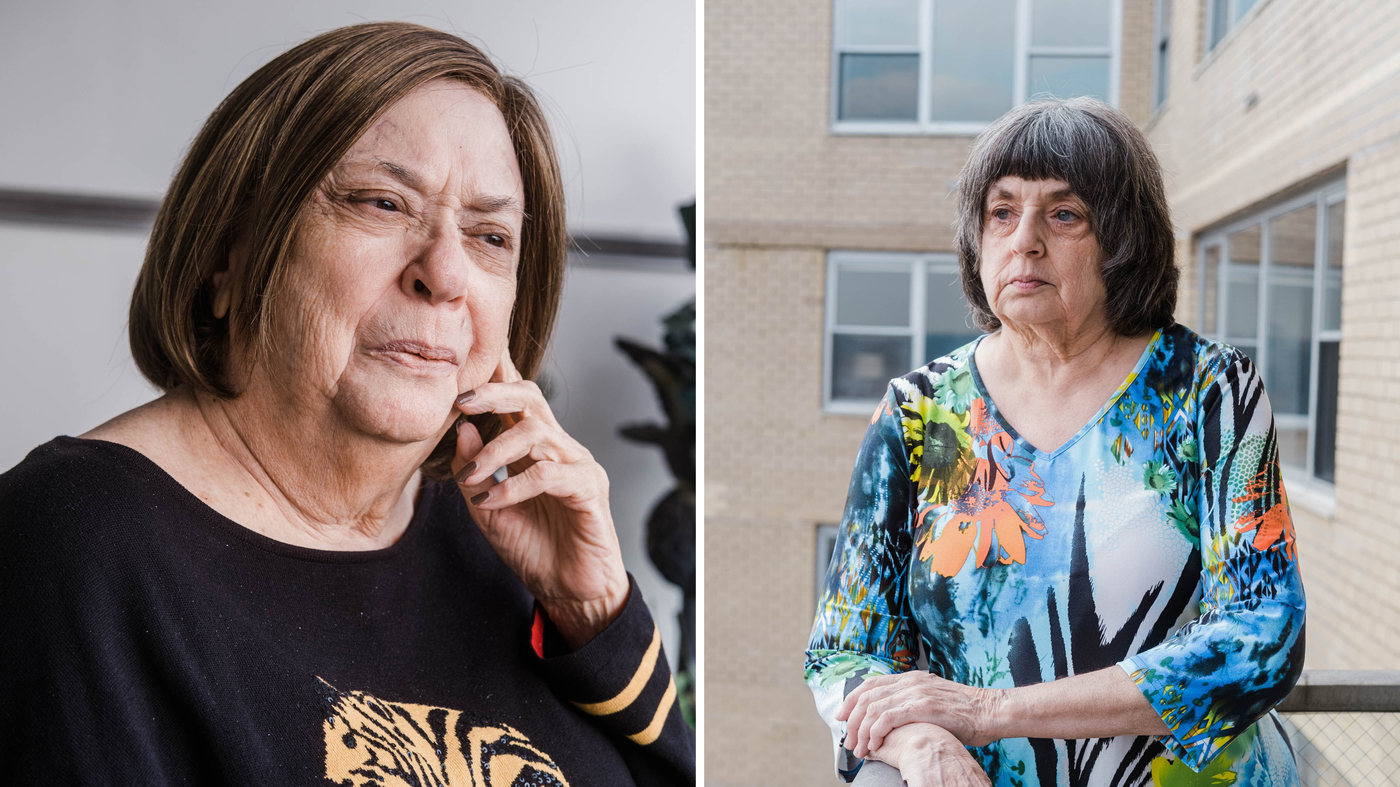
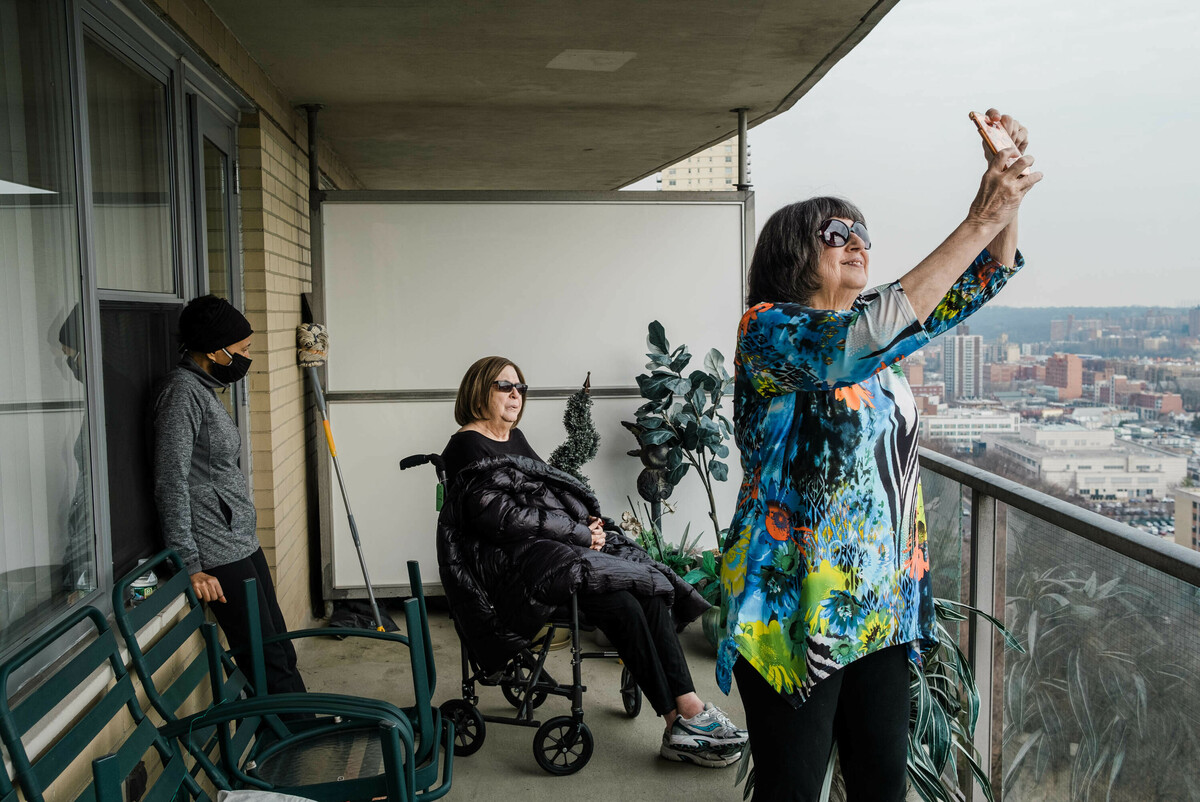
Louise Salant (right), 72, and her aunt Eileen Salant (center), 86, both got very sick with COVID-19 in 2020. And as Eileen developed long COVID symptoms, so too did Louise, who struggled with fatigue and shortness of breath while also managing her aunt’s care. Nearly three years later, home health aides like Elfnesh Legesse (left) help Louise take care of her aunt.

Gabriela Bhaskar for NPR


hide caption

toggle caption

Gabriela Bhaskar for NPR


Louise Salant (right), 72, and her aunt Eileen Salant (center), 86, both got very sick with COVID-19 in 2020. And as Eileen developed long COVID symptoms, so too did Louise, who struggled with fatigue and shortness of breath while also managing her aunt’s care. Nearly three years later, home health aides like Elfnesh Legesse (left) help Louise take care of her aunt.

Gabriela Bhaskar for NPR

For Louise Salant, long COVID has meant new stress, new responsibilities, and multiple medical crises to manage. It’s transformed her life.

But there’s a twist. She’s had to deal with this condition not just as a patient but also as a caregiver for her 86-year-old aunt Eileen Salant, who has coped with long COVID’s disabling symptoms for almost three years.

Eileen and Louise both caught an acute bout of COVID-19 in March of 2020. Eileen had been taking care of her brother, who was admitted to a New York City hospital with heart failure during those dark days of the early pandemic. He got COVID there, and died from his infection with the virus. Both aunt and niece also became very ill.

It was early days of the pandemic in New York, and hospitals were so crowded that Louise was told to stay home and fight out the illness on her own. Meanwhile, Eileen was hospitalized and stayed there all spring, including two months on a ventilator. After that, she spent five months at a rehab hospital. She finally came home to her apartment in Riverdale, the Bronx, the day before Thanksgiving in 2020 — but she was very weak.

Eileen and Louise both got COVID-19 in the early days of the pandemic in New York. Eileen ended up on a ventilator for two months and then spent five months in a rehab hospital. Louise fought the illness at home as hospitals started filling up.

Gabriela Bhaskar for NPR


hide caption

toggle caption

Gabriela Bhaskar for NPR


Eileen and Louise both got COVID-19 in the early days of the pandemic in New York. Eileen ended up on a ventilator for two months and then spent five months in a rehab hospital. Louise fought the illness at home as hospitals started filling up.

Gabriela Bhaskar for NPR

“She could barely sit up in bed, couldn’t hold a fork,” says Louise, who lives a 10-minute taxi ride away.

Over the years, Louise, now 72, has worked at various times as an art therapist, taught piano to children and adults and done medical interviewing for a cancer research team. But when COVID hit, all that ground to a halt. Though she hadn’t always been emotionally close to her aunt, she says, she took on the caregiving role, “because someone needed to” — even as she, too, dealt with her own symptoms of long COVID, including crushing fatigue and shortness of breath.

An overwhelming need

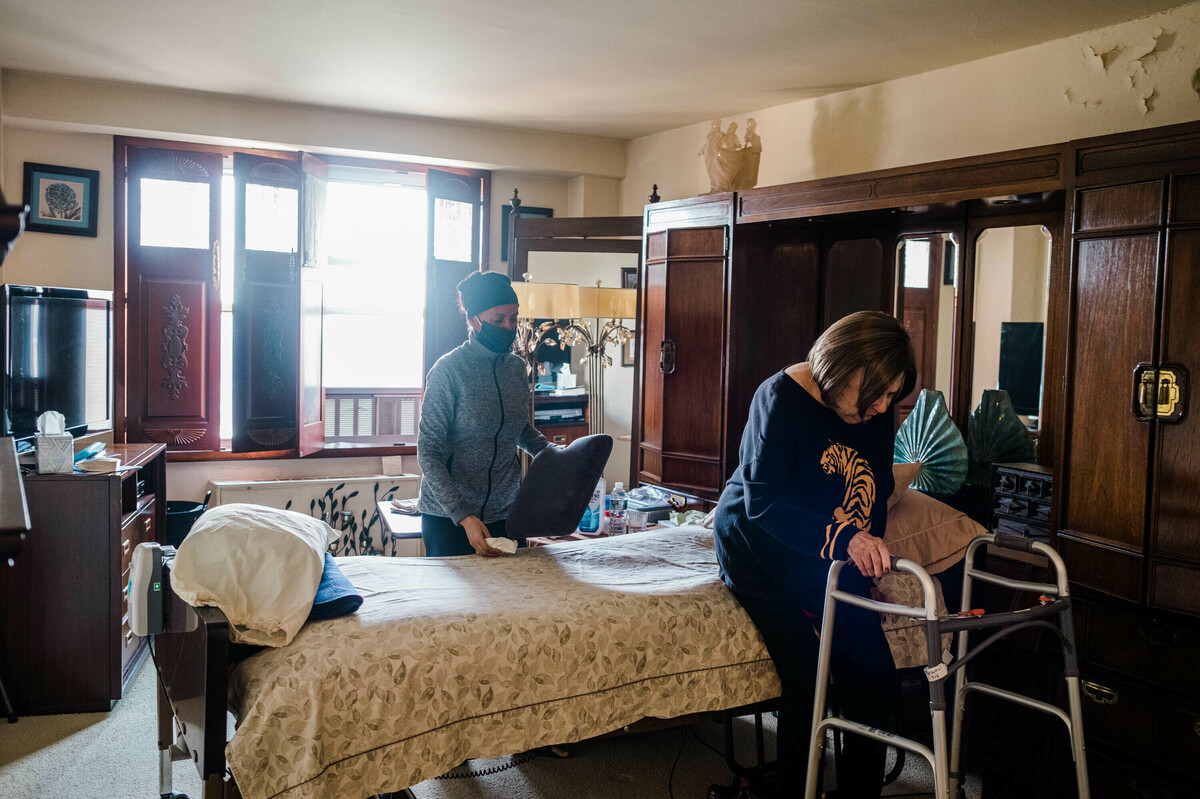
Louise Salant set about organizing home aides, occupational therapy and physical therapy for her aunt and oversaw all other aspects of the older woman’s care. She had to learn to deliver injections of blood thinning medicine, then trained the aides to do it too. For months, she kept track of Eileen’s expenses, maintained all her medical information and patient history, and ran all her errands.

She found that being a caregiver for someone with long COVID, as for other serious and chronic medical conditions, is not just being an aide. It’s running the patient’s life. “Every single day, there’s something she’d need,” Louise says. “I was dealing with the pharmacy, dealing with the doctor, keeping her schedule. And when I’m not there, I’d worry. I have to always be available on the phone.”

Louise began managing all aspects of her aunt’s life while dealing with her own debilitating fatigue. She hired and trained home health aides, made doctor’s appointments for Eileen, and picked up prescriptions from the pharmacy.

Gabriela Bhaskar for NPR


hide caption

toggle caption

Gabriela Bhaskar for NPR


Louise began managing all aspects of her aunt’s life while dealing with her own debilitating fatigue. She hired and trained home health aides, made doctor’s appointments for Eileen, and picked up prescriptions from the pharmacy.

Gabriela Bhaskar for NPR

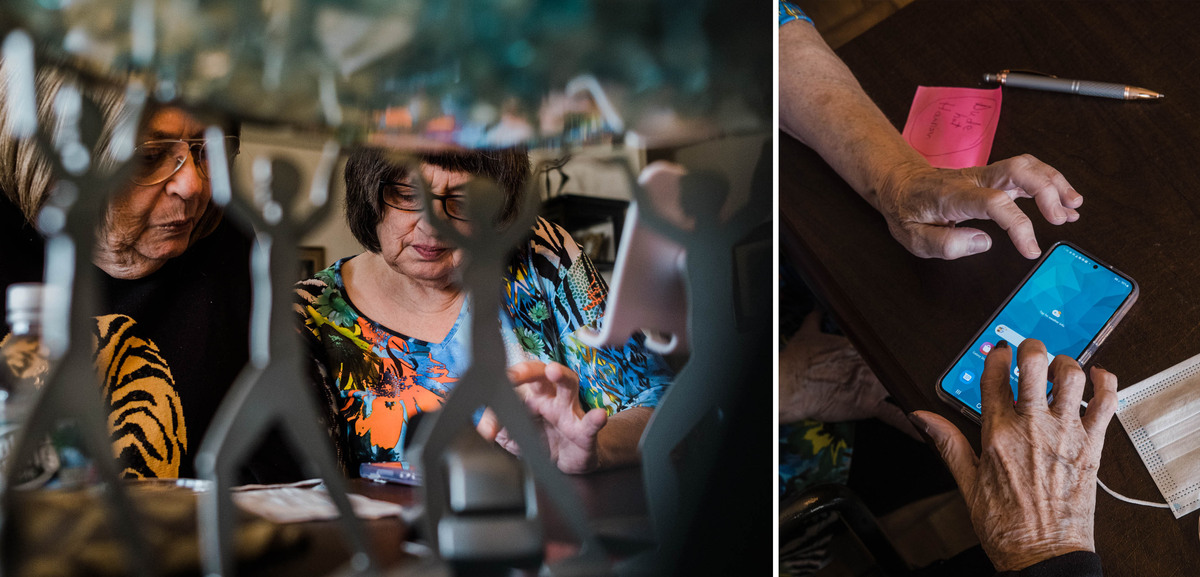
Eileen recently got a new phone; Louise showed her how to use it.

Gabriela Bhaskar for NPR


hide caption

toggle caption

Gabriela Bhaskar for NPR


Eileen recently got a new phone; Louise showed her how to use it.

Gabriela Bhaskar for NPR

Between 8 and 23 million Americans are thought to have long COVID — meaning they have long-lasting symptoms that endure or arise months after infection, such as difficulty concentrating (“brain fog”), extreme tiredness, anxiety and shortness of breath. But there is no solid estimate of how many need caregiving help. Stats from one clinic hint at the size of the problem: Out of the 1,782 patients seen at the Penn Medicine Post-COVID Assessment and Recovery Clinic between June 2020 and January 2023, about one-fifth said they felt uncomfortable dealing with daily activities like driving, shopping, or using public transit, suggesting the need for a caregiver.

And, like roughly 40{515baef3fee8ea94d67a98a2b336e0215adf67d225b0e21a4f5c9b13e8fbd502} of U.S. caregivers, Louise had her own chronic health problems to manage. It was the exhaustion of long COVID that almost took her under, especially in the first months of caregiving. After three or so hours of helping her aunt, she says, “this sickening feeling would come over my whole body, and I’d have to go home. I’d be in bed sick for two or three days.” In August 2021, Louise got a new inhaler from her lung doctor that helped her breathe better and started to give her more energy.

Why caregiving is harder when the medical condition is new and poorly understood

Stories like the Salants’ reveal another unfortunate reality about dealing with a complex chronic disease like long COVID, in contrast to an illness with a more straightforward diagnosis: Meeting the demands of the health care system itself can be a major burden. Because the medical condition is new and poorly understood, patients often consult multiple specialists who order a long sequence of tests to rule out other illnesses. Caregivers must schedule each of those visits, often go with the patient to the test, and often need to follow up with multiple physicians about the results.

Louise sorts through Eileen’s medications. “She’s been wonderful to me,” Eileen says of Louise. “Like a daughter would help her mother.”

Gabriela Bhaskar for NPR


hide caption

toggle caption

Gabriela Bhaskar for NPR

With unpredictable symptoms that can wax and wane mysteriously, long COVID also requires exceptionally good record-keeping, in order to provide doctors with new clues. But because the disease often causes fatigue and brain fog, some patients can’t keep track for themselves. They rely on friends or family for help.

“The family caregiver becomes the care manager, advocating and managing the system,” the late John Schall, former CEO of the Caregiver Action Network, an education and advocacy nonprofit, told us last year. “And you’re doing it by guesswork. Nobody tells you what to look for.”

In interviews with a half-dozen family caregivers of people with long COVID, the complexity of managing care emerged again and again. Judith Friedman, a Brooklyn mom who is helping her adult daughter who has long COVID, maintains a list of 14 doctors she consults regularly or periodically and another list that includes 10 daily prescription drugs, plus supplements and other as-needed medications her daughter takes.

Slowly, over time, Eileen began regaining her strength. By March 2022, she was able to venture out with Louise, for adventures beyond the neighborhood.

Gabriela Bhaskar for NPR


hide caption

toggle caption

Gabriela Bhaskar for NPR


Slowly, over time, Eileen began regaining her strength. By March 2022, she was able to venture out with Louise, for adventures beyond the neighborhood.

Gabriela Bhaskar for NPR

The task can be overwhelming even for experts. Tonya LaGrange has helped her husband Brent LaGrange since 2020 through a huge range of problems stemming from long COVID, including heart arrhythmias, joint pain, neurological problems and difficulty breathing. During doctors’ appointments, she is his advocate and backstop, making sure nothing gets forgotten and details don’t get lost. “It’s probably why he’s still alive now,” LaGrange says. “I’ve been able to intervene when he slips through the cracks.”

In 2020, at the peak of her husband’s illness, she was always doing something for his care, she says, whether it was emailing case managers during the day, or monitoring his breathing at night to wake him up when he would especially struggle. It’s not quite as intense now as it once was, she says, but she is still always “on” — juggling phone calls, appointments and follow-ups in between the demands of her job as the director of rehabilitation at a skilled nursing facility.

Even though LaGrange works in health care herself (including training as a physical therapist), and all her husband’s doctors are in one health system she finds care management a challenge. “I know how the field works, I know the system, I know the terminology, and we’re having trouble,” she says. “What about people who don’t have the education I have? It’s devastating.”

Caregivers need support, too

Louise says her own long COVID symptoms have finally mostly eased. She says she took on the caregiving role for her aunt when COVID-19 hit them both, “because someone needed to.”

Gabriela Bhaskar for NPR


hide caption

toggle caption

Gabriela Bhaskar for NPR


Louise says her own long COVID symptoms have finally mostly eased. She says she took on the caregiving role for her aunt when COVID-19 hit them both, “because someone needed to.”

Gabriela Bhaskar for NPR

About half of all family caregivers say they take the lead in coordinating their ill loved one’s care, according to surveys from AARP. And while hands-on caregiving can be emotionally rewarding, dealing with forms, bills and scheduling generally isn’t, says Jennifer Olsen, CEO of the Rosalynn Carter Institute for Caregivers. “It’s challenging to spend half your day on the phone with insurance to make sure you have the right justification for the right test,” she says. “Caregiving project management is something we don’t talk about.”

These responsibilities add to the strain of worrying about a loved one’s health and keeping the household running too. It can be intense, says Sheria Robinson-Lane, assistant professor at the University of Michigan School of Nursing, who studies caregiving. “One family member might have taken care of paying the bills, and now this person has to learn all those tasks, which wasn’t part of the division of labor,” she adds. “That causes stress.”

Louise rests on the couch while visiting Eileen at her apartment in the Bronx. Naps were a regular part of each caregiving day a couple of years ago, when Louise could only function about three hours a day, she says. A new inhaler she was prescribed in August 2021 helped her breathe better, and gave her more energy.

Gabriela Bhaskar for NPR


hide caption

toggle caption

Gabriela Bhaskar for NPR


Louise rests on the couch while visiting Eileen at her apartment in the Bronx. Naps were a regular part of each caregiving day a couple of years ago, when Louise could only function about three hours a day, she says. A new inhaler she was prescribed in August 2021 helped her breathe better, and gave her more energy.

Gabriela Bhaskar for NPR

Robinson-Lane recommends that caregivers move quickly to reinforce their own emotional support systems, whether that’s friends, family or, ideally, a professional counselor. Local senior centers can often help people who aren’t necessarily elderly, she adds: Advice and connections may be available for those over 55, or for disabled people of any age. Simply talking to your insurance provider can also point the way to assistance: “In my experience they’re incredibly helpful once you get someone on the phone,” says Robinson-Lane.

The next chapter of care

By the late winter of 2021, months after she first came home from the rehab hospital, Eileen Salant started feeling stronger, and by April of that year she was able to venture out to the kosher deli in her neighborhood. By March of 2022, with the help of her niece Louise, the two took longer adventures — taxi trips to Nordstrom and Saks Fifth Avenue in Manhattan. “I was just determined to get out,” Eileen says.

Later that month, she had a major setback, and was hospitalized again for a week. But thanks to Louise’s help, and the support of paid caregivers at home, Eileen eventually bounced back.

Louise says that despite the difficult circumstances, she and her aunt have become closer these past few years.

Gabriela Bhaskar for NPR


hide caption

toggle caption

Gabriela Bhaskar for NPR


Louise says that despite the difficult circumstances, she and her aunt have become closer these past few years.

Gabriela Bhaskar for NPR

“She’s been wonderful to me,” Eileen says of Louise. “Like a daughter would help her mother.” Despite the difficulty of the last few years, the two are closer now, Louise says, and have come to respect and love each other.

Louise has advice for other long-COVID caregivers: Find a doctor who is knowledgeable about the disease, or at least willing to learn more about it. She also recommends the online patient-support group Survivor Corps. “The best resource is other people,” Louise says.

Other family caregivers praise the Body Politic COVID-19 support group. And LaGrange recommends simply finding someone to talk to who is not part of the family — perhaps a friend or a therapist.

Although specific treatments for long COVID are elusive so far, many people do eventually recover on their own. The biggest study so far found that long COVID symptoms endured an average of 9 months for people who’d been hospitalized with COVID-19, and 4 months for those who hadn’t needed hospitalization .

Louise also reports that her long-COVID symptoms have finally eased, and she, too, is feeling better. The overwhelming fatigue seems to be gone, although she’s still tired, and she even started teaching piano again for one nearby family.

She’s been able to step back a little bit from her daily responsibilities in caring for her aunt, although she knows that could change at any moment. She still sleeps with her phone by her bed, she says — but now at least she sleeps through the night.

Kat McGowan is a freelance writer in California focused on caregiving. This story was produced with support from the Alicia Patterson Foundation.

Washington woman with tuberculosis refuses treatment, prompting court orders

Washington woman with tuberculosis refuses treatment, prompting court orders

The Tacoma-Pierce County Health and fitness Department in Washington has obtained a number of courtroom orders necessitating a Tacoma resident to get treatment for her energetic tuberculosis, officials instructed NBC Information on Friday.

The woman has thus significantly refused to isolate or just take the essential drugs, in accordance to Nigel Turner, the department’s division director of Communicable Disease Management.

“The court docket buy is in spot buying isolation and quarantine,” Turner stated. “We’re doing work with her on assessing the compliance with that.”

The Information Tribune, a local news outlet, documented on Friday that around the previous calendar year, the well being section has frequently sought and been granted court orders compelling the girl to isolate and get handled for tuberculosis. In accordance to the Tribune, lawful petitions from the department claimed the affected person had not abided by prior orders, and experienced at one stage begun but discontinued medicine. The wellbeing division confirmed the Tribune’s reporting to NBC News.

A choose issued the most up-to-date get on Jan. 20, granting the division the authority to examination, address and detain the girl, commencing next 7 days.

The office announced Monday that it was checking the circumstance and mentioned at the time that it was working with the woman’s family to persuade her to acknowledge procedure.

The office declined to provide details about why the woman has refused procedure.

Less than Washington state legislation, community well being officials have the lawful authority to seek out a court purchase when a person’s refusal to get medicine poses a danger to the public.

Tuberculosis can increase to that stage for the reason that it can be deadly if still left untreated, and infectious folks threat spreading the sickness more. The germs that brings about tuberculosis can unfold via the air when a person with an energetic circumstance coughs, sneezes or speaks.

The procedure approach can consider three to nine months, according to the Facilities for Illness Regulate and Prevention. Individuals who discontinue drugs right before treatment method is finish can also produce antibiotic resistance.

The Tacoma-Pierce County Health Department in Tacoma, Wash.
The Tacoma-Pierce County Well being Division in Tacoma, Wash.Google Maps

When it comes to having lawful motion, Turner reported, “it is incredibly reluctantly that we do that since clearly we’re balancing people’s civil liberties from safeguarding the well being of the public.”

In the earlier 20 years, the office said, it has experienced to enlist the support of law enforcement to detain a few men and women who refused tuberculosis therapy right up until they were being no more time infectious. Turner stated the office commonly exhausts other steps before seeking a court purchase, these as enlisting spouse and children members, health-related suppliers or infectious sickness industry experts to motive with a patient.

Procedure for tuberculosis usually is made up of antibiotics taken everyday or weekly for a time period of months. Men and women with infectious tuberculosis should be isolated during that time, till they are no more time able of spreading the condition to other people. The extensive vast majority of situations can be fixed with medicine, in accordance to the Environment Health Firm.

Turner stated the length of treatment method or chance of side results from the antibiotics could discourage some people today from accepting medicine. Individuals who don’t have trustworthy access to foodstuff or housing might also be unwilling to observe isolation suggestions, he claimed, so the wellness section may perhaps provide them with those people sources.

In regards to the current patient, he reported, the section is “really wanting for just about every opportunity for them to comply with and work with us to resolve this as before long as we can.”

The Tribune reported that a January authorized filing from the well being office claimed the female experienced formerly long gone to the unexpected emergency place subsequent a motor vehicle crash but experienced not disclosed her tuberculosis prognosis to staff members. Upper body X-rays taken through the check out showed the disease’s progression, the petition stated, according to the Tribune. The Tacoma wellness office confirmed the report to NBC News.

Indications of lively tuberculosis involve a negative cough that lasts three weeks or longer, chest soreness or coughing up blood or phlegm, according to the CDC.

Nationally, the range of tuberculosis conditions has declined steadily because 1992, according to the CDC. The U.S. recorded close to 7,900 lively cases in 2021. Tuberculosis vaccines are not widely administered in the U.S. mainly because the condition is not common and the pictures are not really productive in older people.

Pierce County sees about 20 scenarios of lively tuberculosis for every calendar year, the health and fitness division mentioned.

But some men and women dwell with latent tuberculosis infections, meaning the microbes is inactive and the host is not contagious and doesn’t have signs. The CDC estimates this affects up to 13 million people in the U.S. About 5{515baef3fee8ea94d67a98a2b336e0215adf67d225b0e21a4f5c9b13e8fbd502} to 10{515baef3fee8ea94d67a98a2b336e0215adf67d225b0e21a4f5c9b13e8fbd502} of these latent instances, if left untreated, will create into lively condition at some level in people’s life.