
Hospitals and health care facilities should drop mask requirements, medical experts say

Hospitals and health care facilities should drop mask requirements, medical experts say

Even after mask mandates were dropped across the country amid dwindling COVID-19 cases and deaths, face coverings have still been required in many doctors’ offices, hospitals and other health care settings.

Now, a group of esteemed medical experts is calling for a change.

In an April 18 journal entry in the Annals of Internal Medicine, an academic medical journal, several physicians — including infectious disease specialists — wrote that it’s time to remove masking requirements in health care facilities.

“While critically important in the earlier phases of the pandemic, we’ve entered a more stable phase, with substantial population-level immunity, durable protection against severe disease, a series of less virulent variants, and other important and favorable changes,” said corresponding author Erica S. Shenoy, M.D., PhD, in a press release. 

FACE MASKS MADE ‘LITTLE TO NO DIFFERENCE’ IN PREVENTING SPREAD OF COVID, SCIENTIFIC REVIEW FINDS

She is the medical director of infection control for Mass General Brigham and an infectious diseases physician at Massachusetts General Hospital in Boston. 

“As conditions change, we need to re-evaluate our infection prevention policies, including masking requirements in health care settings, and adapt,” she added.

Patients in masks

Even after mask mandates were dropped across the country amid dwindling COVID-19 cases and deaths, face coverings have still been required in many doctors’ offices, hospitals and other health care settings. Now, a group of doctors is calling for this to end.  (iStock)

Other contributing physicians came from Harvard Medical School, Washington University School of Medicine, University of Iowa College of Medicine, Dartmouth Hitchcock Medical Center, Tufts University School of Medicine and Trinity Health Michigan. 

“Masking requirements in health care have continued longer than in the community because these settings have a higher proportion of individuals at high risk for complications of infection,” the authors wrote in the journal entry.

“However, the context and conditions of the pandemic have changed dramatically and favorably since masking requirements in health care were initially adopted, and evidence-based public health policy should also adapt in response.”

‘Makes complete sense’

Dr. Marc Siegel, a professor of medicine at NYU Langone Medical and a Fox News contributor, agreed with the decision.

“It makes complete sense to remove the universal mask requirements for medical centers — and NYU did it weeks ago,” he told Fox News Digital. “It hasn’t made sense for a while.”

“We should adapt mask policies to reflect this new reality.”

Dr. Shana Johnson, a physical medicine and rehabilitation physician in Scottsdale, Arizona, reviewed the doctors’ recommendations.

“As we transition to the place where SARS-CoV-2 is a constant and stable presence in our community, we should adapt mask policies to reflect this new reality,” she told Fox News Digital. 

Weighing costs, benefits

In the journal entry, the authors pointed out that masking in health care settings was appropriate early in the pandemic as a means of limiting spread among medical personnel, patients and visitors.

Photo shows piles of face masks, including surgical masks and N95 masks

Dr. Marc Siegel of New York City said he continues to wear a KN95 or N95 mask in the room with most patients, especially those with respiratory symptoms. He said, however, that it “makes complete sense to remove the universal mask requirements for medical centers.” (iStock)

But as the population has achieved greater immunity and COVID has entered a “more stable phase” — and as public health agencies and the U.S. government have declared that the public health emergency is over — the physicians stated in the findings that the small benefits of continuing to require masks don’t justify the costs.

“Masks do have downsides, such as impaired communication and disrupted human connection.”

“After three years of universal masking in health care, the risk-benefit calculation has shifted,” said Shira Doron, M.D., chief infection control officer for Tufts Medicine health system and hospital epidemiologist at Tufts Medical Center, in the press release announcing the paper. 

“Masks do have downsides, such as impaired communication and disrupted human connection.  We are at a stage of the pandemic where it now makes sense to end mandatory masking,” she added.

PARENTS NOW QUESTION WHETHER COVID MASK MANDATES DID MORE HARM THAN GOOD

Among the drawbacks of masks, the study authors cited an “increased cognitive load” for doctors who are trying to listen to patients wearing face coverings. 

This is particularly difficult for patients who do not speak fluent English or who are hard of hearing, they added.

“Masks obscure facial expression; contribute to feelings of isolation; and negatively impact human connection, trust and perception of empathy,” the authors wrote.

“Masking is not without its downsides,” Dr. Johnson said. “Masks make it more difficult to hear, understand and communicate with your provider. Some choice makes sense.”

‘Standard precautions’ should be used

In lieu of universal masking, the study authors suggested that health care settings should follow “Standard Precautions and Transmission-Based Precautions,” as outlined by the Centers for Disease Control and Prevention (CDC).
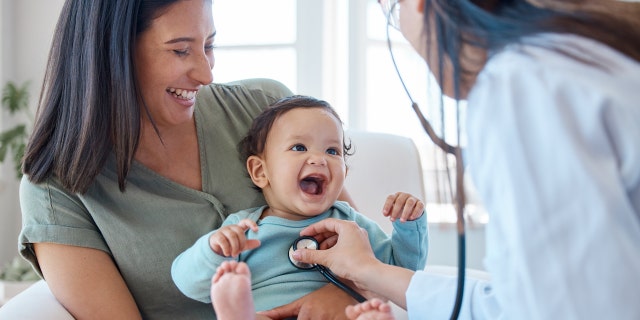
Patients without masks

“Masks obscure facial expression; contribute to feelings of isolation; and negatively impact human connection, trust and perception of empathy,” the authors wrote. (iStock)

Health care personnel should wear masks to prevent exposure as needed, according to those guidelines. 

Also, any people with respiratory symptoms (namely, coughing or sneezing) should use a face covering.

Additionally, if a medical worker is “caring for patients with suspected or confirmed respiratory infection, they should use personal protective equipment and other interventions.”

Rather than having universal masking requirements, Dr. Siegel believes the decision should be “based on individual risk.”

“Universal masking in health care is a policy whose time has come and gone … for now.”

“It should be reserved for patients who are immunocompromised or severely or chronically ill or the doctors that care for them,” he told Fox News Digital. “Patients who are acutely ill and those with chronic lung problems should continue to wear masks.”

The doctor said he continues to wear a KN95 or N95 mask in the room with most patients, especially those with respiratory symptoms.

“Certain health care settings with high-risk patients could still choose to use universal masking, but it would not be required in other areas of normal risk,” added Dr. Johnson.

Reconsidering other early-pandemic precautions

Along with dropping mask requirements in health care settings, the physicians wrote that other protocols should be reconsidered.

COVID testing

The doctors wrote that in addition to universal masking, other early pandemic strategies, such as asymptomatic testing and contact tracing, should also be reconsidered. (AP)

“Moving away from universal masking policies should be accompanied by reconsideration of other pandemic-era strategies (for example, asymptomatic testing, resource-intensive contact tracing), which similarly have experienced a shift in their risk-benefit balance over the course of the pandemic,” they stated in the discussion.

Potential for masking to return

The latest commentary doesn’t mean that masking policies won’t return sometime in the future, the physicians noted.

“Future pandemics or significant localized outbreaks may justify more widespread or targeted masking policies, respectively, as part of a bundled response,” they wrote, noting that it’s important to educate health care personnel and patients as policies change.

COVID-19’S LASTING IMPACT: ‘LESS ATTRACTIVE’ PEOPLE WEAR MASKS MORE OFTEN THAN OTHERS, STUDY FINDS

“Change and adaptation are expected,” said senior author Dr. Westyn Branch-Elliman, an infectious diseases specialist and clinical investigator at VA Boston Healthcare System. 

“That does not mean ‘the science has changed,’ but almost everything around it has.”

The doctors called for “focused research” to “ensure requirements are not maintained longer than necessary and are reinstated when needed.”

Additionally, the authors noted that the Healthcare Infection Control Practices Advisory Committee (HICPAC) at the Centers for Disease Control and Prevention (CDC) “is currently reevaluating existing approaches to Transmission-Based Precautions, which is likely to inform future considerations for health care transmission mitigation strategies.”
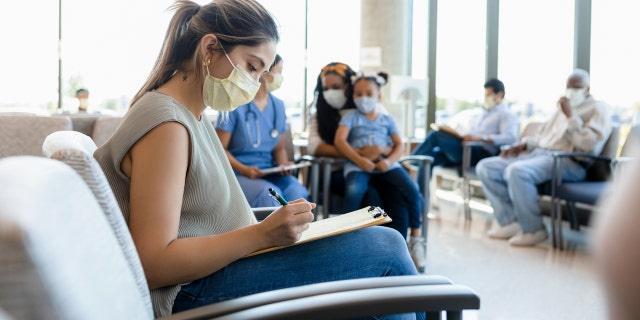
Hospital waiting room

The authors pointed out that masking in health care settings was appropriate early in the pandemic as a means of limiting spread among medical personnel, patients and visitors. Now, however, they said that “universal masking in health care is a policy whose time has come and gone … for now.” (iStock)

“The time has come to de-implement policies that are not appropriate for an endemic pathogen when the expected benefits of such policies are low,” they concluded. 

“Universal masking in health care is a policy whose time has come and gone … for now.”

CLICK HERE TO SIGN UP FOR OUR HEALTH NEWSLETTER

COVID cases and deaths continue to decline. 

As of April 19, the CDC reported 94,142 weekly deaths in the U.S., down from a peak of 5.5 million in January 2022. 

Weekly deaths from COVID were down to 1,160; the highest count was 23,629 in January 2021.

CLICK HERE TO GET THE FOX NEWS APP

The World Health Organization released updated masking guidelines in January 2023. 

Despite the decreasing COVID numbers, the agency stated that “masks are recommended following a recent exposure to COVID-19, when someone has or suspects they have COVID-19, when someone is at high risk of severe COVID-19, and for anyone in a crowded, enclosed or poorly ventilated space.”

Hospitals Intensify Efforts to Treat Long COVID in Kids and Teens | Healthiest Communities Health News

Hospitals Intensify Efforts to Treat Long COVID in Kids and Teens | Healthiest Communities Health News

COVID-19, a puzzling virus in alone, has continued to vex medical professionals and sufferers with its from time to time major, debilitating aftereffects. These persistent indications, labeled prolonged COVID and affecting each and every demographic, are proving notably worrying as the effects on little ones and teenagers are increasingly becoming recognized.

One problem in managing the condition is that quite a few individuals nevertheless issue that COVID in common and very long COVID in distinct are actual threats to little ones, claimed Dr. Amy Edwards, director of the Pediatric COVID Restoration Clinic and affiliate health care director for an infection command at UH Rainbow Infants and Children’s Medical center in Cleveland. But children do get COVID, she claimed. “Kids can even have extreme COVID” with some dying. Not all of them experienced considerable preexisting ailments, both some “were correctly balanced,” she pointed out. But there are nonetheless physicians who doubt that small children can get lengthy COVID, so Edwards claimed it is crucial to get the phrase out. “We have to assistance these kids” as there are significant considerations about their lengthy-expression results if they do not get assist, she noted.

Bree Saligumba, a now-12-calendar year-previous California lady appreciates firsthand the burden of struggling with lengthy COVID. In a prepanel conversation, her mother, Marci Saligumba, explained Bree as an “A” college student and all-natural athlete who came down with a delicate case of COVID in March 2020. Shortly immediately after, though, Bree begun dealing with rashes, discomfort, shaking, confusion, blurred eyesight and brain fog. The moment she even handed out for 12 minutes at faculty.

“At 1 point,” her mom famous, Bree had appointments “every single working day of the week.” Her daughter’s care became fragmented and uncoordinated amongst the distinctive practitioners, which include one who made it very clear that he didn’t believe extended COVID was the trigger of Bree’s healthcare concerns.

“I imagine we have our function slash out for us to kind of generate consciousness that this is the real offer,” said Dr. Uzma Hasan, medical director of the Pediatric Article-COVID Treatment Software and division chief, pediatric infectious diseases at Cooperman Barnabas Health care Middle, an RWJ Barnabas Wellbeing facility in Livingston, New Jersey. Edwards additional, “I just can’t tell you how a lot of mothers and fathers or sufferers have cried in my COVID restoration clinic for the reason that they are just so relieved to locate somebody who will expend the time listening to them.”

Estimates suggest that involving 4{515baef3fee8ea94d67a98a2b336e0215adf67d225b0e21a4f5c9b13e8fbd502} and 25{515baef3fee8ea94d67a98a2b336e0215adf67d225b0e21a4f5c9b13e8fbd502} of youngsters who get COVID develop extended COVID, reported Dr. S. Kristen Sexson Tejtel, director of the COVID-19 Return to Action Clinic and of preventive cardiology at Texas Children’s Hospital in Houston. There is no lab take a look at to exactly diagnose the affliction, which tends to make it challenging to pin down, observed Tejtel, who is also an associate professor of pediatric cardiology at the Baylor University of Medicine. Indicators may perhaps also differ from patient to affected person, she described, although they are likely to fall into just one of a few groupings: “neuro-headache-y ache,” “dizziness-passing out,” and “GI (gastrointestinal)-belly pain,” and these can “intermingle for sure.”

“Many of these little ones are battling in school. They are not able to do the points that they want to do with their close friends,” Tejtel reported. About a person-third of her patients have had some discussion about homebound or other choice modes of education. This is a significant number of little ones possibly staying eliminated from their usual regime, she noted, which can get “a large toll” socially, emotionally and developmentally on them. With very long COVID, these kids “aren’t the exact same as they had been prior to,” she reported. “The sparkle has long gone from their eyes. And that’s what we are functioning to get again.”

So much, clinicians are finding that ladies are inclined to be impacted extra severely. And, astonishingly, lots of of the impacted young children only experienced moderate or even asymptomatic COVID, Hasan observed. Then “a thirty day period out immediately after their episode (they) were being starting up to become dysfunctional due to the fact of headaches or exhaustion, or not getting capable to method details or having mind fog or having dizzy spells the place they couldn’t operate.” Quite a few of these children are hyper-achievers, she stated. They see it as a particular failure that they are struggling to get back on their toes. “Lots of them experienced significant stress and melancholy mainly because of that.”

Edwards reported her clinic requires a number of techniques to treating extended COVID. “We want to do the job to command the signs or symptoms so that the affected individual can be useful.” To help regulate the autonomic anxious system, which controls simple capabilities like heart level and respiratory and seems to get disrupted with lengthy COVID, Edwards’ staff tries tweaking patients’ eating plans, this sort of as their fluid and salt ingestion. In addition, a variety of remedies may well be tried using. She also famous that the medical center has started an autonomic rehabilitation system “which is operating genuinely very well for a unique subgroup of individuals.” Her clinic also offers mental wellbeing services.

For the reason that many of these kids are younger and if not wholesome, the hope is that “their bodies can bounce back again and mend themselves,” Edwards added. A lot of people are becoming discharged thoroughly nicely some improve but may perhaps still have to have long-term, serious administration for persistent signs and symptoms. “Those are the young ones that I am genuinely fearful about,” Edwards famous. “I hope a person working day that we do uncover a real good cure as an alternative of variety of this mishmash of hoping a bunch of experimenting.”

On that front, information is emerging that indicates the COVID vaccine can provide as a opportunity treatment for many sufferers. Hasan notes that most of the extended COVID sufferers she has witnessed are unvaccinated. But, anecdotally, she has observed that, “the large greater part of kids who have (subsequently) gotten vaccinated, I would say, about six to eight months later, we definitely see a considerable improvement in their symptoms.”

A variety of theories are building as to why this happens, she famous: “Is there some kind of autoimmune system that’s offset by the vaccination? Do they have a hidden viral reservoir that’s neutralized?” No apparent response has emerged nonetheless.

It’s also not very clear why some young children who recuperate from lengthy COVID relapse, especially after obtaining reinfected, Edwards claimed. “We have a great deal of questions about the extended-expression prognosis for these young children, and there is very little getting done to handle it so far – globally – other than for in these little, isolated clinics.”

Yet another major problem struggling with little ones who produce lengthy COVID is psychological trauma that can manifest as mood improvements – anxiousness, melancholy or irritability, for case in point, Malone reported. She attempts to help kids back into athletics, clubs and other social routines so they can regain a perception of normalcy. That could need remedies and bodily treatment, she pointed out, as well as psychological overall health help for the complete family.

“What’s the most demanding,” Edwards said, “is just the sheer volume” of people. In Ohio, in between 30,000 and 70,000 young children have extended COVID. She sees children whenever she can – even at evening. But irrespective of these initiatives, “I won’t be able to quite possibly see them all.” She emphasised the want for more help from point out and federal officials as very well as from colleges to guide children who are battling.

Lots of states don’t have prolonged COVID clinics, Malone added. So extra will need to be added nationwide, together with new scientific treatment styles, “where you can devote the time with the patient and do what you need to do.”

“If the boy or girl requires speedy treatment, they will need immediate care,” Hasan agreed. Parents “should not have to hold out for four months for treatment for their kid.”

For wellbeing systems on the lookout to launch extended COVID clinics, Edwards suggested having a multidisciplinary strategy, whereby a number of specialists come alongside one another “to aim at the very least partially on very long COVID kids” because “repetition can help breed familiarity with the sickness and how to take care of it.” She also proposed featuring a digital care solution. “A lot of these young ones, especially if they are likely by way of a actually bad crash or seriously undesirable period of time of time, might not really be ready to get out to see a bunch of medical professionals, so acquiring that virtual option out there, at minimum aspect of the time, can truly assistance.”

In addition, Edwards urged general pediatricians and household medication practitioners to listen to and consider their people and then, to support manage their indications as considerably as attainable. “If everybody even does a minor little bit, it would go a lengthy way,” she stated.

Tejtel agreed, noting of Texas: “We are unable to just take treatment of 70,000 children, even among all of the clinics that we have, and that’s only one state.” Major treatment clinicians, she said, will be significant players in addressing the epidemic of pediatric very long COVID likely forward, serving as quarterbacks who coordinate almost everything a individual requires – from consultations with several professionals to lab assessments. This thorough “medical home” design may support additional children about the country get the care they have to have. “If we can get to it speedier, that may possibly be the ideal spot for it to happen,” she said.

Malone also recommended practitioners to avoid pushing young ones much too rapidly back to their life as “that doesn’t usually work … simply because you want to avoid crashes and kind of a worsening of indications.”

In actuality, caring for the family as a entire, Hasan noted, “is a substantial element of this process” in managing extensive COVID. It can be tough for moms and dads to choose a working day off do the job to just take a baby to a sequence of appointments, she explained, so “we attempt our toughest to make confident that it really is a one-end shop” to ease their load.

That angle sooner or later assisted Bree Saligumba get better sufficient to go back again to faculty and athletics, even though she nonetheless encounters flare-ups that have to have health care management. Her mom Marci has this concept for medical practitioners: “Please believe your clients when they convey to you that some thing is completely wrong.” Even if lab do the job arrives again usual, that doesn’t signify it’s all in a patient’s head, she explained. “We need assistance, and we have to believe in that you will find a way to assist us out.”

Medical residents unionize at hospitals around the country : Shots

Medical residents unionize at hospitals around the country : Shots

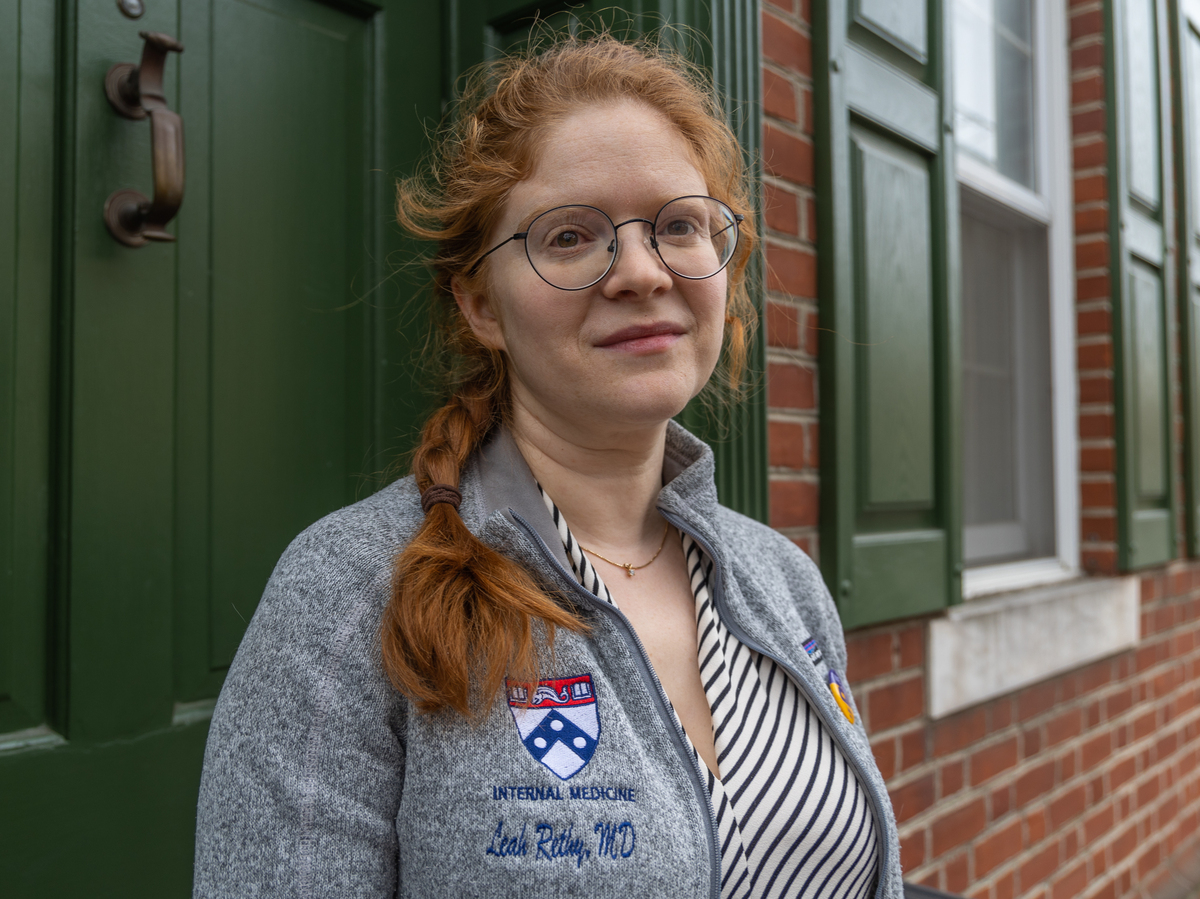
Dr. Leah Rethy is an internal medicine resident with Penn Medicine.

Kimberly Paynter/WHYY


hide caption

toggle caption

Kimberly Paynter/WHYY


Dr. Leah Rethy is an internal medicine resident with Penn Medicine.

Kimberly Paynter/WHYY

Dr. Leah Rethy was pregnant during the first year of her internal medicine residency at the Hospital of the University of Pennsylvania in Philadelphia. She gave birth during her second year. She worked through her 40th week of pregnancy so she could save her time off and spend more time with her newborn.

Now she’s back at work and needs child care. A lot of child care. Medical residents often work long and irregular hours, sometimes as many as 80 hours a week. And child care is one of the main issues motivating Rethy to push for a union at her hospital.

In February, most residents at two major Penn Medicine hospitals decided to form a union, and the National Labor Relations Board will conduct their election in early May. They join a wave of other residents unionizing at programs around the country, most recently at Montefiore hospital in New York, George Washington University in Washington, DC, and Mass General Brigham in Boston.

If successful, these residents would join the Committee of Interns and Residents, the union for medical residents. According to the union’s figures, the number of campaigns spiked from two in 2021, to eight in 2022, an unprecedented increase.

Child care challenges

Rethy says her problem with child care is not unusual — residency follows undergraduate education, and usually four years of medical school, so it overlaps with childbearing years for most people.

“I know a lot of people who’ve delayed having children,” she says. “And I also have heard a number of stories of people delaying having children and then, ultimately, having real challenges getting pregnant because of being older and various factors.”

Dr. Leah Rethy, an internal medicine resident with Penn Medicine, holds her 17 month-old son, Peter.

Kimberly Paynter/WHYY


hide caption

toggle caption

Kimberly Paynter/WHYY


Dr. Leah Rethy, an internal medicine resident with Penn Medicine, holds her 17 month-old son, Peter.

Kimberly Paynter/WHYY

Rethy laments the waiting lists for child care affiliated with Penn Medicine, and says finding her own child care is prohibitively expensive.

“The cost of day care … in a month is about half of my salary in total, and the cost of a nanny is essentially the entirety of my salary,” says Rethy.

She says this experience led her to believe unionizing is the best way for residents to demand better working conditions and higher pay, which would lead to better patient care.

A workforce that can’t leave

Sunyata Altenor is the communications director of Committee of Interns and Residents, or CIR, as the union is known. She says residents who want to unionize understand the program is supposed to be hard work, with long hours. But they want to be treated fairly for their efforts, at a workplace they cannot just choose to leave, as it’s a required part of their training.

“It’s easy to exploit physicians during this time in their career,” Altenor says. “They’re only going to be there for a few years. It’s sort of expected that you go through this hard, hazing culture, and then you come out at the other end an attending physician.”

Prominently, Stanford Medicine did not include residents in their COVID-19 vaccination plans in 2020, leading to protests, and later, a successful unionization drive.

Dr. Chantal Tapé, a third-year resident in family medicine at Penn Medicine, said residents expect challenging work and long shifts, but they would also like to be able to be healthy and financially stable so they can focus on taking care of patients.

She said it is “frustrating as someone who is a prenatal care provider,” to watch colleagues struggle during pregnancy make it to prenatal care appointments and during early parenthood to afford child care. Her colleagues can’t follow advice she recommends for her patients.

Parking, mice and roaches, too

Penn Medicine residents cite many issues for their decision to form a union, such as: the upcoming loss of parking benefits that would lead to an extra $200 monthly cost for residents; and dirty call rooms, which are rooms where residents stay and rest if they have to work overnight.

Residents say some current call rooms have mice and cockroaches.

Dr. Madison Sharp, a third-year OB-GYN resident, recalls not even having a call room to sleep in during a 24-hour rotation.

“So I tried to sleep in a dialysis chair that didn’t lie flat in a conference room off to the side,” she said. “Two years later, residents on that same rotation still don’t have a place to sleep for a few hours on a 24-hour call shift … keep in mind that Penn just opened a billion-dollar hospital but neglected to create physical space for us.”

Medical residents at Penn Medicine say cockroaches and mice have been seen in the “call rooms” where doctors rest during 24-hour shifts.

Resident at Penn Medicine


hide caption

toggle caption

Resident at Penn Medicine


Medical residents at Penn Medicine say cockroaches and mice have been seen in the “call rooms” where doctors rest during 24-hour shifts.

Resident at Penn Medicine

In a prepared statement, Penn Medicine says it values residents and is “proud of the ways in which we have sought to continually improve resident life and wellness.” The statement maintains it provides benefits and increased salaries to offer competitive working conditions. Starting July 1, resident salaries will start at a little more than $69,000 a year, according to Penn Medicine. They also say “trainees” should bring their concerns to administrators through an existing advisory council.

“I was the president of this council last year, and I can tell you firsthand that the House staff governing council is extremely limited in what we could accomplish,” Sharp said. “It was incredibly frustrating to advocate for residents and fellows and not be heard or have our concerns brushed aside or dismissed.”

Residents at the University of Vermont Medical Center voted to form a union last year. Following the successful union vote for residents, support staff including maintenance workers and technicians are unionizing as well.

The union for residents at Jersey City Medical Center has already argued for a better work environment in the years since they’ve organized, said Dr. Andrea Attenasio, a fourth-year resident in orthopedic surgery. For instance, she said they recently managed to ask the hospital to provide food for residents who work after hours; to provide bedsheets for the rooms where residents stay if they work overnight; and to stop tying salary increases for residents to overall hospital performance, a major concern with rising inflation and cost of living.

Attenasio said the bargaining power and strength in numbers that comes from being a union member makes a difference for residents:.

“It’s an automatic support system and it allows you to go to your hospital administration as a united front.”

‘Health Freedom’ Activists Gain Seats On Major Hospital’s Board : NPR

‘Health Freedom’ Activists Gain Seats On Major Hospital’s Board : NPR

Sarasota Memorial Hospital’s campus in Sarasota, Fla. Three freshly-elected members of the general public hospital’s board are so-termed “wellness liberty” activists who are opposed to COVID vaccines and treatment protocols for the ailment.

Courtesy of Sarasota Memorial Clinic


disguise caption

toggle caption

Courtesy of Sarasota Memorial Healthcare facility


Sarasota Memorial Hospital’s campus in Sarasota, Fla. A few newly-elected customers of the public hospital’s board are so-known as “wellness freedom” activists who are opposed to COVID vaccines and remedy protocols for the ailment.

Courtesy of Sarasota Memorial Hospital

A Florida medical center has develop into the hottest front for political activists keen to obstacle protocols for dealing with COVID.

When most of the 6,000 hospitals in the United States are privately-run, about 200 are controlled by publicly-elected board associates, according to Larry Gage, former president of the Countrywide Affiliation of Public Hospitals. Commonly, all those elections normally have nothing to do with nationwide politics or society war troubles.

But with seats opening on the Sarasota Memorial Hospital’s board previously this year, a team of political activists opposed to COVID protocols observed an possibility. Now, the healthcare facility has three new board users who query the usefulness of vaccines and spread clinical misinformation. When they are a minority on the 9-human being board, their victory has thrown the clinic board’s generally tranquil meetings into chaos.

“Wellness flexibility” activists

Much more than 200 men and women confirmed up to the new members’ initial meeting in late November, the biggest turnout that chairman Tramm Hudson had ever observed in his 8 decades on the board.

Micheila Matthew and extra than a dozen self-described “wellbeing independence activists” demanded an investigation into the hospital’s management for the duration of the worst of the pandemic. Some had lost loved kinds in the course of the peak of the pandemic and blamed the healthcare facility. Other people blasted the hospital’s leadership for ignoring non-mainstream COVID therapies these kinds of as ivermectin, which studies have proven do not correctly handle COVID.

“We want responses,” Matthew claimed. “There will be no amnesty. You failed.”

Even though comparable community clashes have occurred somewhere else, the “overall health independence” motion is particularly robust in Florida. Gov. Ron DeSantis was a single of first point out leaders to roll back again mask and social distancing tips in 2020. Recently, he’s used rhetoric that is more and more hostile to vaccines.

“These people have to have to be heard. And we have a highlight on us in Sarasota. We can be the transform that everyone else needs in other well being treatment units,” claimed Bridgette Fiorucci, one particular of the new board users, at the November conference.

Fiorucci, a registered nurse who has worked on the entrance strains throughout the pandemic, instructed NPR in an interview that she’s never ever gotten the COVID vaccine.

“There are many folks that I know that have been injured or have had adverse reactions,” Fiorucci mentioned.

When there have been incredibly unusual scenarios of really serious side effects, the scientific research has overwhelmingly shown that COVID vaccines are safe and sound and successful. Folks stand a much greater hazard of dying by likely unvaccinated.

In an job interview with a weekly newspaper in Sarasota, a different new board member – also a registered nurse – dismissed the scientific consensus about the vaccines as “unquestioned uniformity” that “violates all past medical requirements.”

Many of the hospital’s health professionals and nurses spoke up at the board conference to press again versus accusations that the healthcare facility unsuccessful the local community.

“Medical doctors want to support persons. That is the explanation we all do this,” reported Dr. Sarah Temple, an crisis medication health practitioner.

“In spite of our most heroic efforts – weekly meetings in which we scoured the newest evidence and appeared for items that would basically function the incredible teamwork, perseverance, and difficult work that I saw from my colleagues in the course of the medical center – we just could not help you save so numerous of our clients,” she explained with a deep sigh.

The “professional medical liberty” motion has claimed quite a few victories in regional elections around the state, with groups like Stand For Wellness Flexibility pushing the lead to in sheriff, faculty board, and county clerk races. Anti-vaccine candidates ran for public medical center boards in Washington State last calendar year, but dropped. The victory at Sarasota Memorial appears to be the initial of its variety.

A retired medical doctor and outspoken conservative named Stephen Guffanti assisted lead the campaign. In viral video clips and community appearances, he tells a extraordinary story of currently being falsely imprisoned at Sarasota Memorial Medical center when he was sick.

“They wouldn’t permit me go away,” Guffanti instructed a group at an party with Sarasota County Mothers For The us.

“It turns out that it can be more lucrative to have you die in the medical center than go home,” he added, a reference to an unfounded and greatly debunked conspiracy principle that hospitals inflate COVID fatalities for revenue.

Assessment of the hospital’s methods

At their inaugural assembly, the new board customers correctly pushed to open a evaluate of the hospital’s COVID practices.

In an email, clinic spokesperson Kim Savage claimed the assessment will look into “distinct, particular person affected individual care worries expressed at the recent clinic board conference, such as those shared by Dr. Guffanti.” She stated the leadership is also “getting a broader appear at treatment all over the pandemic, to evaluate the classes realized and prepare for the upcoming.”

“We are an elected system,” explained Hudson, the board chair. “If the citizens elect individuals that might have some alternate sights, […] I feel that we ought to pay attention to the citizens,” he mentioned.

Although he would not buy into the conspiracy theories about the hospital, Hudson says the overview will set people today at ease. But quite a few others interviewed for this tale ended up deeply disturbed.

“This form of health and fitness liberty propaganda rhetoric, it is not just an tutorial discussion. It can be endangering the life of Americans, and in this case Floridians,” explained Dr. Peter Hotez, a vaccine skilled at Texas Children’s Clinic who has adopted health-related flexibility movements for years.

Hotez estimates that 200,000 Individuals needlessly died in the last 50 {515baef3fee8ea94d67a98a2b336e0215adf67d225b0e21a4f5c9b13e8fbd502} of 2021 and early 2022 simply because they weren’t vaccinated . “As a societal pressure, that’s an huge killer,” he mentioned.

The hospital’s interior evaluate is underway now. Results will be designed public by March of following yr.

US children’s hospitals overwhelmed by RSV cases | Health News

US children’s hospitals overwhelmed by RSV cases | Health News

Los Angeles, California – “It feels like this countless, huge-volume influx that keeps coming by means of our emergency division, or cellphone phone calls from outside the house hospitals who are also bursting at the seams,” Hui-wen Sato, an intense treatment unit (ICU) nurse at a Los Angeles children’s healthcare facility, reported of a modern surge of RSV cases.

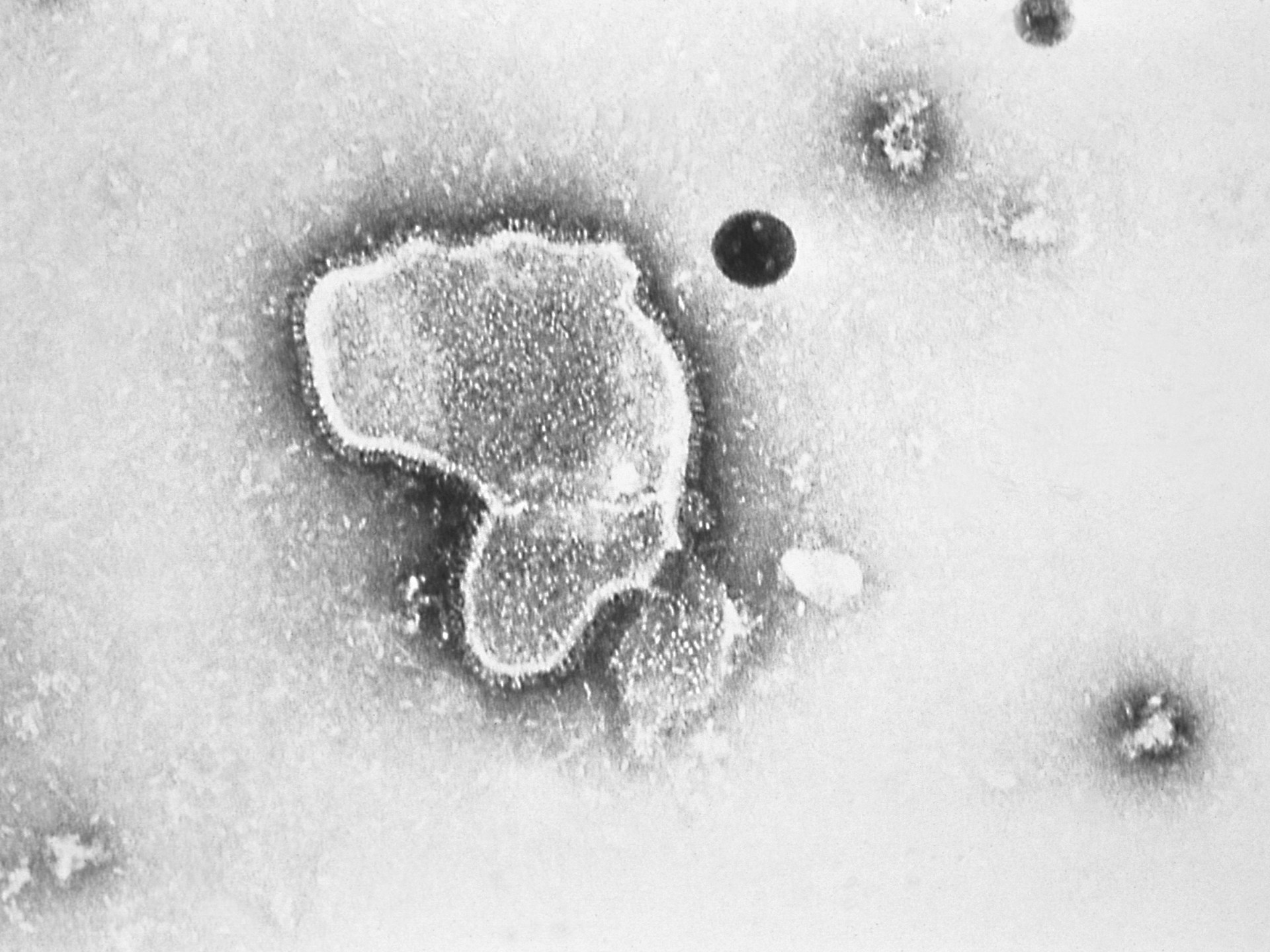
RSV, or respiratory syncytial virus, is a prevalent virus that spreads predominantly as a result of immediate get hold of or coughing. It commonly triggers mild signs or symptoms but can be harmful for young youngsters and aged men and women.

Throughout the United States, children’s hospitals are seeing a surge of RSV cases that are seriously straining their capability. As in the early times of the COVID-19 pandemic, some hospitals are making overflow tents to dwelling additional beds.

Sato, who has labored as a paediatric nurse for 12 yrs, said she has by no means witnessed these a higher range of RSV conditions, telling Al Jazeera that this 12 months feels “exceptionally overwhelming”. In advance of the surge, her ICU was previously beneath tension due to staffing shortages. Nurses in the ICU can have a highest of two people, and though the device physically has 24 beds, at situations they have had to restrict the range of loaded beds to 20 because there are not adequate team.

Now, with the RSV surge, Sato said it’s a battle to keep plenty of “wiggle room” for serious trauma individuals coming by way of the crisis home. In the past, respiratory illness patients built up 50 to 60 {515baef3fee8ea94d67a98a2b336e0215adf67d225b0e21a4f5c9b13e8fbd502} of those admitted, but this calendar year she believed they make up about 70 per cent.

Lower morale, mental anxiety and health issues have pushed droves of health care personnel to give up due to the fact the pandemic began.

https://www.youtube.com/view?v=1lgfq2d6NxU

“There started this serious continuous departure of nurses from our healthcare facility, but we’re listening to it occur everywhere you go,” Sato mentioned. “The domino result of the pandemic, nurses leaving, a [staffing] lack and the biological motives why there’s these types of a substantial RSV surge is developing this fantastic storm.”

COVID-19 isolation

Children’s hospitals and the American Academy of Pediatrics have named on the administration of US President Joe Biden to declare an unexpected emergency in excess of RSV. But the administration has not nonetheless performed so, telling NBC News that “public wellness emergencies are identified primarily based on nationwide data, science trends, and the perception of public well being experts”.

On Sunday, the country’s prime infectious illness specialist, Dr Anthony Fauci, told CBS that children’s hospitals in some areas were currently being confused: “When the nurses and the paediatric associations are expressing this is really essential, it is.”

The increase of the virus this tumble may possibly be related to the absence of contact among the youngsters who were being isolated during the pandemic, specialists explained to Al Jazeera. Daniel Rauch, the chief of paediatric hospital drugs at Tufts Medication, stated preschoolers aged two to 4 are generally much more resilient to RSV than infants, but this calendar year it is making them sicker than standard.

“There’s a speculation that the little ones acquiring it now, especially that preschool age group, are the young ones who didn’t get it very last 12 months and the calendar year right before in the pandemic, since they were isolated, and they weren’t all around other unwell young children, and they weren’t sharing all those viruses,” Rauch advised Al Jazeera.

A decrease in paediatric clinic beds over the final 20 decades is contributing to the existing disaster, he mentioned. US hospitals demand for the care they supply, and in typical, hospitals are paid out far more for an adult in a mattress than for a kid in a bed, since adults are much more likely to require methods that can be billed for, though youngsters generally only will need supportive treatment, this kind of as staying placed on a ventilator or becoming presented oxygen if they have a respiratory ailment.

“A hospital that operates on a incredibly skinny margin has to make a decision: Are we going to choose care of young ones and likely shed funds on that? Or are we likely to choose care of adults and make far more funds for it – and that will aid our treatment of everything else we do in the clinic? That is however pretty simple math for a large amount of healthcare facility directors,” Rauch explained.

“We’ve shed this potential about the very last pair decades, and it is since we really do not pay out for paediatric treatment like we do for adult care,” he additional. “And this is what happens when you don’t price caring for young children.”

Vaccine development

A single remaining, surprising issue is also contributing to the mattress scarcity, specialists say: the escalating mental wellness disaster amongst youthful persons.

The pandemic has led to elevated isolation and strain amongst children and teens, primary to larger charges of youthful men and women battling with psychological health problems these types of as melancholy and substance use condition – and individuals small children can close up in ICUs if they endeavor suicide, Rauch claimed.

“Five many years ago, I could have dealt with this surge improved for the reason that my beds weren’t crammed with little ones with behavioural health concerns … There’s no psych beds for them. They are just caught in the hospitals,” he reported. “So my capacity is essentially much fewer than it seems, due to the fact I have all these little ones with mental overall health concerns that I can not send any where else. It is the storm of blended occasions that have manufactured it really hard to have access to inpatient treatment.”

When there is no vaccine for RSV, the US pharmaceutical organization Pfizer has introduced it will post one for acceptance by the US Food items and Drug Administration by the close of the yr. The vaccine would be presented to expecting individuals who would then move antibodies to their infants.

Janet Englund, a professor of paediatrics and an infectious disease professional at Seattle Children’s Hospital, instructed Al Jazeera that her healthcare facility was also contributing exploration in the direction of the advancement of an RSV vaccine. “The vaccine may be obtainable to elderly higher-threat men and women by 2023 or 2024,” she claimed. Until then, Englund and other gurus recommend wearing a mask or keeping property when sick, in order to shield other people and cut down pressure on the health care method.

Sato claims she continuously concerns that she may possibly admit a person individual way too many, which means she would have to deny a mattress to an particularly sick kid. She also feels the ethical distress of possessing to push her employees, “when all I want to do is help them – for the reason that as the charge nurse, I have to hold this flowing”.

She endorses that men and women wash their palms, postpone social gatherings if they come to feel ill, and don masks.

“We’re not asking people today to mask for good,” Sato reported. “We’re just inquiring people to help the healthcare technique stay afloat, and if they could just have on their masks by this winter season, so that we really do not see a departure of burnt-out workers and see the whole method crumble.”

Montana health officials call out hospitals for too little charity : Shots

Montana health officials call out hospitals for too little charity : Shots

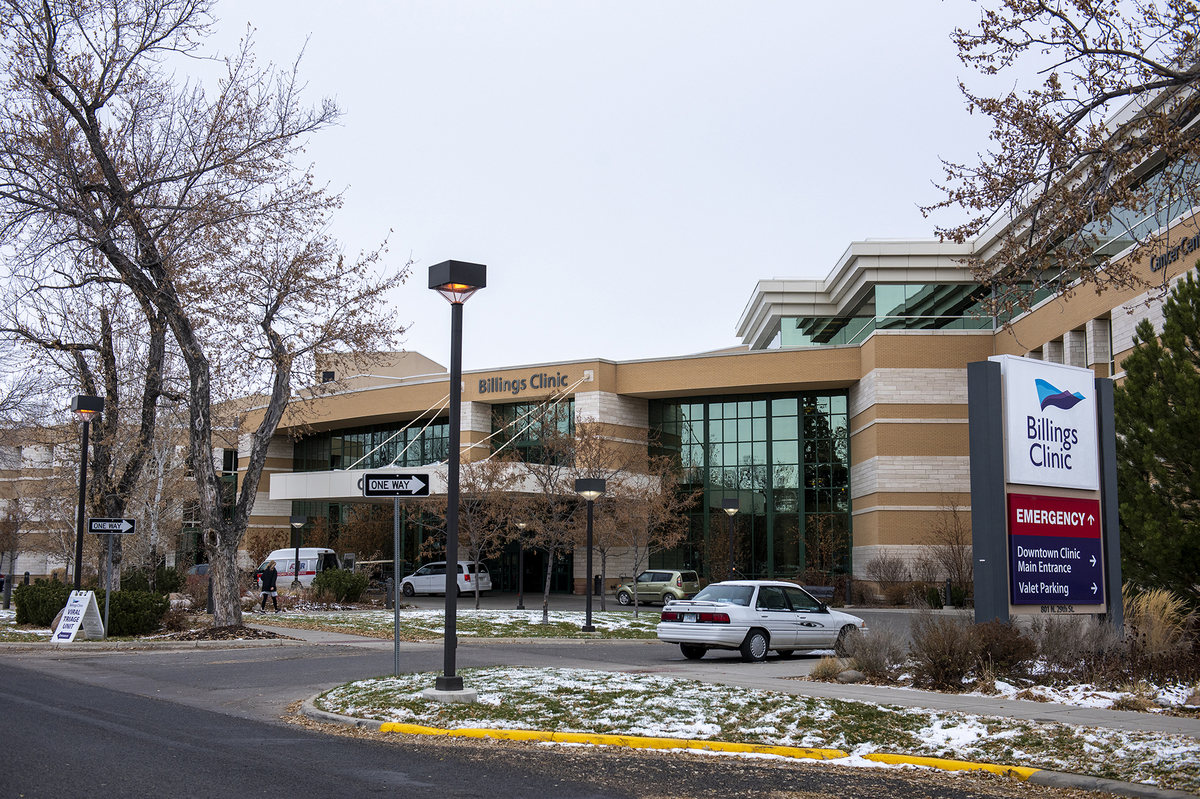
Montana health officials are seeking to increase oversight of nonprofit hospitals amid debate about whether they pay their fair share. The proposal comes nine months after a KHN investigation found that some of Montana’s wealthiest hospitals, such as the Billings Clinic, lag behind state and national averages in community giving.

Lynn Donaldson/Bloomberg via Getty Images


hide caption

toggle caption

Lynn Donaldson/Bloomberg via Getty Images


Montana health officials are seeking to increase oversight of nonprofit hospitals amid debate about whether they pay their fair share. The proposal comes nine months after a KHN investigation found that some of Montana’s wealthiest hospitals, such as the Billings Clinic, lag behind state and national averages in community giving.

Lynn Donaldson/Bloomberg via Getty Images

Montana health officials are proposing to oversee and set standards for the charitable contributions that nonprofit hospitals make in their communities each year to justify their access to millions of dollars in tax exemptions.

The proposal is part of a package of legislation that the state Department of Public Health and Human Services will ask lawmakers to approve when they convene in January. It comes two years after a state audit called on the department to play more of a watchdog role and nine months after a KHN investigation found some of Montana’s wealthiest hospitals lag behind state and national averages in community giving.

A call for more transparency in what counts as charity

Montana state Sen. Bob Keenan, a Republican who has questioned whether nonprofit hospitals deserve their charity status, calls the proposal a start that could be expanded on later.

“Transparency is the name of the game here,” Keenan says.

The IRS requires nonprofit hospitals to tally what they spend to “promote health” to benefit “the community as a whole.” How hospitals count such contributions to justify their tax exemptions is opaque and varies widely. National researchers who study community benefits have called for tightening standards for what counts toward the requirement.

Montana is one of the most recent states to consider imposing new rules or increasing oversight of nonprofit hospitals amid questions about whether they pay their fair share. Dr. Vikas Saini, president of the national health care think tank Lown Institute, says that both at a state and local level, people in California are exploring whether to monitor hospital community benefits and enforce new standards. Last year, Oregon initiated a minimum amount that nonprofit hospitals must spend on community benefits. And Massachusetts has updated its community benefits guidelines in recent years, pushing hospitals to give more detailed assessments of how the spending lines up with identified health needs.

Montana hospital industry officials say they want to work with the state to shape the proposed legislation, which they say the industry would support if it doesn’t conflict with federal rules. Saini says that to have an impact, any legislation would have to go beyond federal requirements.

Major tax breaks are at stake

In recent years, more people, like Keenan and Saini, have questioned whether nonprofit hospitals are contributing enough to their communities to deserve the major tax breaks they get while becoming some of the largest businesses in town.

“The hospitals are sort of the pillars of communities, but people are starting to ask these questions,” Saini says.

Saini’s institute reviews hospitals’ giving each year and has found that the majority of nonprofit systems nationwide spend less on what the institute calls “meaningful” benefits than the estimated value of their tax breaks. Actions the institute counts include financial aid to patients and community investments such as food assistance, health education or services offered at a loss, including addiction treatment.

The 2020 Montana audit found that hospitals in the state report benefits vaguely and inconsistently, making it difficult to determine whether their charity status is justified. However, state lawmakers didn’t address the issue in their 2021 biennial legislative session, and a Legislative Audit Division memorandum issued in June found the state health department had “made no meaningful progress” toward developing oversight of nonprofit hospitals’ charitable giving since then.

KHN found that Montana’s nearly 50 nonprofit hospitals directed roughly 8{515baef3fee8ea94d67a98a2b336e0215adf67d225b0e21a4f5c9b13e8fbd502} of their total annual expenses, on average, toward community benefits in the tax year that ended in 2019. The national average was 10{515baef3fee8ea94d67a98a2b336e0215adf67d225b0e21a4f5c9b13e8fbd502}.

In some cases, hospitals’ giving percentages have declined since then. For example, in the tax year that ended in 2019, Logan Health-Whitefish — a small hospital that’s part of the larger Flathead Valley health system — reported that less than 2{515baef3fee8ea94d67a98a2b336e0215adf67d225b0e21a4f5c9b13e8fbd502} of its overall spending went toward community benefits. In its latest available documents, for the period ending in 2021, the hospital reported spending less than 1{515baef3fee8ea94d67a98a2b336e0215adf67d225b0e21a4f5c9b13e8fbd502} of its expenses on community benefits while it made $15 million more than it spent.

An alternative to oversight?

Logan Health spokesperson Mellody Sharpton says the medical system’s overall community benefit is equal to nearly 9{515baef3fee8ea94d67a98a2b336e0215adf67d225b0e21a4f5c9b13e8fbd502} of its spending, reaching across its six hospitals. It also has clinics throughout the valley. “It’s important to consider our organization’s community benefit as a whole,” Sharpton says, “as our facilities collaborate to ensure the appropriate care is provided at the appropriate facility to meet our patients’ health needs.”

State health officials asked lawmakers to allow the agency to draft a bill that would give the health department clear authority to require hospitals to submit annual reports that include data on community benefit and charity care. The measure also would allow the department to develop standards for that spending on community benefit, according to the department’s description of its proposal.

“We see a great need here to move the ball forward,” state health department leader Charlie Brereton told lawmakers in August.

Montana Hospital Association President Rich Rasmussen says his organization wants to work with the health department in honing the legislation but says the definition of what counts as benefits should remain broad so hospitals can respond to their area’s most pressing needs.

Furthermore, he says, hospitals are already working on their own reporting standards. This year, the association created a handbook for members and set a 2023 goal for hospitals to uniformly report their community benefits, Rasmussen says. The association declined to provide a copy of the handbook, saying it would be available to the public once hospitals are trained on how to use it later this fall.

The association also plans to create a website that will serve as a one-stop shop for people who want to know how hospitals are reporting community benefits and addressing local health concerns, among other things.

Republican state Rep. Jane Gillette says she supports increased health department oversight and the idea behind the association’s website, but doesn’t think the hospital industry should produce that public resource alone. Gillette says she plans to introduce legislation to require hospitals to report community benefits data to a group outside the industry — such as the state — which would then post the information online.

Hospitals have resisted new rules like these in the past

In the past, hospitals have resisted attempts to impose new rules on community benefit spending. In an interview with KHN last year, Jason Smith, then Bozeman Health’s chief advancement officer, said the system supported efforts to improve reporting contributions “outside of new legislation,” adding that hospitals can do better work without “state oversight bodies being placed in the arena with us.”

Asked whether the health system still stands by that statement, Denise Juneau, Bozeman Health’s chief government and community affairs officer, says hospital officials hope any new legislation will align with existing federal guidelines. She says Bozeman Health will continue to work with the Montana Hospital Association to define and provide better information on community benefit, with or without new legislation.

A lawmaker would have to back the state’s proposal by mid-December to keep it alive.

KHN (Kaiser Health News) is a national, editorially independent project of the Kaiser Family Foundation.