COVID vaccine prices could quadruple : Shots

COVID vaccine prices could quadruple : Shots

A vial of the Moderna’s COVID-19 vaccine, Bivalent. Even though the shots are free to fairly substantially anybody who wishes a person in the U.S. as long as federal stockpiles hold out, the next update of the vaccine could possibly be costly for some persons who deficiency wellbeing insurance coverage.

RINGO CHIU/AFP by using Getty Photographs


conceal caption

toggle caption

RINGO CHIU/AFP by means of Getty Photographs


A vial of the Moderna’s COVID-19 vaccine, Bivalent. Even though the photographs are no cost to very substantially anybody who would like a person in the U.S. as prolonged as federal stockpiles hold out, the upcoming update of the vaccine might be costly for some men and women who deficiency health and fitness coverage.

RINGO CHIU/AFP by way of Getty Photographs

The U.S. governing administration paid about $10 billion in the early decades of the pandemic to produce and acquire Moderna’s COVID-19 vaccine as portion of Operation Warp Pace. So considerably, any American who wants the shot has compensated absolutely nothing out-of-pocket for it — the federal government has footed the invoice.

But the moment it really is time to swap to the following edition of the vaccine (expected to be personalized to no matter what pressure of the virus is circulating afterwards this 12 months), person sufferers will have to spend for the shot if their health and fitness insurance does not include it. The proposed price tag: approximately $130 per dose.

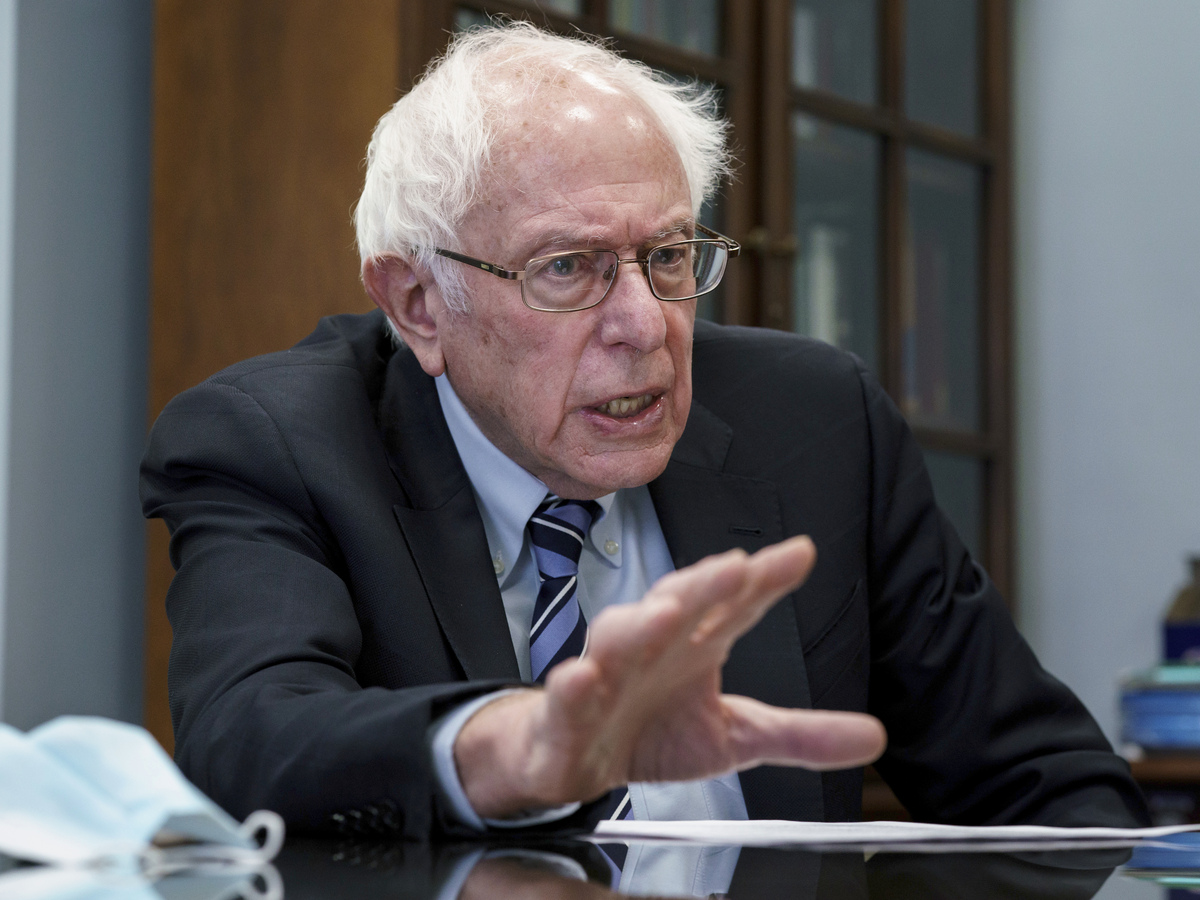
Sen. Bernie Sanders, for just one, is outraged.

“How is the CEO of this enterprise thanking the taxpayers of this country who are responsible for earning him and his colleagues exceptionally abundant?” Sanders asked rhetorically on the Senate flooring recently. “He is thanking them by proposing to quadruple the cost.”

Sanders chairs the Senate Committee on Wellness, Schooling, Labor and Pensions, which has known as Moderna CEO Stéphane Bancel in for questioning about the firm’s pricing plan on March 22.

The same day Bancel’s overall look prior to the committee was declared, Moderna reported it would supply the vaccine to uninsured or underinsured clients at no expense. This patient support software is established to commence in May perhaps.

Moderna’s shift is politically savvy, says Larry Levitt, govt vice president for health coverage at the Kaiser Relatives Foundation.

“This provides Bancel a talking position when he appears right before Bernie Sanders,” Levitt states. “I believe it blunts the criticism, but I feel there will nonetheless be a great deal of criticism.”

Drug businesses even now preserve prices high

Client guidance programs have lengthy been component of the drug sector playbook. They permit businesses to retain superior rates though diffusing some of the criticism. The hitch is that clients have to leap as a result of hoops to get these cost-free or discounted pharmaceutical merchandise.

Claire Hannan, govt director of the association of immunization managers, says paperwork and crimson tape can be a true issue.

“I assume folks are prepared to push via that if they will need to get a drug,” she suggests. Sufferers who are having pricey medicine for most cancers therapy or persistent conditions may possibly be struggling with hundreds or hundreds of dollars in drug expenditures around time, so it is worth it to them to go by way of even a intricate software method.

If someone’s not ill, the urgency just is not the exact, Hannan notes. “With the vaccine, you truly have to make that accessible and hassle-free for persons to get it.”

“This is now a quite challenging to attain team”

If it is really not simple to use for Moderna’s absolutely free vaccines, men and women could determine not to hassle.

“We are owning difficulties obtaining people today vaccinated and boosted” Levitt claims, “and individuals who are uninsured are the least very likely to be vaccinated. So this is already a pretty tricky-to-get to group. And it really is likely to get harder — even with this client guidance application.”

NPR questioned CVS and Walgreens whether or not they had programs to help people navigate the Moderna individual guidance system — since a whole lot of persons get vaccinated at pharmacies. CVS stated it did not have anything to share ideal now. Walgreens did not reply.

Hannan suggests for local clinics and overall health departments to be able to participate, there are two obstructions: buying the vaccine so it truly is there when clients request for it and getting staff to take care of the paperwork.

“Purchasing that first inventory can be a problem if they do not have vaccine,” Hannan states. “So hopefully Moderna is prepared to offer that.”

It really is not a shock that the vaccine’s selling price is about to go up.

“In essence it was like we experienced Medicare for All when it came to vaccines and now it’s again to the way our health and fitness system ordinarily performs,” says Levitt.

It truly is a small late to travel a really hard cut price

Drug market observers say the time for the federal government to generate a tough deal on upcoming pricing would have been in 2020 when Operation Warp Velocity was negotiating vaccine enhancement and buy contracts with drugmakers which includes Moderna, Pfizer, Johnson and Johnson and some others.

NPR reported on these contracts at the time, which include a tale about how Pfizer was powering on its original supply deadlines, but there was almost nothing the federal government could do about it.

Jamie Like, of Know-how Ecology Worldwide, a nonprofit advocacy team focused on social justice concerns, claims the federal government did not do a good work.

“It was all small time period contemplating,” Love claims. “It arrived out of a time period when the government was also variety of unwilling to even say anything at all about charges.”

And that’s established the phase for the vaccine pricing we’re seeing now, he states.

Pfizer executives explained to investors very last tumble that they prepared very similar commercial costs for their COVID-19 vaccine — in the array of $110 to $130 per dose. Pfizer tells NPR it also ideas a “affected person support” program to assist defray that charge. The firm opted out of the exact same level of federal guidance and involvement that Moderna been given through the early days of vaccine advancement, but it even now acquired some huge governing administration contracts. Johnson & Johnson, the 3rd Procedure Warp Speed drugmaker whose vaccine was designed available in the U.S., has not however announced a business rate for its vaccine.

Patient advocates push for aggressive crackdown on medical debt : Shots

Patient advocates push for aggressive crackdown on medical debt : Shots

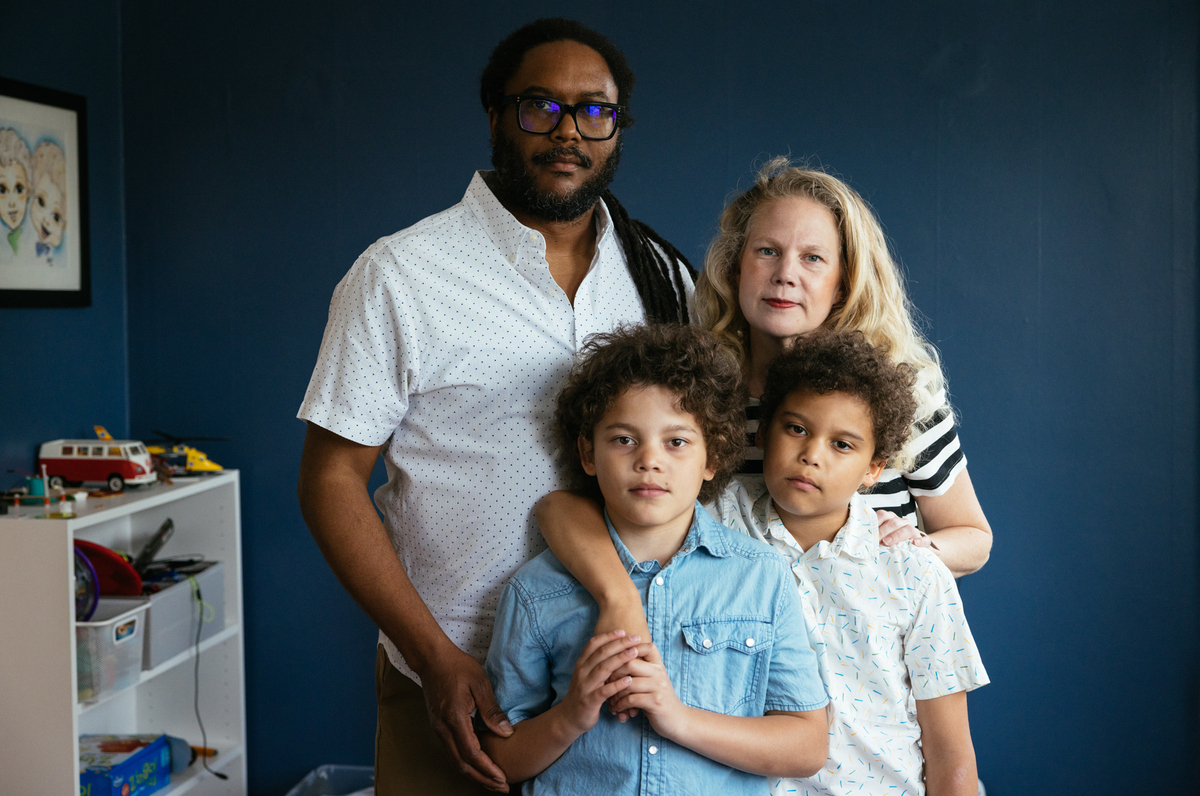
Marcus and Allyson Ward have been spending off a credit card debt dating again to the birth of their twins, Theo and Milo. They are amongst 100 million People with health-related credit card debt, in accordance to a KHN/NPR investigation.

Taylor Glascock for KHN and NPR


hide caption

toggle caption

Taylor Glascock for KHN and NPR


Marcus and Allyson Ward had been shelling out off a personal debt dating back again to the start of their twins, Theo and Milo. They are between 100 million Individuals with health care personal debt, according to a KHN/NPR investigation.

Taylor Glascock for KHN and NPR

Dozens of advocates for clients and individuals, citing common harm brought on by professional medical credit card debt, are pushing the Biden administration to choose more aggressive methods to defend Us citizens from health care bills and personal debt collectors.

In letters to the IRS and the Consumer Money Defense Bureau, the teams phone for new federal procedures that among other matters would prohibit personal debt for medically essential care from appearing on buyer credit rating reviews.

Advocates also want the federal govt to bar nonprofit hospitals from marketing affected person credit card debt or denying clinical treatment to men and women with earlier-because of expenditures, tactics that continue to be popular throughout the U.S., KHN identified.

And the teams are urgent the IRS to crack down on nonprofit clinic programs that withhold economic support from lower-earnings clients or make support cumbersome to get, an additional prevalent impediment KHN documented.

“Every single day men and women are possessing to make alternatives about housing and outfits and food items due to the fact of professional medical financial debt,” claims Emily Stewart, govt director of Group Catalyst, a Boston nonprofit main the exertion. “It’s seriously urgent the Biden administration consider action to set protections in position.”

Amongst the far more than 50 groups supporting the initiative are countrywide advocates these types of as the National Buyer Law Heart, the Arthritis Basis, and the Leukemia & Lymphoma Society.

Nationwide, 100 million persons have wellbeing treatment credit card debt, in accordance to a KHN-NPR investigation, which has documented a disaster that is driving People from their houses, draining their personal savings, and stopping tens of millions from accessing treatment they have to have.

When some of the debt appears on credit score stories, substantially of it is concealed elsewhere as credit rating card balances, financial loans from kin, or payment programs to hospitals and other health care vendors.

The scale of this difficulty and its toll have spurred numerous countrywide and point out endeavours.

Previous spring, the White House directed federal organizations to operate on relieving clinical money owed for veterans and to end contemplating clinical personal debt in assessing eligibility for some federally backed home loans.

California, Colorado, Maryland, New York, and other states have enacted new guidelines to increase client protections and involve hospitals inside their borders to enhance economical help. And the a few greatest credit companies — Equifax, Experian, and Transunion — mentioned they would cease which include some health care credit card debt on credit rating studies as of past July.

But a lot of shopper and patient advocates say the steps, while significant, continue to leave tens of millions of People in america susceptible to fiscal damage if they develop into sick or wounded. “It is vital that the CFPB consider extra action,” the groups write to the federal agency created in 2010 to bolster oversight of client financial merchandise.

The important credit history score providers, for case in point, agreed to exclude only debts that have been paid off and unpaid money owed of significantly less than $500. Patients with greater medical expenditures they can not pay may possibly continue to see their credit scores drop.

The teams also are inquiring the CFPB to do away with deferred fascination on health-related credit score cards. This arrangement is typical for vendors this kind of as CareCredit, whose financial loans carry no interest at first but can exceed 25{515baef3fee8ea94d67a98a2b336e0215adf67d225b0e21a4f5c9b13e8fbd502} if individuals you should not fork out off the bank loan in time.

Collection field officials have lobbied in opposition to broader constraints on credit rating reporting, stating limits would get away an critical tool that hospitals, physicians’ places of work, and other health care providers need to accumulate their cash and stay in business enterprise.

“We value the difficulties, but a wide ban on credit rating reporting could have some unintended effects,” explained Jack Brown III, president of Florida-based Gulf Coast Collection Bureau, citing the prospect of battling hospitals and other companies closing, which would lower care selections.

Brown, a previous president of ACA Global, the collection industry’s main trade affiliation, warned that extra health care vendors would also start out demanding upfront payment, putting supplemental stress on sufferers.

To further more shield sufferers from out-of-pocket costs like these, lots of advocates say hospitals, especially people that are exempt from taxes because they are intended to provide the neighborhood, need to make financial aid additional obtainable, a vital desire in the group’s letters. “For far too very long, nonprofit hospitals have not been behaving like nonprofits,” stated Liz Coyle, govt director of the nonprofit Georgia Observe.

Charity treatment is provided at most U.S. hospitals. And nonprofit professional medical units will have to give support as a affliction of becoming tax-exempt. But at several professional medical facilities, information about this assistance is challenging or not possible to discover.

Specifications also differ greatly, with help at some hospitals restricted to sufferers with money as lower as $13,590 a calendar year. At other hospitals, individuals generating 5 or six occasions that significantly can get support.

The outcome is prevalent confusion that has remaining numerous sufferers who really should have been qualified for assist with massive expenses as a substitute. A 2019 KHN analysis of healthcare facility tax filings identified that just about 50 percent of nonprofit health-related units were being billing clients with incomes minimal ample to qualify for charity treatment.

The teams are asking the IRS to concern regulations that would set prevalent requirements for charity treatment and a uniform software throughout nonprofit hospitals. (Present-day polices for charity treatment do not apply to for-gain or general public hospitals.)

The advocates also want the federal agency to reinforce restrictions on how much nonprofit hospitals can demand and to curtail aggressive selection practices these types of as foreclosing on patients’ residences or denying or deferring medical treatment.

Far more than two-thirds of hospitals sue people or choose other lawful motion in opposition to them, such as garnishing wages or positioning liens on assets, according to a current KHN investigation. A quarter sell patients’ debts to personal debt collectors, who in turn can go after patients for several years for unpaid charges. About 1 in 5 deny nonemergency care to people today with excellent personal debt.

“Charitable establishments, which have other solutions of assortment accessible to them, need to not be permitted to withhold wanted health care care as a means to stress individuals to pay,” the groups wrote.

KHN (Kaiser Health Information) is a nationwide, editorially unbiased plan of KFF (Kaiser Family Foundation).

How long should Texas extend Medicaid coverage after childbirth? : Shots

How long should Texas extend Medicaid coverage after childbirth? : Shots

When Victoria Ferrell Ortiz had her daughter in 2017, she was covered by a limited form of Medicaid in Texas — which ended just two months after she gave birth. Losing insurance so soon was stressful. She supports a push for Texas to extend Medicaid coverage for a full year after childbirth.

Yfat Yossifor / KERA


hide caption

toggle caption

Yfat Yossifor / KERA


When Victoria Ferrell Ortiz had her daughter in 2017, she was covered by a limited form of Medicaid in Texas — which ended just two months after she gave birth. Losing insurance so soon was stressful. She supports a push for Texas to extend Medicaid coverage for a full year after childbirth.

Yfat Yossifor / KERA

Victoria Ferrell Ortiz found out she was pregnant during the summer of 2017. The Dallas resident was finishing up an AmeriCorps job with a local nonprofit, which offered her a small living stipend but no health coverage. She applied for Medicaid so she could be insured during the pregnancy.

“It was a time of a lot of learning, turnaround and pivoting for me, because we weren’t necessarily expecting that kind of life change,” she says.

But applying for Medicaid didn’t come with an instruction manual. She was inundated with forms. She spent days on end on the phone trying to figure out what was covered, and where she could actually go to get care.

“That was a really huge privilege because it took so much time, and then sometimes the representative that I would speak to wouldn’t know the answer,” she says. “I would have to wait for a follow up and hope that they actually did follow up with me.”

More than 471,000 pregnant Texans are currently navigating that fragmented, bureaucratic system to find care. Medicaid provides coverage for about half of all births in the state — but the coverage is so paltry that many people lose eligibility not long after giving birth.

Medicaid covers about half of all births in Texas. During pregnancy, many rely on that Medicaid coverage to get access to everything they need — from doctor’s appointments to prenatal vitamins.

But pregnancy-related Medicaid coverage ends just two months after childbirth — and advocates and researchers say that strict cutoff contributes to high rates of maternal mortality and morbidity in the state. They support a bill moving through the current legislative session that would extend pregnancy Medicaid coverage for a full 12 months, postpartum.

What happened when Texas didn’t expand Medicaid

Texas is one of 11 states that has chosen not to expand Medicaid to its population of uninsured adults — that’s a benefit offered under the Affordable Care Act, with 90{515baef3fee8ea94d67a98a2b336e0215adf67d225b0e21a4f5c9b13e8fbd502} of the cost paid for by the federal government. That leaves more than 770,000 Texans in a coverage gap — they don’t have any job-based insurance, nor do they qualify for subsidized coverage on HealthCare.gov, the federal insurance marketplace. In 2022, 23{515baef3fee8ea94d67a98a2b336e0215adf67d225b0e21a4f5c9b13e8fbd502} of women between the ages of 19-64 were uninsured in Texas.

Pregnancy Medicaid helps fill the gap, temporarily. Close to half a million Texans are currently enrolled in the program. The majority are Hispanic and Latinx women between the ages of 19 and 29.

Undocumented Texans and lawfully present immigrants are not eligible, though they can get different coverage which ends immediately when the baby is born.

In states where the Medicaid expansion has been adopted, coverage is available to all adults with incomes below 138{515baef3fee8ea94d67a98a2b336e0215adf67d225b0e21a4f5c9b13e8fbd502} of the federal poverty level. For a family of three, that means an income of $34,307 a year.

But in Texas, childless adults don’t qualify for Medicaid at all. Parents can be eligible for Medicaid if they’re taking care of a child who receives Medicaid, but the income limits are low. For a three-person household with two parents, they can’t make more than $251 a month.

The pregnancy-related Medicaid in Texas is available to individuals who make under $2,243 a month. It lasts through pregnancy and two months after giving birth, covering everything from prenatal visits to postpartum check-ups.

For Ferrell Ortiz, the hospitals and clinics that accepted Medicaid near her in her Dallas neighborhood felt “uncomfortable, uninviting…and a space that wasn’t meant for me,” she says. But she did find out that Medicaid would pay for her to give birth at an enrolled birthing center.

“I went to Lovers Lane Birth Center in Richardson,” she says. And I’m so grateful that I found them because they were able to connect me to other resources that the Medicaid office wasn’t.”

Ferrell Ortiz was glad she had found a welcoming and supportive birth team. But the Medicaid coverage ended not long after her daughter arrived — just two months after giving birth. She says losing insurance when her baby was so young was stressful.

“The two months’ window just puts more pressure on women to wrap up things in a messy and not necessarily beneficial way.”

In the 2021 legislative session, Gov. Greg Abbott signed a bill extending pregnancy Medicaid coverage from two months to six months postpartum.

That extension was denied by the federal government in the fall of 2022; The Texas Tribune reported some legislators believed the application was rejected “because of language that could be construed to exclude pregnant women who have abortions, including medically necessary abortions.”

The state’s Maternal Mortality and Morbidity Review Committee is tasked with producing statewide data reports on causes of maternal death and intervention strategies. Members of that committee, along with advocates and legislators, are hoping this year’s legislative session extends pregnancy Medicaid to 12 months postpartum.

Lack of health care coverage led to worse outcomes for pregnant people in Texas

Kari White, an associate professor at the University of Texas at Austin, says the bureaucratic challenges Ferrell Ortiz experienced are common for pregnant Texans on Medicaid.

In Texas, maternal health care and Pregnancy Medicaid coverage “is a big patchwork with some big missing holes in the quilt,” says White, who is also the lead investigator with the Texas Policy Evaluation Project (TxPEP).

TxPEP studies the various impacts that state policy has on people’s reproductive health. A March 2022 TxPEP study surveyed close to 1,500 pregnant Texans on public insurance. It found that “insurance churn” — when people lose health insurance in the months after giving birth — led to worse health outcomes and problems accessing postpartum care.

“People are either having to wait until their condition gets worse, they forgo care, or they may have to pay out of pocket,” White says. “There are people who are dying following their pregnancy for reasons that are related to having been pregnant, and almost all of them are preventable.”

For example, chronic disease accounted for almost 20{515baef3fee8ea94d67a98a2b336e0215adf67d225b0e21a4f5c9b13e8fbd502} of pregnancy-related deaths in Texas in 2019, according to the latest report from the Texas Maternal Mortality and Morbidity Review Committee (MMMRC). Chronic disease includes conditions such as high blood pressure and diabetes.

The report determined at least 52 deaths were related to pregnancy in Texas during 2019. Serious bleeding (obstetric hemorrhage) and mental health issues were among the top causes of death.

“This is one of the more extreme consequences of the lack of health care,” White says.

Black Texans, who make up close to 20{515baef3fee8ea94d67a98a2b336e0215adf67d225b0e21a4f5c9b13e8fbd502} of pregnancy Medicaid recipients, are also more than twice as likely to die from a pregnancy-related cause than their white counterparts, which is a statistic in Texas that has held true for close to ten years with little change, according to the MMMRC report.

Stark disparities such as that can be traced to systemic issues, including the lack of diversity in medical providers; socioeconomic barriers for Black women such as cost, transportation, lack of childcare and poor communication with providers; and even shortcomings in medical education and providers’ own implicit biases — which can “impact clinicians’ ability to listen to Black people’s experiences and treat them as equal partners in decision-making about their own care and treatment options,” according to a recent survey.

Maternal health bills moving in the 2023 Texas legislature

Diana Forester, the director of health policy for the statewide organization Texans Care for Children, says Medicaid coverage for pregnant people is a “golden window” to get care.

“It’s the chance to have access to healthcare to address issues that maybe have been building for a while, those kinds of things that left unaddressed build into something that would need surgery or more intensive intervention later on,” she says. “It just feels like that should be something that’s accessible to everyone when they need it.”

Extending health coverage for pregnant people, she says, is “the difference between having a chance at a healthy pregnancy versus not.”

As of February, 29 states have adopted a 12-month postpartum coverage extension so far, according to a Kaiser Family Foundation report, with 7 states planning on implementing this extension in the future.

“We’re behind,” Forester says of Texas. “We’re so behind at this point.”

“I feel like the momentum is there”

Many versions of bills that would extend pregnancy Medicaid coverage to 12 months have been filed in the legislature this year, including House Bill 56 and Senate Bill 73. Forester says she feels “cautiously optimistic.”

“I think there’s still going to be a few little legislative issues or landmines that we have to navigate,” she says. “But I feel like the momentum is there.”

Ferrell Ortiz’s daughter is turning 5 this year. Amelie is artistic, bright, and vocal in her beliefs. When Ortiz thinks back on being pregnant, she remembers how hard a year it was, but also how much she learned about herself.

“Giving birth was the hardest experience that my body has physically ever been through,” she says. “It was a really profound moment in my health history — just knowing that I was able to make it through that time, and that it could even be enjoyable — and so special, obviously, because look what the world has for it.”

She just wishes people, especially people of color giving birth, could get the health support they need during a vulnerable time.

“If I was able to talk to people in the legislature about extending Medicaid coverage, I would say to do that,” she says. “It’s an investment in the people who are raising our future and completely worth it.”

Secrecy shrouds troubled state psychiatric hospital in Montana : Shots

Secrecy shrouds troubled state psychiatric hospital in Montana : Shots

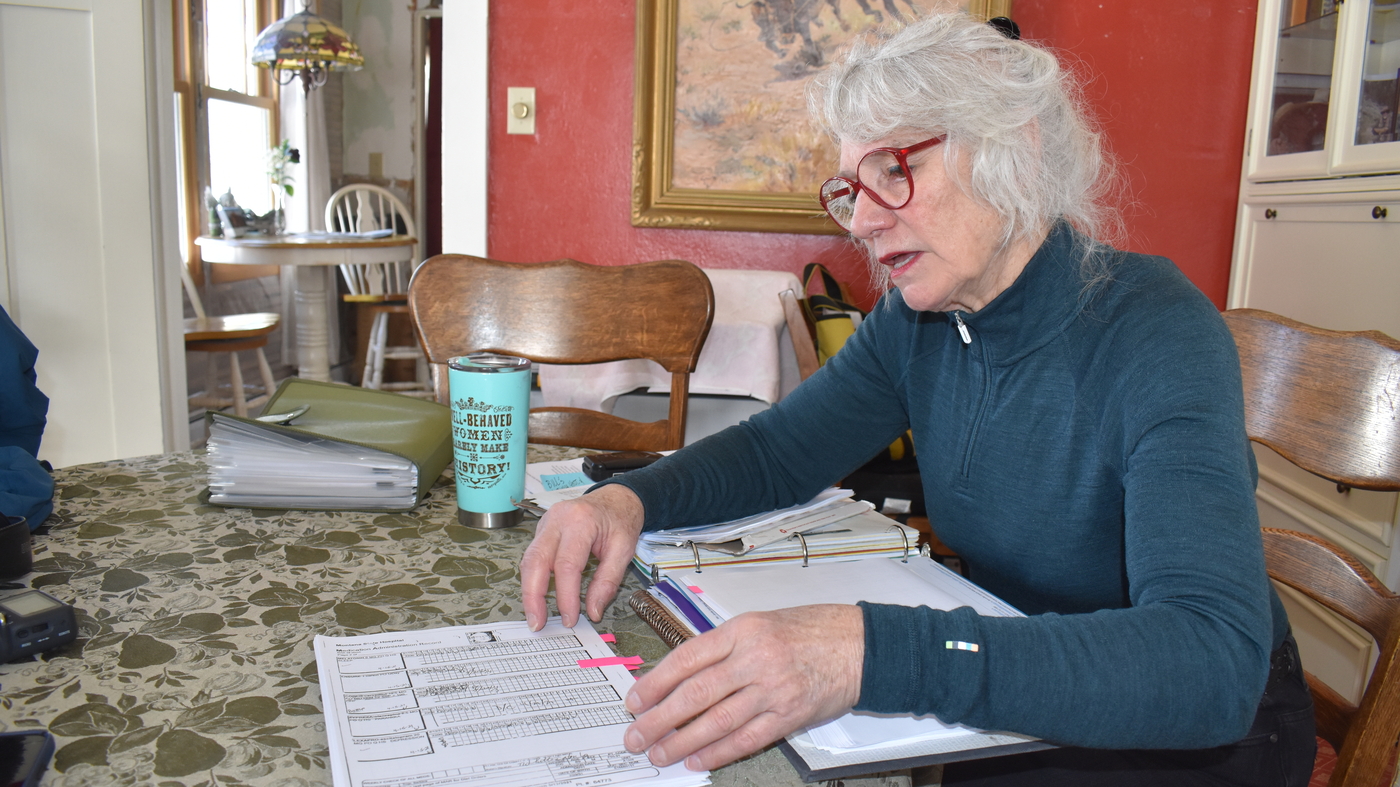
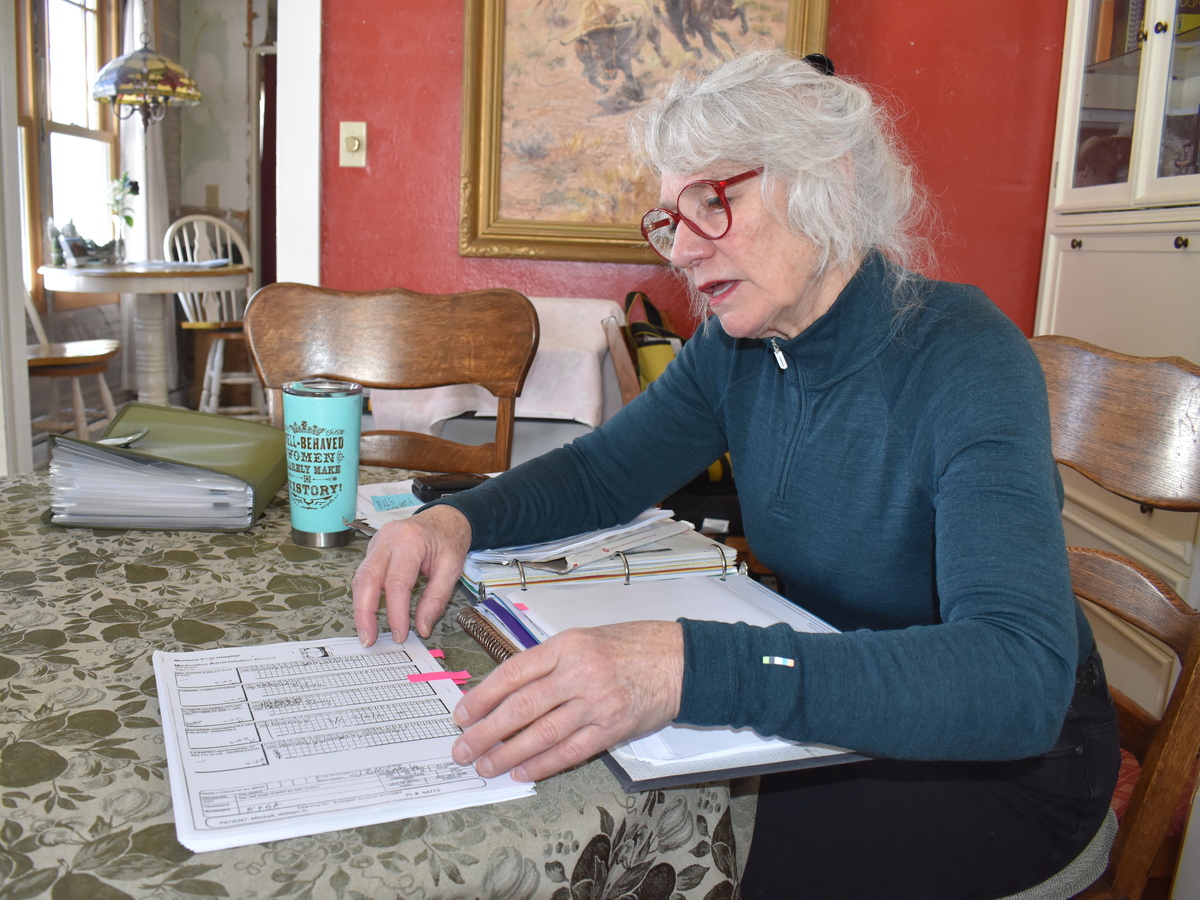
Jennifer Mitchell thumbs through her husband’s medical records from his time at the Montana State Hospital. Records show doctors took Mitchell’s husband off some of his congestive heart failure medications. Mitchell says she was never consulted.

Aaron Bolton/Montana Public Radio


hide caption

toggle caption

Aaron Bolton/Montana Public Radio


Jennifer Mitchell thumbs through her husband’s medical records from his time at the Montana State Hospital. Records show doctors took Mitchell’s husband off some of his congestive heart failure medications. Mitchell says she was never consulted.

Aaron Bolton/Montana Public Radio

BUTTE, Mont. — Jennifer Mitchell remembered getting a call nearly two years ago that her 69-year-old husband, Bill, had crashed his car and had been committed to the Montana State Hospital, the state-run psychiatric hospital for adults about 20 miles from their home in Butte.

Physicians thought Bill Mitchell had dementia and could be a danger to himself or others, according to medical records. But once he was admitted, his wife really began to worry. She couldn’t visit him because of covid-19 restrictions, and she couldn’t get details about the care or the medicine he was receiving.

“I tried to get an idea of what he was taking, not taking. I could not get answers,” Jennifer said.

When Bill was discharged after 60 days, Jennifer discovered he had been taken off some of his congestive heart failure medications. A month later, he went into cardiac arrest and was moved to hospice care. He died on July 30, 2021, a day after his 70th birthday.

The psychiatric hospital in southwestern Montana has been under scrutiny since the federal Centers for Medicare & Medicaid Services decertified it in April 2022 following investigations into patient deaths and assaults. Federal officials found in the investigations that the hospital had failed to meet Medicare’s “basic health and safety requirements.”

Mitchell said that she was infuriated by the lack of transparency around her husband’s care and that she hoped decertification would force a change for the better. But it’s had the opposite effect. When federal oversight and funding of the Montana State Hospital was removed, so too was the ability of the public to learn details surrounding patient deaths and injuries.

Between April’s decertification and the end of December, five Montana State Hospital patients have experienced severe injuries requiring immediate medical care or hospitalization, and there have been eight substantiated abuse and neglect reports, Montana Department of Public Health and Human Services spokesperson Jon Ebelt said.

Six patients died in that period in the 174-bed hospital, though Ebelt declined to say how many deaths were investigated or if any deaths were deemed preventable.

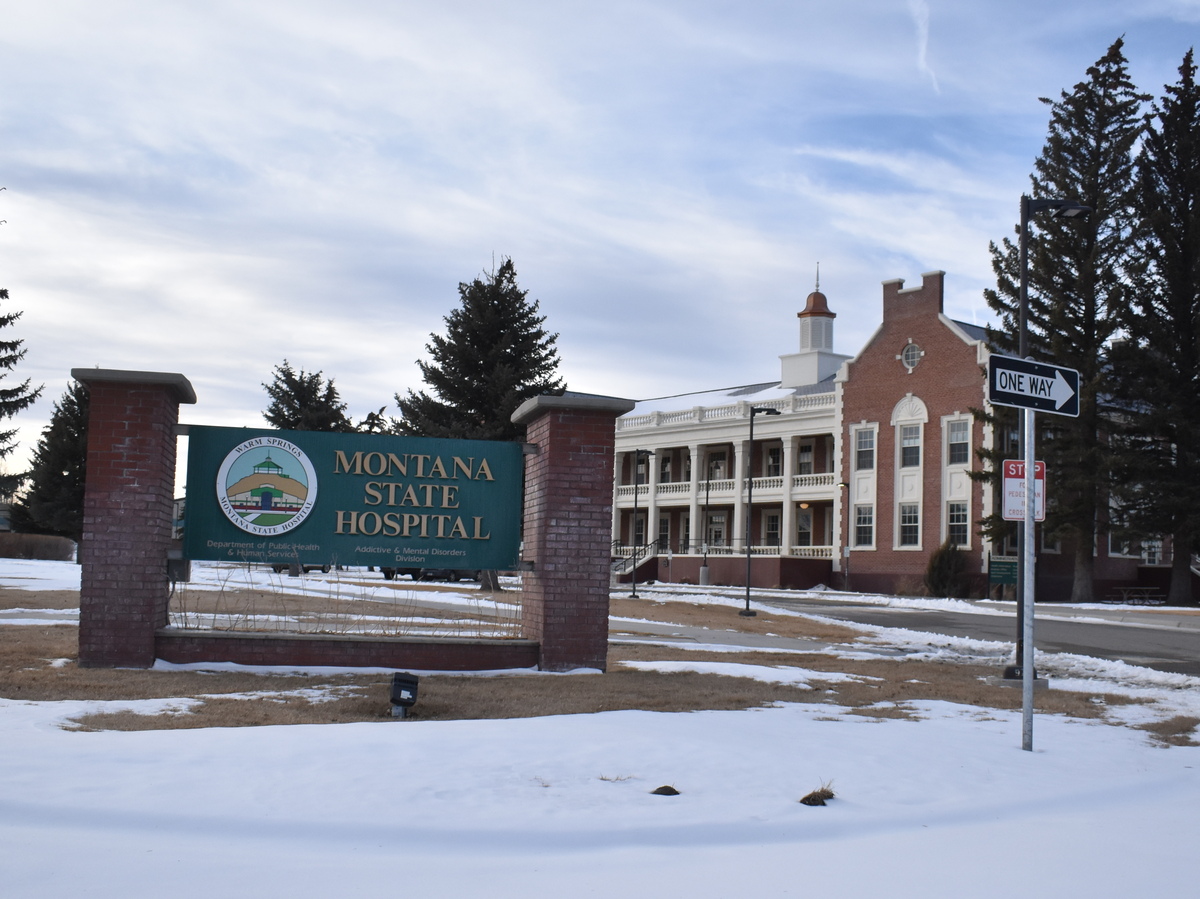
The Montana State Hospital in Warm Springs, Montana, lost federal funding in April 2022 after an investigation into four patient deaths and a violent patient-on-patient assault.

Aaron Bolton/Montana Public Radio


hide caption

toggle caption

Aaron Bolton/Montana Public Radio


The Montana State Hospital in Warm Springs, Montana, lost federal funding in April 2022 after an investigation into four patient deaths and a violent patient-on-patient assault.

Aaron Bolton/Montana Public Radio

The circumstances surrounding all those incidents are not publicly known. That’s because, unlike federal investigations, state-level investigations are not public record.

The state health department denied a public records request for all investigations into Montana State Hospital patient deaths, injuries, and assaults since losing federal certification. Ebelt cited a Montana law that says any records about providing treatment to the seriously mentally ill are confidential and privileged.

States vary widely in what information about abuse and neglect at state-run medical facilities is made public, said David Hutt, deputy executive director for legal services for the National Disability Rights Network.

Hutt noted that the lack of transparency at the Montana State Hospital is unique because it lost federal certification and oversight, which is extremely rare.

State-hired contractors have produced public reports highlighting improvements at the Montana State Hospital, such as a reduction in falls among geriatric patients. But those reports don’t disclose information related to patient deaths, severe injuries, or substantiated abuse and neglect cases, which had led to decertification in the first place.

The lack of information frustrates some lawmakers as they consider state health officials’ and Republican Gov. Greg Gianforte’s request for a $300 million appropriation to overhaul the state’s mental health system and a nearly $20 million request for capital improvements and CMS recertification efforts at the state hospital.

“We’ve stabilized MSH since that decertification with a change in leadership and with no significant increase in deaths, serious injuries, or substantiated abuse or neglect allegations,” state health department Director Charlie Brereton told state senators during his recent confirmation hearing.

State Democratic Rep. Mary Caferro, who serves on committees considering funding requests and other legislation to reform the state hospital, likened the current level of oversight at the state hospital to the fox watching the henhouse.

“The legislature, when we have good information, thorough information, we make better policy that’s in the best interest of the people we represent,” Caferro said.

Mental health experts agree with Caferro.

“We should know the answers to whether people in the hospital are safe,” said Ben Miller, a clinical psychologist and former president of Well Being Trust, a national foundation focused on mental health care.

A bill that passed through the Montana Senate and is before the House would automatically send all abuse and neglect reports at the state hospital to Disability Rights Montana within five days of an incident. The nonprofit is the federally designated advocacy and watchdog organization for people with disabilities in the state. It recently released a report detailing how some patients were discharged to homeless shelters.

Bernie Franks-Ongoy, the organization’s executive director, said that Disability Rights Montana hopes to be able to share general information from the reports with lawmakers and the public, but noted that state law significantly limits what can be made public. Caferro said she’ll seek to amend the bill to make redacted versions of the reports available to lawmakers and the public.

The Montana Mental Disabilities Board of Visitors also has regular access to the facility and patient records, but its last inspection of the state hospital was in 2019 and the next inspection isn’t expected until next year.

Some lawmakers call the oversight adequate.

“I don’t worry so much about the administration at the hospital hiding anything because they really do have the light shown on them constantly with [Disability Rights Montana] and the Board of Visitors,” said Republican Rep. Bob Keenan, who chairs the committee considering funding requests for the state hospital and the state’s mental health system.

Jennifer Mitchell looks through pictures of travels with her husband, Bill. After Bill was discharged from the Montana State Hospital, Jennifer discovered he was taken off some of his congestive heart failure medications. He later suffered a cardiac arrest and died in hospice care.

Aaron Bolton/Montana Public Radio


hide caption

toggle caption

Aaron Bolton/Montana Public Radio


Jennifer Mitchell looks through pictures of travels with her husband, Bill. After Bill was discharged from the Montana State Hospital, Jennifer discovered he was taken off some of his congestive heart failure medications. He later suffered a cardiac arrest and died in hospice care.

Aaron Bolton/Montana Public Radio

Keenan and Gianforte blame the current conditions at the facility and loss of CMS certification at the state hospital on prior Democratic administrations. Federal officials noted serious deficiencies at the Montana State Hospital in 2017, but federal officials later deemed those issues resolved.

If lawmakers approve the mental health funding requests, the administration plans to open two lower-level mental health facilities in the coming years to reduce demand at the state hospital. However, the hospital would remain a key fixture of Montana’s mental health system, according to state health officials. Mental health advocates and many lawmakers agree the state hospital should be saved.

Jennifer Mitchell, the woman whose husband died shortly after his discharge from the state hospital, thinks the hospital is beyond repair and worries more patients will die at the facility. She reflected on how hospital officials frequently changed her husband’s medication in response to his depression and refusal to eat, and said she believes her husband would still be alive today if he hadn’t been committed there.

“There were just so many little mistakes or little things that could have been different, and it would have been a totally different outcome,” she said.

This story is from of NPR’s partnership with Montana Public Radio and KHN. KHN (Kaiser Health News) is a national newsroom that produces in-depth journalism about health issues.

Bringing Medicaid behind bars has wide bipartisan support : Shots

Bringing Medicaid behind bars has wide bipartisan support : Shots

When he was in prison, Lee Reed was in agonizing back pain. His doctors there told him he needed back surgery, but because he was so close to his release date, they said he’d have to get it done on the outside. Reed saw that surgery as his ticket to being able to get a job and effectively reenter society.

Amy Osborne for Tradeoffs


hide caption

toggle caption

Amy Osborne for Tradeoffs


When he was in prison, Lee Reed was in agonizing back pain. His doctors there told him he needed back surgery, but because he was so close to his release date, they said he’d have to get it done on the outside. Reed saw that surgery as his ticket to being able to get a job and effectively reenter society.

Amy Osborne for Tradeoffs

Lee Reed spent his first night after getting out of a state prison sleeping in the stairwell of a parking garage in downtown San Francisco.

Just a few days shy of his 62nd birthday, Reed had nowhere else to go. During his two decades in prison, his mom and wife had died, and he’d lost touch with most of his family.

“I had nothing. I had nobody,” Reed said.

But he wasn’t alone on that first night. He had the same companion he’d had for years: agonizing back pain.

“Imagine somebody standing on your foot, and you can’t stop that pain,” Reed said. “It’s going to be there when you wake up. It’s going to be there when you go to sleep. Half the time I never even got out of bed while I was in prison because I couldn’t stand up, it was so painful.”

Reed’s doctors in prison told him he needed back surgery, but because he was so close to his release date, they said he’d have to get it done on the outside. Reed saw that surgery as his ticket to being able to get a job and effectively reenter society.

But without health insurance or a support network, being able to do any kind of work seemed impossible as he laid down in the concrete stairwell, his prison-issued walker his only blanket.

“I was tired, and I was literally ready to give up,” Reed said.

Medicaid can be a bridge to a healthy life outside

Around 600,000 people leave prison in the U.S. every year, and another 10 million are released from county jails. Like Reed, many of them suffer from chronic physical, mental and substance use conditions. Research shows they are also at an extremely high risk of hospitalization and death; one study from Washington state found that recently incarcerated people were 12 times more likely to die in their first two weeks after release from prison than the general population.

That’s why in January, federal health officials for the first time signed off on having Medicaid pay for services for some people in state or local jails, prisons or juvenile facilities. The goal is to use the time before someone leaves a corrections facility to connect them with medical providers in the community and limit any disruption in their care as they transition out of incarceration.

Most people who are incarcerated are eligible for Medicaid based on their low income, but a provision known as the “inmate exclusion policy” prohibits federal Medicaid dollars from being spent on a person’s care while incarcerated. (The only exception is for an overnight hospital stay.) Many counties and states try to connect people to Medicaid as soon as they’re released, but it can be a bureaucratic nightmare, and even if it works, people often have other priorities like finding a job, food and a place to live.

Some states like Arizona require private Medicaid plans to connect with incarcerated people before they are released, which state officials say helps individuals get care more quickly when they get out. And small pilot programs in California and New Mexico showed offering care coordination before release led to more primary care visits, less recidivism and fewer ER trips. But the inmate exclusion policy remains a significant barrier.

In 2018, Congress directed federal health officials to help states figure out a better transition plan for people leaving incarceration. Since then, 15 states from across the political spectrum have asked the Centers for Medicare and Medicaid Services to let them test what would happen if they turned Medicaid on before people leave jail, prison and juvenile facilities. In January, California became the first state to get the green light.

“We hope that what we are approving today is an exciting model for what we are able to partner [on] with states across the country,” said Dan Tsai, deputy administrator and director of the Center for Medicaid and CHIP Services at CMS.

States are taking differing approaches

All of the proposals pending before CMS share a common goal: bridging care between incarceration and the community for the more than 10 million people who leave incarceration each year. Many policymakers also see this as a way to improve health equity — people of color are disproportionately incarcerated in the U.S.

In theory, getting people connected to care sooner and keeping them on their medications should improve health outcomes and, over time, help state Medicaid programs save money, because fewer people will end up needing expensive hospital and ER visits. But with limited previous experience to guide them, states are having to guess at the best way to use finite Medicaid dollars when it comes to who should receive these new benefits, what benefits they should receive and when those benefits should start.

“If you are providing and paying for the Medicaid services, you want to ensure that you are focused on those that truly need it,” said California Medicaid Director Jacey Cooper.

Most states, including California, would limit eligibility to incarcerated people with documented health needs, such as chronic physical and mental health conditions or substance use disorder. Cooper estimates around 70{515baef3fee8ea94d67a98a2b336e0215adf67d225b0e21a4f5c9b13e8fbd502} of people incarcerated in California meet this criteria.

In West Virginia and Kentucky, only people with a substance use disorder would be eligible, as part of those states’ broader efforts to address addiction. Research shows drug overdose is one of the most common ways people die after leaving prison, with studies suggesting returning prisoners are 40 to 129 times more likely to fatally overdose in their first two weeks after release.

Rhode Island, Vermont, Washington and Oregon would offer pre-release services to everyone in jail and prison who is eligible for Medicaid.

“The odds are so high that people in that situation are going to need the support that it didn’t seem to make sense to us to be trying to distinguish who did and who did not meet some threshold or have a particular condition,” said Amy Katzen, the director of policy and strategy for Rhode Island’s Medicaid program.

Rhode Island is one of four states — along with Massachusetts, Utah and Vermont — that would offer people soon to leave jails and state prisons the same Medicaid benefits as anyone else in the community.

“This is going to be so complicated to implement,” said Mike Levine, director of MassHealth, Massachusetts’ Medicaid program. “When we finally do, there’s something to be said for just if you are a MassHealth member, you’re getting the MassHealth benefit.”

The other 11 states would offer a more limited set of services for people in the weeks or months before they leave incarceration, focused on transitioning someone back into the community. Services would include connecting them to new doctors, making sure they can get their prescriptions filled and helping them find housing.

In most of these states’ proposals, services like addiction treatment and daily medications would continue to be provided and paid for by the jail or prison. However, Rahul Gupta, the director of the White House Office of National Drug Control Policy, said on Tuesday that states would be required at a minimum to provide mental health and drug treatment services in this pre-release period. CMS would not confirm Gupta’s statement and said the agency plans to release further guidance for states soon.

Some advocates believe Medicaid should take a larger role in health care during incarceration, pointing to numerous reports of inadequate and negligent health care behind bars.

“I’ve seen people wither away — literally, people who were 280 pounds solid, healthy-looking individuals, wither all the way down to skin and bones. And that was because something that they had was diagnosed late or was misdiagnosed in the beginning,” said Khalil Cumberbatch, who served 6½ years in a New York prison before becoming the director of strategic partnerships at the Council on Criminal Justice.

For now, states are unwilling to go that far. Most are asking for Medicaid to start paying for services 30 days before someone is released, but a few have asked for more, including California, which has been approved to start coverage 90 days pre-release. Medicaid Director Cooper said that’s a more realistic window to build a trusting clinical relationship with someone, get all their appointments set up and make sure they have everything they need before they’re released.

Medicaid experts suggested the quickest way for the other 14 states to win CMS approval may be to follow California’s lead on these questions, but they believe federal health officials might want to let states make different choices so they can gather more evidence about what works best.

Implementation challenges await

In California, the first incarcerated people won’t receive Medicaid services until April 2024, Cooper said, with full implementation expected to take until 2026. That’s in part due to the daunting task of integrating the health care and criminal justice systems. The state asked for and received $561 million from the federal government to help providers and correctional facilities build up the infrastructure to do things like share data and bill appropriately.

Massachusetts’ Mike Levine said his team has been working closely with law enforcement and corrections officials for years. “You can’t wait to engage correctional partners when it’s time to implement,” Levine said. “They have to be involved in the policy design because this is going to require so much change within their workflows and their daily business that they have to be at the table.”

Advocates insist that people who are incarcerated or formerly incarcerated need to be included in these conversations too. “If we want people to use that Medicaid card to engage in services in the community, we need to ask them, what is it you need? How can we support you best in coming home?” said Shira Shavit, a professor of family and community medicine at the University of California San Francisco and executive director of the Transitions Clinic Network, which specializes in caring for people post-incarceration.

Including those perspectives, Shavit said, could prevent unintended consequences, like people becoming less likely to engage with Medicaid because they see it as a part of a criminal justice system they don’t trust.

Help came late, but Reed has hope for the future

This entire conversation is coming too late for Lee Reed. No one reached out to him before he got out of prison. He spent two days sleeping in that parking garage stairwell before a security guard pointed him toward a nearby homeless shelter.

A few weeks later, a doctor at the shelter restarted Reed’s medications for diabetes and high blood pressure, and referred him to a specialist who scheduled his back surgery for early 2023 — more than six months after Reed had been released from prison.

Six months after he was released, Reed finally got his back surgery. He’s in less pain now, but he’s still homeless, jobless and struggling to find purpose in his life.

Amy Osborne for Tradeoffs


hide caption

toggle caption

Amy Osborne for Tradeoffs


Six months after he was released, Reed finally got his back surgery. He’s in less pain now, but he’s still homeless, jobless and struggling to find purpose in his life.

Amy Osborne for Tradeoffs

But his pain continued to get worse. The constant agony and Reed’s inability to support himself took a toll on his mental health, occasionally making him wonder if his life was worth living.

“Who would want to live this? This is horrible, man,” he said. “I can’t do anything to protect myself. I can’t do anything to feed myself. How the hell am I a man?”

The doctor at the shelter referred Reed to Shira Shavit’s Transitions program at the Southeast Family Health Center, a community clinic run by the San Francisco Department of Public Health. Shavit prescribed a medication patch for Reed’s back and scheduled follow-up appointments for his diabetes. The program also gave him a bag of groceries, a bus card and ordered him a winter coat.

“When people come out of prison, they have so many needs,” Shavit said. “[We’re] just trying to bring people to the starting line to kind of get them to where they need to be to then even start to be able to become successful in the community.”

Reed finally got his surgery at the end of January, the day after CMS approved California’s request to bring Medicaid behind bars. He’s in less pain now and dreams of moving back to Arkansas to spend time with his grandchildren.

But his challenges are far from over. He’s still living at the homeless shelter without a job and struggling to find purpose. He said if someone had reached out to him before he left prison and helped him get his surgery sooner, there’s a better chance he’d be supporting himself by now.

“I’m trying to keep a positive attitude on everything because my whole world feels like it’s falling apart,” he said a week after his surgery. “I have no control over my own life right now. I’m just like a child. I’m just helpless.”

This story comes from the health policy podcast Tradeoffs. Dan Gorenstein is Tradeoffs’ executive editor, and Ryan Levi is a reporter/producer for the show, where a version of this story first appeared.


Bernie Sanders chairs Senate committee looking to fix the health worker shortage : Shots

Bernie Sanders chairs Senate committee looking to fix the health worker shortage : Shots

Sen. Bernie Sanders, I-Vt., is chairing the Senate’s top health committee which is targeted on solving the U.S. health care employee scarcity.

J. Scott Applewhite/AP


cover caption

toggle caption

J. Scott Applewhite/AP


Sen. Bernie Sanders, I-Vt., is chairing the Senate’s top wellbeing committee which is concentrated on fixing the U.S. wellness treatment employee scarcity.

J. Scott Applewhite/AP

Senators are eying the rising lack of wellness treatment personnel in the United States as 1 of the few problems exactly where there is space for bipartisan remedies, even in a deeply divided Congress gearing up for a presidential election cycle.

The scarcity which is only worsened due to the fact the pandemic is a prescription for skyrocketing prices, struggling, and unnecessary demise, warned Sen. Bernie Sanders, I-Vt., who is the new chairman of the Senate’s major health and fitness committee. He spoke in his committee’s 1st listening to past 7 days.

“We are heading to make legislation, and I assume individuals will be stunned about the level of bipartisan supporters,” Sanders explained in a transient interview all through a crack from the listening to. He called for the committee to “make a thing meaningful.”

The shortage of health and fitness treatment employees of all kinds is a common dilemma, but is specifically acute in rural areas and minority communities. Sanders pointed to the startling numbers of People residing in health-related treatment deserts to illustrate the issue. There are almost 100 million people who do not have quick obtain to a major treatment medical doctor, pretty much 70 million with no dentist at hand, and some 158 million people today who have couple neighborhood psychological overall health suppliers, Sanders mentioned.

The COVID pandemic contributed to the nation’s present worker lack as many still left the workforce as the disaster worsened. Some contracted the virus themselves, and huge quantities of overall health care suppliers died. An investigation by KHN and The Guardian uncovered more than 3,600 health and fitness workers in the United States died through the pandemic’s initially yr by yourself. Quite a few other people obtained burnt out or sought increased-spending jobs elsewhere.

“Irrespective of all of our wellness care paying, we never have plenty of medical doctors, nurses, nurse practitioners, dentists, dental hygienists, pharmacists, mental health and fitness companies, and other clinical specialists,” Sanders stated, pointing to data that propose the nation faces a shortfall of about 450,000 nurses and 120,000 doctors in the coming several years, and 100,000 dentists now.

Although Democrats and Republicans alike acknowledged the shortages hobbling treatment for hundreds of hundreds of thousands of People in america, any legislative resolution must pass not only the Senate Well being, Instruction, Labor and Pensions Committee, but also the whole Senate and Residence of Associates.

Significantly-proper Residence Republicans have threatened to go so considerably as forcing the federal federal government to default on its money owed as they desire paying out cuts, and substantial federal government spending on wellness care could make new laws a ripe target.

Sen. Invoice Cassidy of Louisiana, the committee’s top rated Republican who is also a health care provider, cited a couple packages the committee is responsible for updating this 12 months, these types of as an expiring plan that trains a lot of of the nation’s pediatricians. He mentioned funding ought to replicate what works in the wellness care program and come “with the suitable investing offsets.”

“We have to make guaranteed that we are not squandering the dollars we’re attempting to productively expend,” he claimed.

None of the senators in the listening to disagreed with the essential problem that way too several clinical industry experts are leaving their fields and that instructional establishments are not graduating plenty of new kinds to switch them and satisfy the growing requirements of an aging inhabitants.

Customers on the two sides of the aisle identified increasing concentrations of burnout in the health care professions improved threats confronted by wellness care workers the prices and problems of working underserved regions and economical incentives that steer youthful specialists towards extra worthwhile specialties and greater-money parts.

Senators agreed on some methods to boost quantities of well being workers, these as encouraging more lower-price tag instructional options like community university and making certain that existing packages are prolonged this calendar year, these kinds of as the Nationwide Well being Company Corps that trains physicians for underserved areas and graduate training courses.

A whiff of partisan contemplating drifted into the dialogue, with some Republicans targeted a lot more on decrying federal government interference in overall health treatment. Sen. Mitt Romney, R-Utah, prompt the State Section really should do a much better job clearing overseas pupils and practitioners to immigrate here. Cassidy lifted digital wellbeing information prerequisites as a contributor to medical doctor burnout, declaring they eat also a great deal time.

Even in those people regions, there were signs lawmakers could agree. Sen. Tim Kaine, D-Va., also raised the notion of unjamming the immigrant backlog.

Sen. Rand Paul, R-Ky., explained vaccine prerequisites were being an impediment. Sen. Roger Marshall, R-Kan., raised laws barring some surprise healthcare expenses as hazardous to physicians.

“I feel the point that the committee has made this the first listening to usually means a amount of us have payments. We might check out to get a bunch of them up together and see if we can merge them into one thing,” reported Kaine, pointing in distinct to the notion of growing mortgage forgiveness for folks prepared to go into areas with shortages. “I think there’s great prospective customers for bipartisan progress on this.”

Some of the senators credited Sanders with the preliminary progress toward a compromise. He expended his 1st months in his submit assembly with committee customers from both of those get-togethers to discover places of bipartisan settlement.

Sen. Lisa Murkowski, R-Alaska, explained Sanders achieved out to meet up with with her and focus on her priorities. They equally named workforce shortages as a top rated challenge, she said, including, “We have bought very good things to function on.”

“In my conversation with him just on the flooring this 7 days, about what we could be ready to do with the workforce concern, I feel he was type of probing to see if we could set together some endeavours to just emphasis on these workforce shortages,” Murkowski explained to KHN. “There is a terrific offer of curiosity in legislating in this house.”

“What it really is going to glance like, I are unable to inform you nevertheless,” she included.

“We are going to make legislation,” Sanders reported as the listening to finished. “I don’t do hearings for the sake of hearings.”

KHN (Kaiser Well being Information) is a nationwide newsroom that creates in-depth journalism about overall health troubles. Jointly with Plan Examination and Polling, KHN is 1 of the three major operating courses at KFF (Kaiser Household Foundation). KFF is an endowed nonprofit organization supplying data on wellbeing challenges to the country.